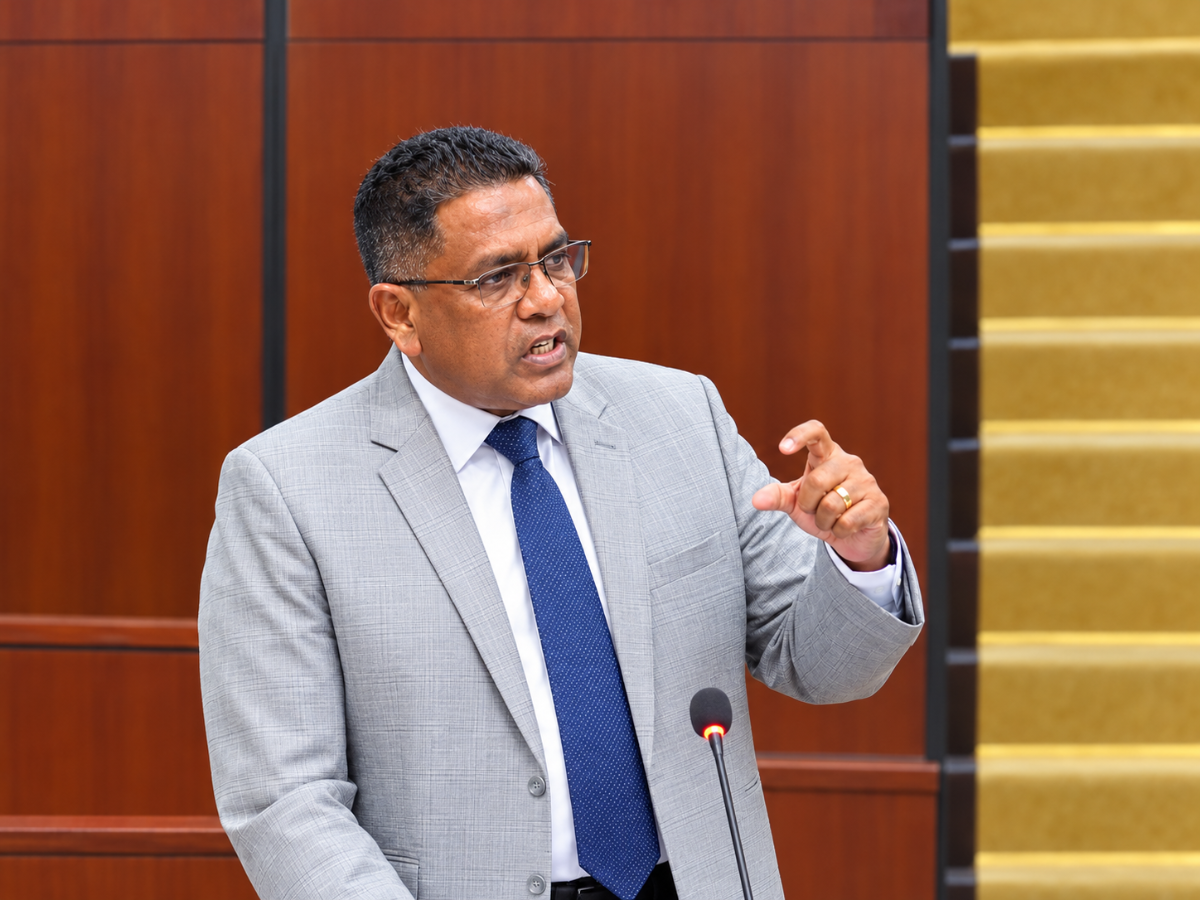
A total of 177 small businesses have obtained about GY$1.6 billion in commercial loans over the past six years through the Small Business Bureau (SBB) credit guarantee scheme, according to Susan Rodrigues, the Minister of Tourism, Industry and Commerce. More than half of the beneficiary businesses are owned by women.
Ms Rodrigues gave the figures on the Starting Point Podcast. The total works out at roughly GY$9 million for each business, well below the GY$30 million ceiling on loans covered by the scheme.
The SBB does not lend money itself. It guarantees part of the collateral that a bank would otherwise require, which lowers the risk for the lender and removes a common barrier for small firms without property to pledge. The Bureau's published guidelines set coverage at up to 40 per cent of the required collateral for first-time borrowers and up to 70 per cent for repeat borrowers. Loans are limited to GY$30 million.
Republic Bank (Guyana) Limited and the Guyana Bank for Trade and Industry Limited are the two participating lenders. They approve and disburse the loans, while the Bureau reviews the application and assesses the business.
Applicants must be registered with the SBB and must submit a tax identification number, business registration and compliance documents from the Guyana Revenue Authority and the National Insurance Scheme. An SBB site evaluation follows. The Bureau's loan guidelines also ask for a valuation of the asset offered as collateral, quotations for items to be bought with the money, and credit information. Businesses less than 12 months old must provide a business plan.
The guarantee scheme sits alongside a grant programme. An earlier SBB programme disbursed nearly GY$1 billion to about 4,000 small enterprises between 2020 and 2023, according to the Bureau's figures. The Ministry of Tourism, Industry and Commerce lists the grant range at GY$200,000 to GY$500,000 per business, which is consistent with that total and that number of recipients.
Registration with the Bureau has grown. A total of 6,511 small businesses have registered since 2020. That number counts businesses that chose to formalise their status with the SBB, and it represents a fraction of the entrepreneurial activity across the country, much of which operates informally. Against the 6,511 registrations, the 177 guaranteed loans show how few registered businesses have so far used the credit route. Grants have reached a much larger group.
The gap has several possible explanations that the figures do not settle. Some firms may not need a loan of that size, and others may not meet a bank's lending criteria even with part of the collateral covered. The Bureau has not published a count of rejected applications.
Ms Rodrigues also outlined work on market access. Since 2020 the Bureau has paid for 493 small businesses to take part in commercial exhibitions, which gives them visibility with buyers. She said that exposure of that kind produces lasting growth only when it is paired with formal training, regulatory compliance and adherence to quality standards. Those requirements apply to firms selling at home and to those preparing to export, where buyers inspect products against set specifications.
The minister's position places the guarantee scheme within a wider programme. A business that wins a loan to expand production may still fail to enter a larger market without certified quality or a compliant supply chain. The Bureau's training offer is aimed at that stage.
The women-owned share of borrowers is the most notable result in the figures released. The minister did not give the exact percentage, the average loan size to women-owned firms, or the sectors involved. A breakdown would show whether the guarantee is reaching women who run retail and service businesses, or those in manufacturing and agriculture, where capital needs are larger.
The Bureau's annual reports and the Ministry of Tourism, Industry and Commerce publish further detail on loans and grants. Those documents are the most direct way to check the 177 loans and the GY$1.6 billion against the programme's records.