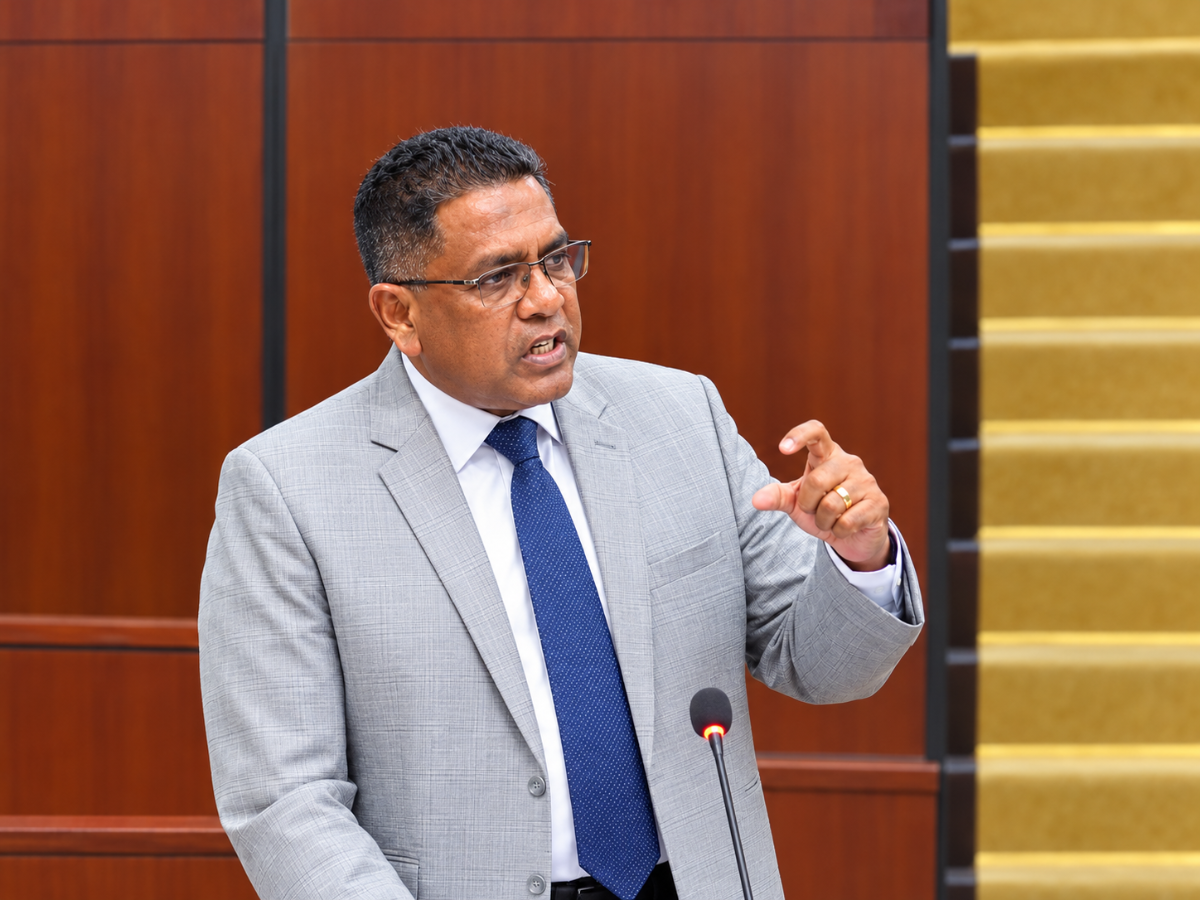
An opposition parliamentarian has called on Guyana's government to commission an independent review of the investment strategy behind the Natural Resource Fund (NRF), the sovereign wealth fund that holds the country's oil revenue. Terrence Campbell, who sits for the APNU, says the fund should be invested to produce sustained financial returns. In his view it should not operate mainly as a channel for state spending.
Campbell argues that Guyana's petroleum reserves are finite. Oil that has been extracted cannot be replaced, so the country will eventually rely on the financial assets it has built from the proceeds. A fund that is drawn on heavily for current needs, he says, leaves a thinner portfolio for later generations. His concern is that the state could exhaust its petroleum windfalls without securing lasting wealth.
He also contends that spending on schools and hospitals should not be conflated with investment of the sovereign fund. He has asked for rigorous cost-benefit analysis of spending decisions and for public benchmarking of the fund's performance.
Campbell proposes that the findings of any review, together with the fund's operational risks and performance benchmarks, be made public. Publication, he argues, would shield decisions about the fund from political expediency.
The government takes a different position. Natural Resources Minister Vickram Bharrat has set out the administration's case that petroleum revenue is needed now to modernise national infrastructure and public services. The minister frames that spending as the priority at this stage of the country's development. Ministers argue that substantial capital can be placed in foreign or long-term financial instruments only after that groundwork is laid.
Officials have pointed to Norway as a model. Its sovereign fund developed primary domestic infrastructure before turning decisively to overseas financial holdings, a sequence the government cites in support of its own approach.
The dispute follows legislative changes made in early 2024. Amendments to the NRF Act raised the limits on withdrawals, doubling the first tier of withdrawable funds from US$500 million to US$1 billion. The change widened the government's access to oil income held in the fund.
Recent fiscal figures show the scale of the sums involved. Official mid-year projections for 2026 put petroleum revenue at about US$6.5 billion, against authorised government withdrawals of about US$2.37 billion. Authorised withdrawals therefore equal roughly 36 per cent of projected revenue. The proportion of oil income that flows directly into current budget expenditure is itself disputed, and Campbell has raised it as a point of concern.
Campbell has direct experience of the fund's governance. He previously served on the NRF Investment Committee, where, he has said, withdrawal requirements limited the committee's ability to diversify the fund's investments. Diversification spreads holdings across asset classes and markets, and the pace of withdrawals determines how much capital remains available for that purpose. A fund that must release large sums regularly has less freedom to commit money to longer-term holdings.
An external assessment would examine the strategy and report its conclusions publicly, which is the transparency Campbell has sought. The administration and its critics therefore differ over sequence as well as scale: when the fund should begin to accumulate assets in earnest, and how much of each year's revenue should reach the budget.
Guyana must decide how much oil income to spend on domestic needs now and how much to retain as permanent capital. The answer will shape the quality of public services in the near term and the size of the economic buffer available to later generations.