Guyana's Ministry of Agriculture will extend an integrated rice and duck farming programme to several coastal regions after field trials at the Rice Research Station in Burma, Mahaicony, produced a net profit of G$300,000 from a single acre. Regions Two, Three, Four, Five and Six have been named as the target areas for the rollout.
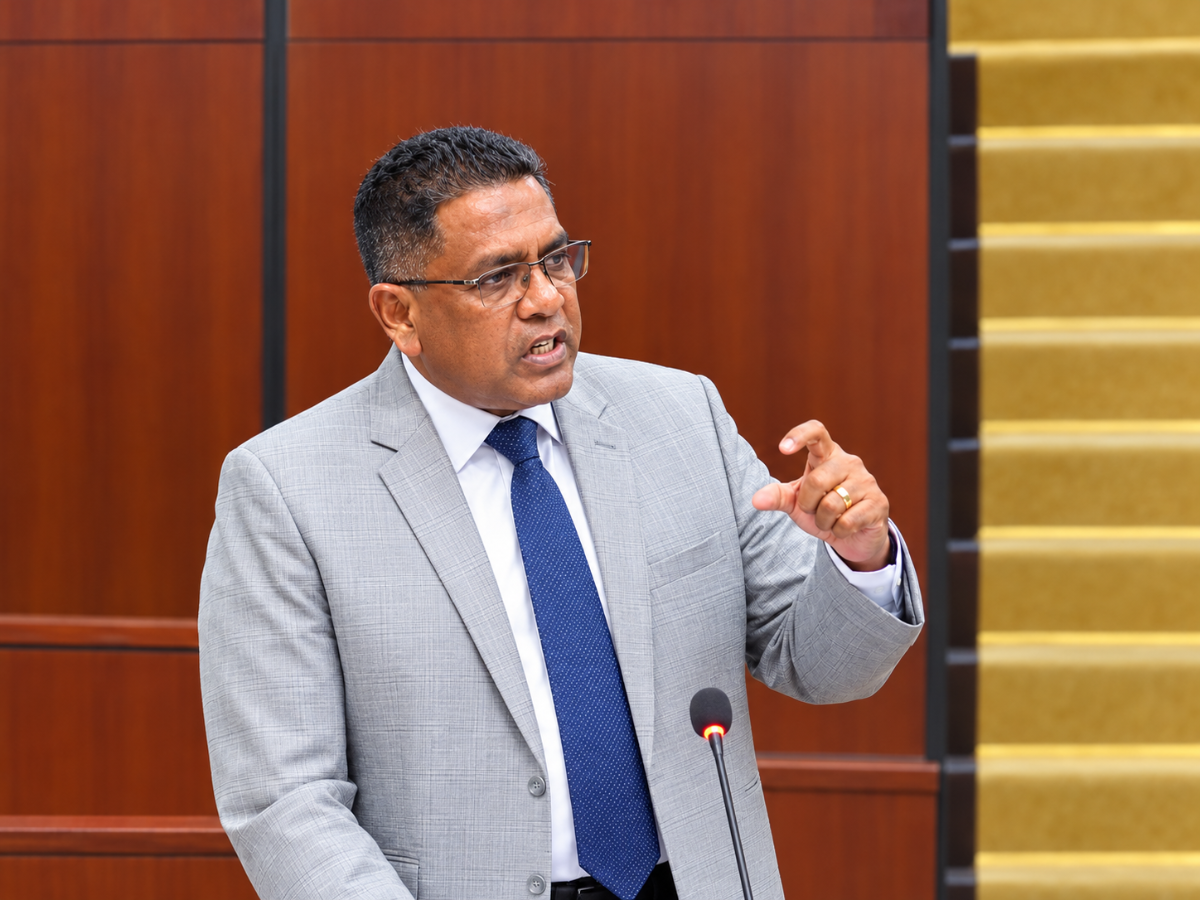
Agriculture Minister Zulfikar Mustapha has promised technical assistance to farmers who adopt the method. The Guyana Rice Development Board and the Guyana Livestock Development Authority are to coordinate their work, and support is expected from Canada and the United Nations Food and Agriculture Organisation (FAO).
The trial began with 200 ducks, of which 190 were taken to market. They averaged 6.5 lbs each and sold at G600apound,bringinginG741,000. The same acre also yielded 28 bags of paddy, sold as seed at G5,000abag,whichaddedG140,000. Gross revenue came to G881,000.TotalexpenditurewasG581,000, covering the establishment of the rice crop, construction of shelters, boundary fencing, ducklings and feed. The difference of G$300,000 is the net surplus. For farmers exposed to swings in the price of paddy, a second income stream from the same land offers a different risk profile from rice alone.
The method depends on the ducks working in the paddy. They forage for aquatic weeds and insect pests, which sharply reduces the need for chemical herbicides and pesticides. Their manure supplies nutrients to the soil, and their movement through the field aerates both the water and the soil bed. Each of these effects replaces something a farmer would otherwise buy or do by hand.
Labour is the main obstacle. Dr Ghansham Payman, an agronomist involved in the work, said the manual effort needed to transplant rice is the principal bottleneck. He argued that mechanisation will be essential if the system is to be adopted widely, since a technique that suits one acre under research supervision may prove hard to repeat across many holdings without machinery.
The programme has already moved beyond the research station. It started with a pilot of six farmers and now includes 14 active producers, five of them women. Participants have received starter kits and equipment to establish their own units.
One of them, Dianne Hinds, has reported results from her own plot. She harvested 24.5 bags of paddy and made commercial sales of ducks in the same season. Her spending on agrochemicals fell because the ducks handled much of the weed and pest control. Ms Hinds also sees openings beyond the first harvest, among them poultry breeding and the planting of additional cash crops alongside the rice.
The figures come from a single acre and a flock of 200 birds, which is a small base on which to plan a national programme. The result will be tested as the 14 farmers report their own returns across different regions, soil types and market conditions. If those returns come close to the research station's, the ministry will have a stronger case for the subsidies and equipment that wider adoption is likely to require.