Guyana-based telecommunications provider ENet has formed a joint venture with technology firm TechPro to distribute EcoFlow solar generation and energy storage systems across the country. The initiative aims to install 50 megawatts of distributed solar capacity in more than 10,000 private households nationwide.
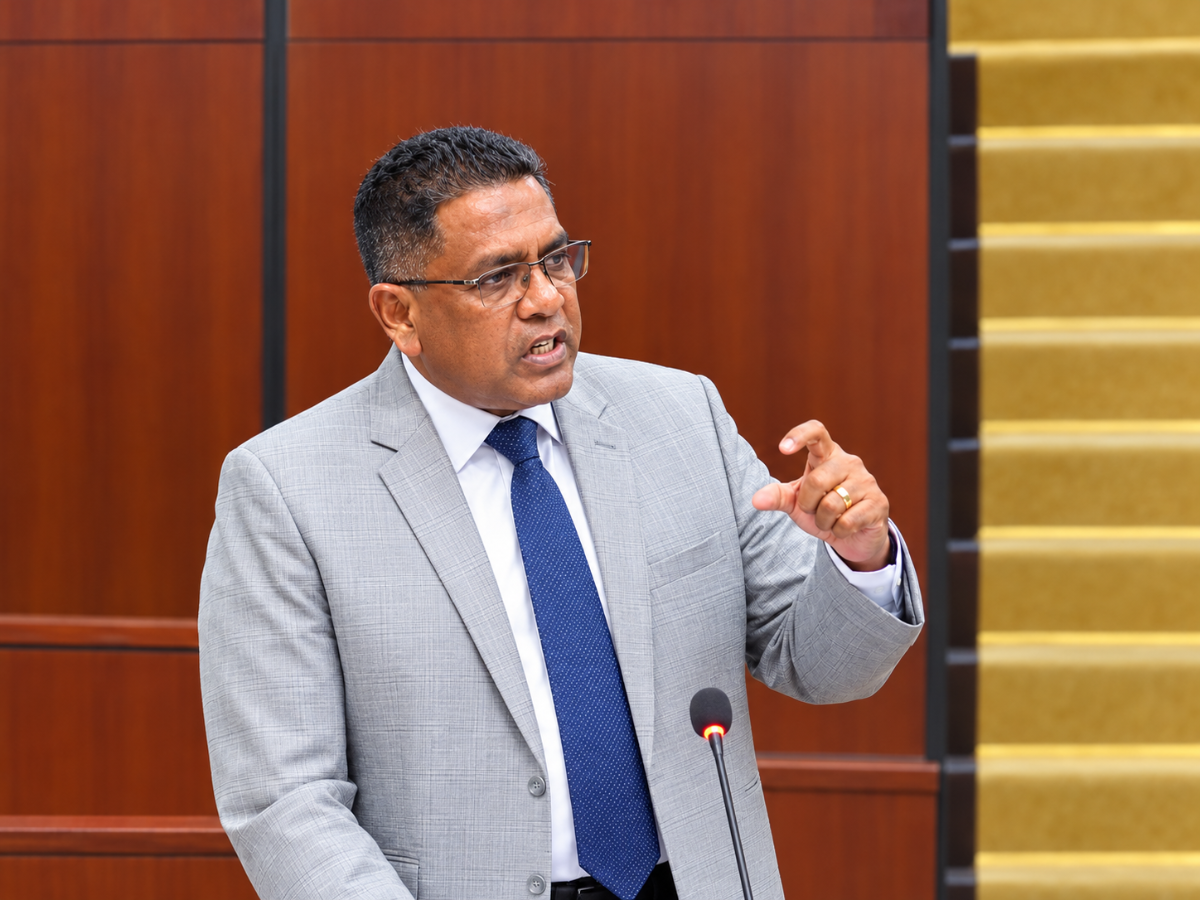
ENet Chief Executive Vishok Persaud formally unveiled the programme at the Giftland Mall complex in Georgetown. The launch drew representatives from the commercial banking sector, as well as technology and energy officials.
Chief executives and senior representatives from Guyana's primary commercial banks attended the event and confirmed commitments to provide consumer credit for the systems. The arrangement places the cost of a full installation within reach of households that would otherwise struggle to find the capital. Packaged systems, which combine photovoltaic generation with battery storage, will be available through mortgage-linked financing schemes starting at approximately G$22,500 per month. Approval remains subject to standard lending criteria, and the final repayment figure will depend on the size of the system and the borrower's circumstances.
The financing model addresses the upfront cost that has long limited private uptake of renewable microgeneration in Guyana. Solar equipment is typically paid for in full at the point of installation, which puts it beyond the budgets of many families. Spreading the expense across a mortgage-length term converts a large single outlay into a monthly commitment comparable to a utility bill.
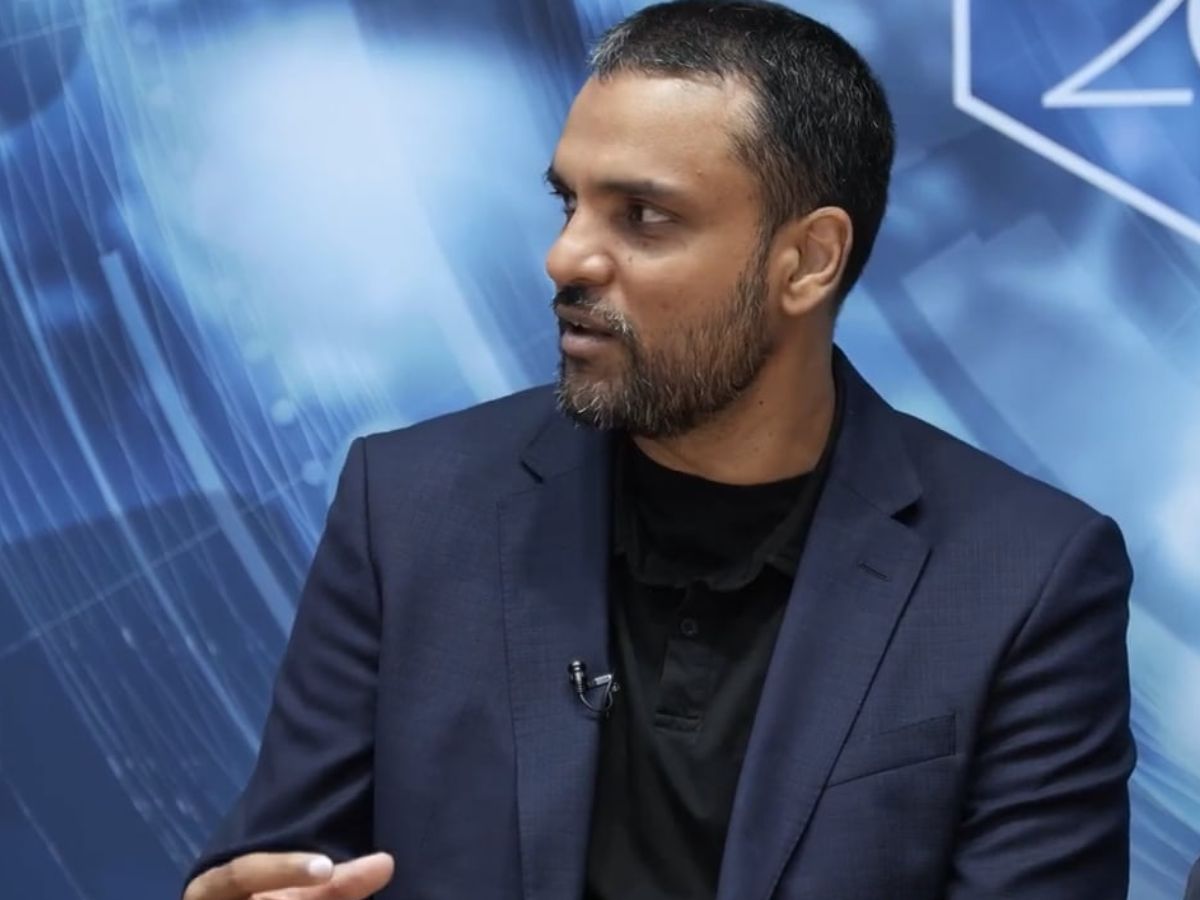
TechPro Chief Executive Devon Agard outlined the capabilities of the hardware. The EcoFlow OCEAN Pro units accept up to 40 kilowatts of solar input and can be paired with expandable battery storage reaching 80 kilowatt-hours. That capacity is considerably larger than most domestic installations and suggests the systems are intended for larger homes and small commercial premises as well as modest households.
The systems are designed to supply uninterruptible power when the local grid fails. Outages remain a recurring concern for residents served by the state utility, Guyana Power and Light (GPL), and stored energy would allow essential appliances to keep running. Households that generate and store their own electricity should also draw less from GPL, which would reduce monthly bills. The extent of that saving will vary with consumption patterns and system size.
ENet also introduced an automated digital configuration tool to help customers choose equipment. The tool reviews a household's electricity consumption history, calculates the hardware needed to meet that demand and produces a provisional quotation. Those quotations are linked to the bank financing models, so a buyer can see an estimated monthly repayment before committing to a purchase.
Dr Mahender Sharma, Chief Executive of the Guyana Energy Agency, said the initiative aligns with the government's Low Carbon Development Strategy 2030. The strategy sets national targets for cutting emissions and expanding renewable generation, and Dr Sharma indicated that private-sector projects of this kind contribute directly to those aims.
The programme marks a notable move by domestic commercial companies into the energy transition. Until now, large-scale renewable development in Guyana has largely been led by the state and by international partners. A telecommunications company, a technology distributor and a group of lenders have now combined to sell generation capacity directly to consumers. The approach also responds to rising national demand for electricity, which has grown alongside the country's economic expansion.
Delivery will depend on several factors. Installing 50 megawatts across 10,000 homes requires trained technicians, a dependable supply chain for imported equipment and consistent lending. Neither ENet nor TechPro has published a timetable for reaching the full target. The companies have said that customers can begin using the online tool and applying for financing through the participating banks.