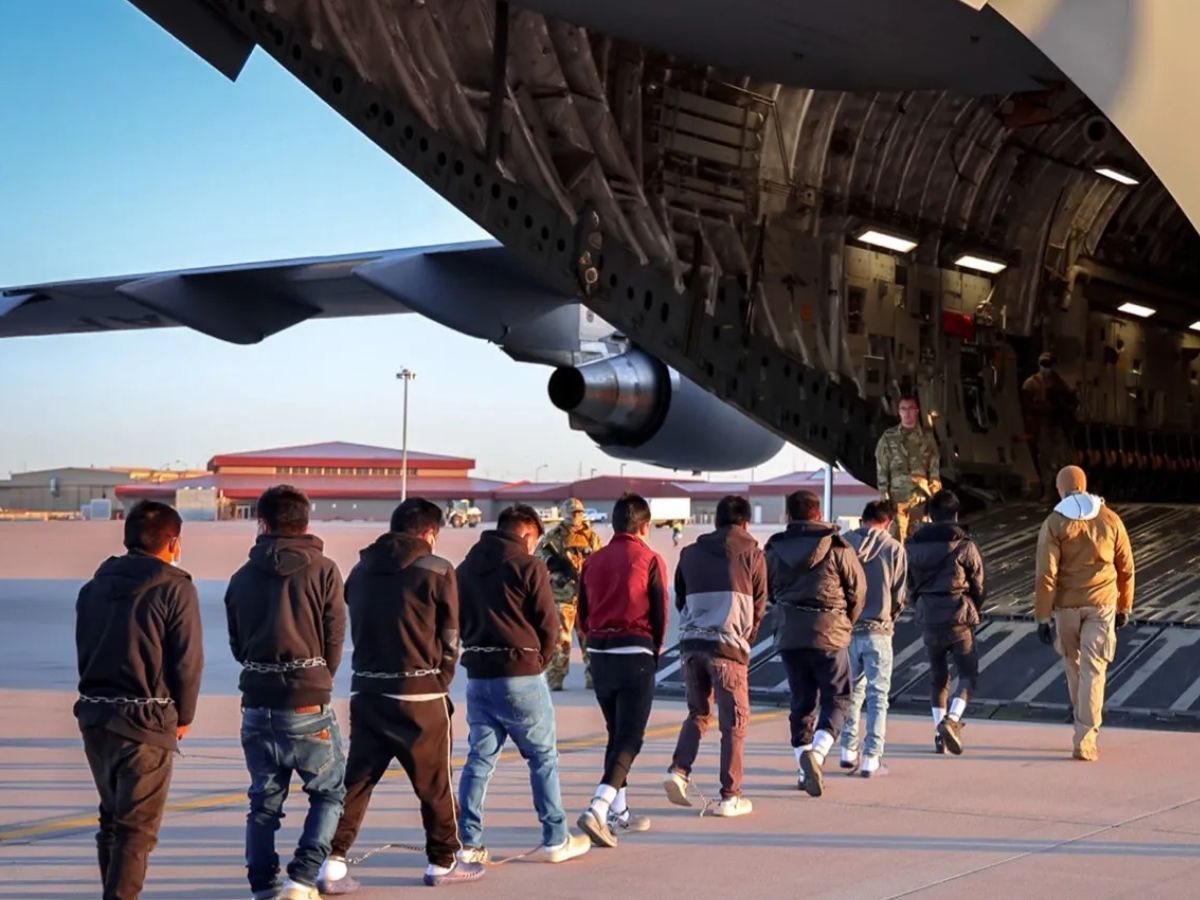
Five Colombian nationals deported from the United States to Dominica under a newly implemented bilateral agreement have already left the Caribbean nation and returned to Colombia. The Dominica government confirmed the development on Wednesday, marking the first group processed under the third-country nationals programme agreed between Roseau and Washington.
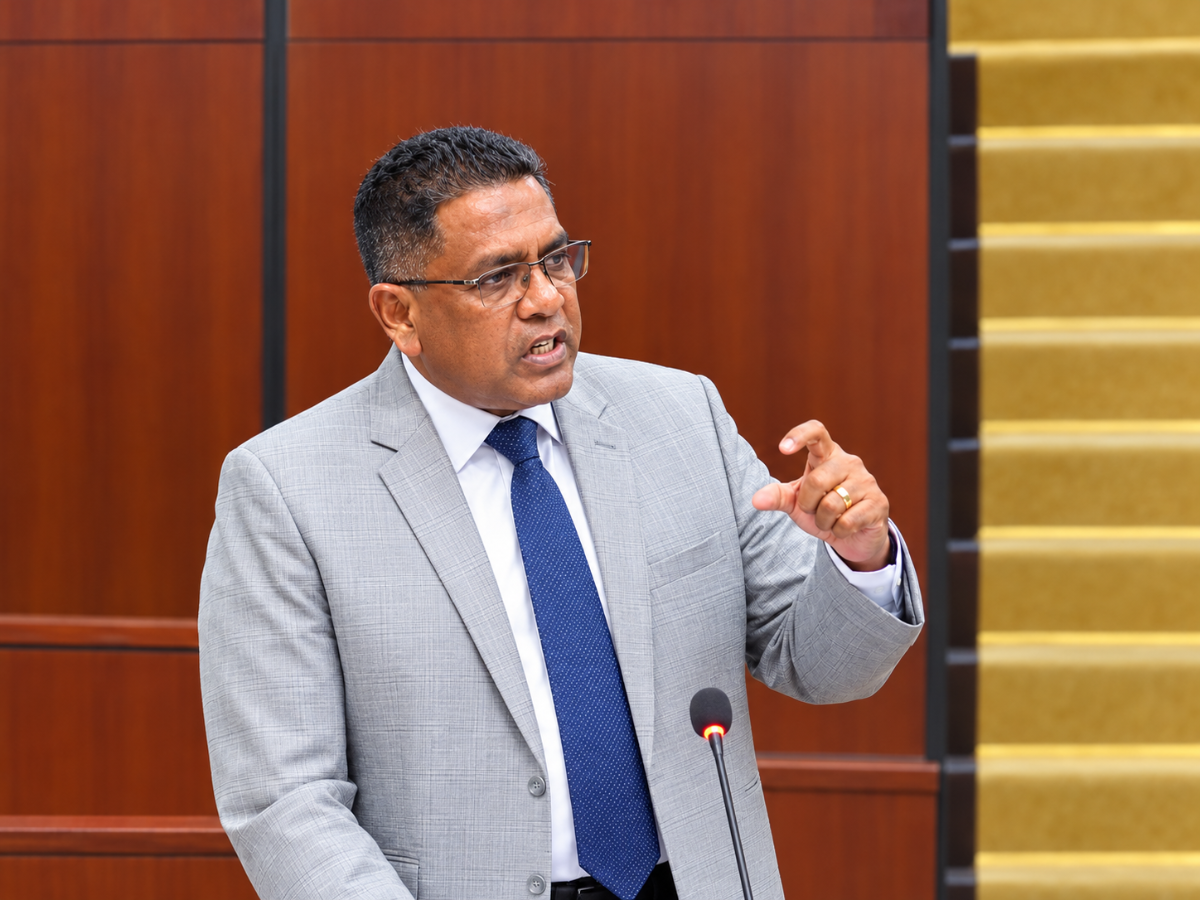
Prime Minister Roosevelt Skerrit told reporters that all arrangements between the two governments concerning the programme had been concluded. He said the five Colombians arrived in Dominica and departed again within a short period. There are currently no third-country nationals remaining on the island.
The selection process was not straightforward. Skerrit said the United States initially submitted a list of names for consideration, which Dominica declined to accept. Officials in Roseau said they required further background information before agreeing to receive anyone. Washington subsequently sent a second list, from which Dominican authorities chose the five individuals who were eventually transferred. Skerrit described the standard practice as one in which the US provides a list and Dominica selects from it, rather than having deportees assigned without input.
The International Organization for Migration was engaged to manage logistics once the group arrived. According to Skerrit, the US government funded the entire stay, covering hotel accommodation, meals and other daily expenses. The migrants were housed together and permitted to move around the island, including visits to local shops, during the brief period before their departure.
Shortly after arrival, the group was offered the choice of returning to Colombia. All five accepted, and tickets were arranged for their onward travel. Skerrit said the process moved quickly once that decision had been made, with the group leaving Dominica soon after.
The Prime Minister emphasised that none of the five had any criminal record and that they caused no disturbances during their time on the island. He characterised them as economic migrants seeking better opportunities rather than individuals posing any security concern. One of the five was believed to be a minor, though further details on that individual were not disclosed.
Skerrit framed Dominica's participation in the scheme in broader terms than a simple accommodation to Washington. He said the country views the matter through what he called a higher philosophical view of humanity, arguing that many Dominicans themselves live and work abroad and that reciprocal obligations exist between nations on questions of movement and survival. He described the arrangement as reflecting a duty to humanity rather than a narrow bilateral transaction.
Under the terms of the agreement, Dominica has committed to accepting between five and seven third-country nationals each quarter, with the precise number to be confirmed ahead of each transfer. Skerrit indicated that future arrivals will be subject to the same vetting procedures applied to this first group, including the right to reject proposed names and request additional background checks before any transfer proceeds.
The Dominica arrangement forms part of a wider pattern across the Caribbean, where the Trump administration has sought to expand third-country transfer agreements to manage pressure on the US immigration system. Similar memoranda have been signed with Antigua and Barbuda, St Kitts and Nevis, St Lucia, Guyana, Belize and the Dominican Republic, among others, according to organisations tracking the agreements. St Kitts and Nevis received its first group of transferees, three CARICOM nationals from Jamaica and Belize, in May. Antigua and Barbuda has agreed to accept up to ten noncriminal refugees annually.
Terms and implementation have varied significantly between countries, and several governments have faced domestic criticism over the lack of transparency surrounding negotiations. In Dominica's case, opposition figures have previously questioned how the island, still recovering from the effects of Hurricane Maria, would manage the practical demands of hosting transferred migrants. The government has maintained that the funding and logistical arrangements provided by Washington, together with strict quarterly caps, ensure the scheme remains manageable.
For now, Dominica's first experience with the programme has concluded without incident, with the island holding no third-country nationals as it awaits the next list of proposed transfers from Washington.