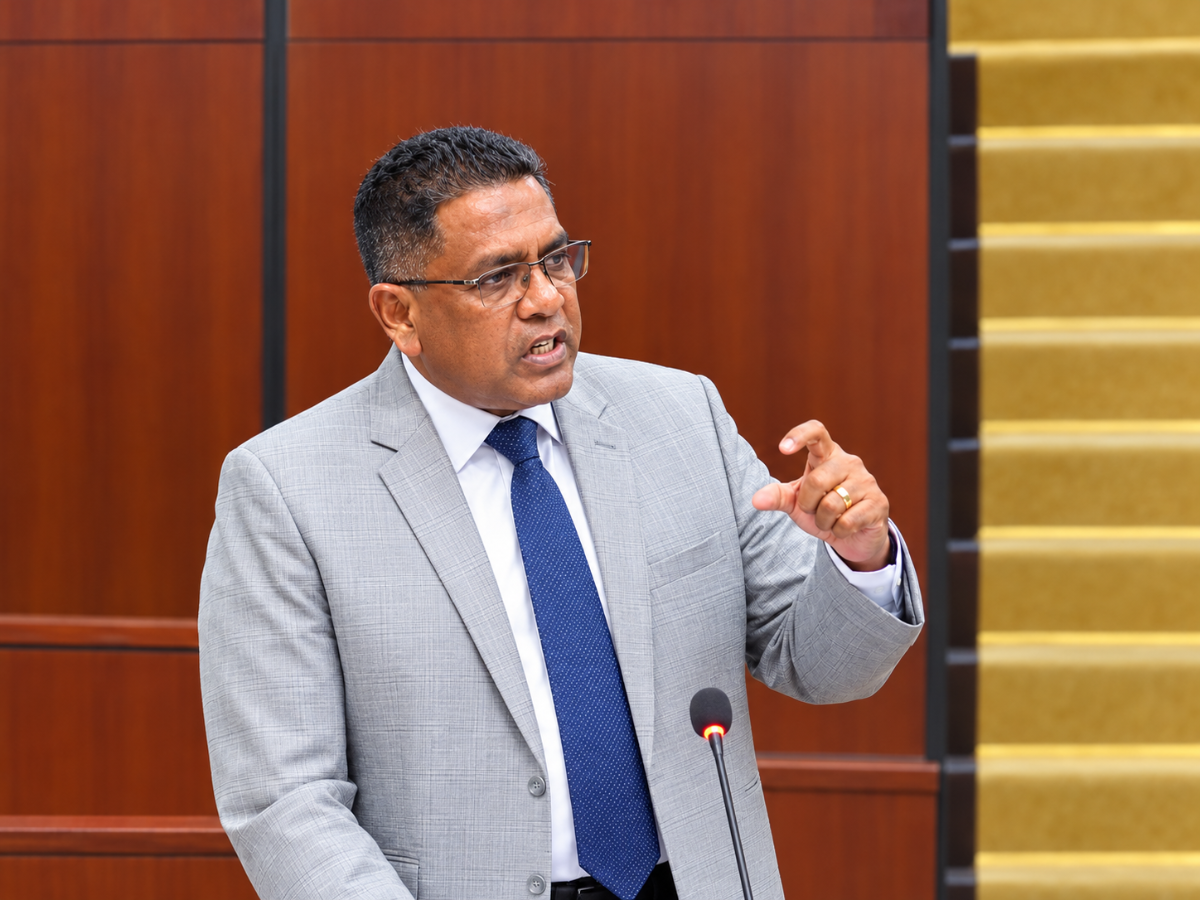
More than 2,000 young people across Guyana's Indigenous communities are taking part in a state-backed skills programme that is reshaping employment prospects in rural and riverain areas. The Community Service Officer programme, supported through the Amerindian Development Fund, has moved beyond simply offering jobs to providing structured training intended to improve long-term career prospects for participants. Minister of Amerindian Affairs Sarah Brown-Shadeek outlined the scheme's progress in a recent broadcast appearance, describing an initiative that now touches communities across all ten of the country's administrative regions.
The financial backing behind the programme has grown substantially in the past year. Brown-Shadeek confirmed that the stipend paid to Community Service Officers has been raised to $50,000 this year, continuing a series of increases from the $30,000 baseline that had been in place for several years. Parliament has separately approved a $5 billion allocation under the Amerindian Development Fund, part of which was earmarked specifically for the stipend rise, alongside training and legislative work on the Amerindian Act.
The training itself covers a wide spread of trades. Participants are taught small-engine repairs, shade-house management, sewing, garment construction and cosmetology, among other areas. The mix reflects the practical demands of hinterland life, where transport depends on maintained engines, where agricultural production increasingly relies on controlled growing environments, and where garment and beauty services fill gaps in local commerce that would otherwise require travel to coastal towns.
What happens after training is where the programme's stated purpose becomes clearer. Brown-Shadeek said the outcomes demonstrate the wider benefits of the scheme, in particular its capacity to equip young Indigenous people with skills that outlast their period of service as Community Service Officers. Some graduates have gone on to work in healthcare, education and other public sector functions, filling roles that hinterland communities have historically struggled to staff. Others have taken a different route, using their training to set up independent trades, from repair services to tailoring, within their own villages.
The programme does not operate in isolation. It sits within the broader Amerindian Development Fund, which finances projects according to needs identified by individual communities rather than a fixed national template. Brown-Shadeek noted that the fund supports village-level ventures including transportation services and guest houses, alongside other income-generating activities aimed at strengthening local economies. Decisions on how funds are spent are typically made by village councils. Presidential Grants are being disbursed to 254 villages for projects such as poultry farming, sustainable agriculture and tourism, with the government stating that villages themselves decide, at their general meetings, how the money is used.
The government has been at pains to frame the programme as a bridge rather than an endpoint. Temporary stipended work is not intended to be the final destination for participants. Brown-Shadeek encouraged young people to pursue emerging financing opportunities, including access to the Guyana Development Bank, an institution created under recently passed legislation and expected to widen access to credit for entrepreneurs who lack the collateral usually required by commercial banks. Separately, small business support has expanded through interest-free, collateral-free loans of up to $3 million offered through community business clinics run by the Ministry of Tourism, Industry and Commerce, a scheme that has now reached more than 700 businesses nationally.
The scale of investment in the Community Service Officer programme has grown steadily since its 2015 launch. Government spending on the initiative exceeded $1.3 billion in a single year according to previous ministerial disclosures, and participant numbers have climbed from around 2,000 to more than 2,500 in recent years. Whether the current wave of graduates can translate stipended training into durable livelihoods, particularly through access to formal credit, will determine whether the programme's stated ambitions extend beyond the training period itself.