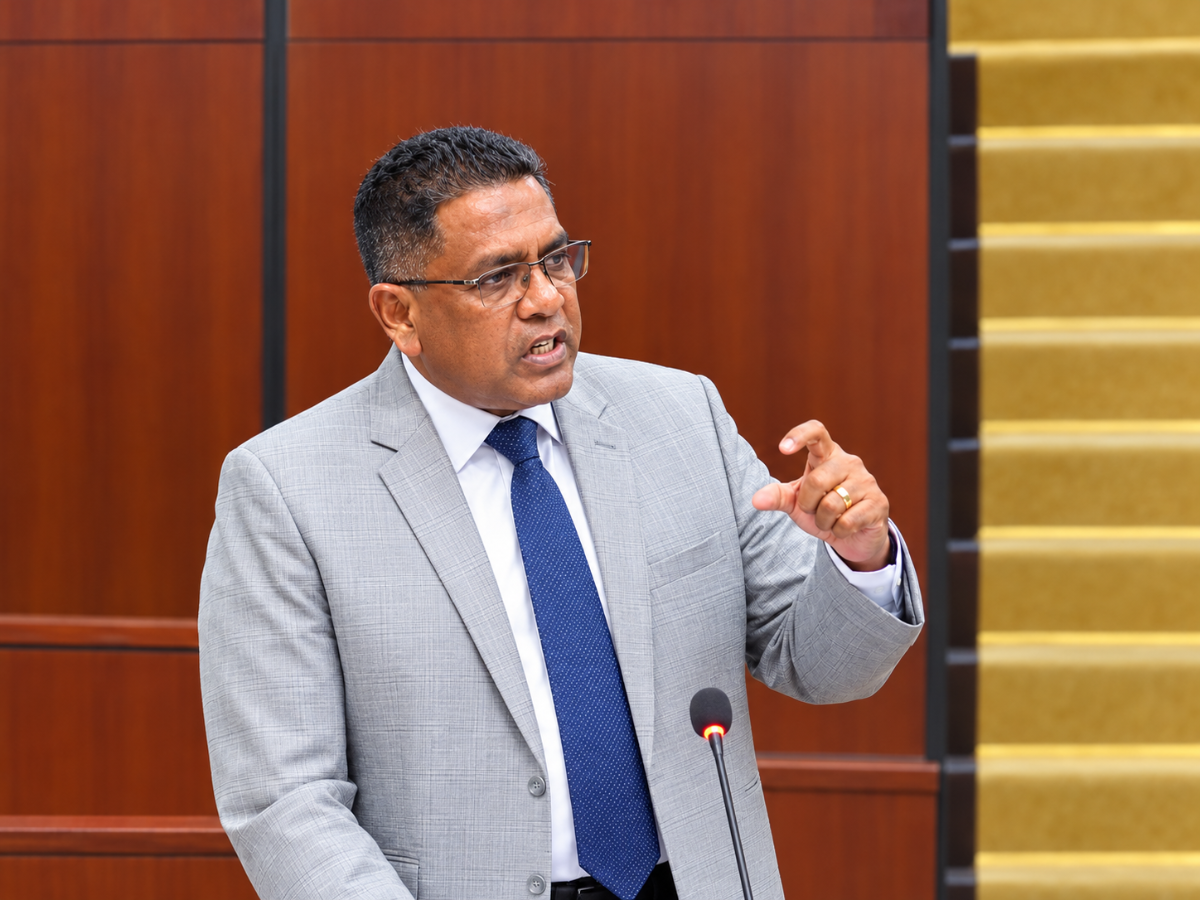
Public spending across Region Six is reshaping daily life along the Corentyne coast, with new infrastructure, employment schemes and recreational facilities forming part of a wider government push to stimulate growth in the area. Local officials say the changes are already visible, from new part-time work programmes to sea defence construction and stadium development.
Residents and regional representatives describe a shift in the pace of public works compared with previous years. Officials point to increased funding allocations reaching households directly through part-time government employment schemes, which they say have become more widespread than under earlier administrations. These positions, largely administrative and maintenance-based, are intended to supplement household incomes in communities where formal full-time employment remains limited.
Local government figures have framed the schemes as a direct form of financial support for families, rather than a standalone jobs programme. The distinction matters in a region where seasonal agricultural work and public sector employment have long formed the backbone of household income. Officials say the expanded schemes reach a broader cross-section of residents than previous initiatives, though independent verification of participation numbers has not been made available.
Alongside employment measures, coastal protection has emerged as one of the most significant areas of expenditure. Multi-billion-dollar sea defence works are under construction between Village 58 and the 65 Koker, involving the placement of rip-rap, large interlocking stone structures designed to absorb wave energy and reduce erosion along the shoreline. The Corentyne coast has faced recurring tidal flooding in past decades, with low-lying agricultural land particularly vulnerable during periods of high tide and heavy rainfall.
Engineers involved in similar coastal projects elsewhere in Guyana have noted that rip-rap construction requires substantial quantities of imported stone and sustained maintenance to remain effective against erosion over time. The scale of the current works suggests a long-term commitment to shoring up vulnerable stretches of coastline, though completion timelines for the full stretch of construction have not been publicly detailed.
Beyond employment and coastal defence, the region is seeing investment in leisure and sports infrastructure intended to support longer-term development goals. A new stadium is under construction in Palmyra, representing one of the larger single investments in the region's recreational infrastructure in recent years. The project sits alongside a wider programme of upgrades to smaller community grounds across Region Six, led by the national sports ministry.
Officials describe the sports investment as part of an effort to position the region as a venue for regional and eventually international sporting fixtures, with the potential to draw visitors and generate secondary economic activity through hospitality and transport. Whether this ambition translates into sustained tourism growth will depend heavily on complementary infrastructure, including road access and accommodation capacity, both of which remain limited in parts of the region.
The stadium and ground upgrades form part of a broader pattern of public expenditure that extends well beyond sport. Road expansion projects are under way in several parts of the region, alongside drainage system improvements intended to reduce flooding in residential areas during the rainy season. Housing schemes and agricultural infrastructure projects, including irrigation and access road improvements for farming communities, have also received funding as part of the same push.
Taken together, the range of projects reflects an attempt to address several interlinked challenges facing the region simultaneously: household income pressures, coastal vulnerability and underdeveloped recreational infrastructure. Officials argue that the combined effect of these investments will be felt over years rather than months, as construction projects reach completion and employment schemes bed in.
For residents along the Corentyne coast, the more immediate test will be whether the pace of construction and hiring holds steady through the remainder of the current fiscal cycle, and whether the sea defence works withstand the region's next period of high tides.