Guyana, a country of about 850,000 people that once relied on sugar, timber and gold, now has an income per person higher than that of the United States on certain purchasing-power measures. The comparison draws on figures from Our World in Data, which uses World Bank estimates, and from the International Monetary Fund (IMF). The change follows the growth of an offshore oil industry that began producing in December 2019.
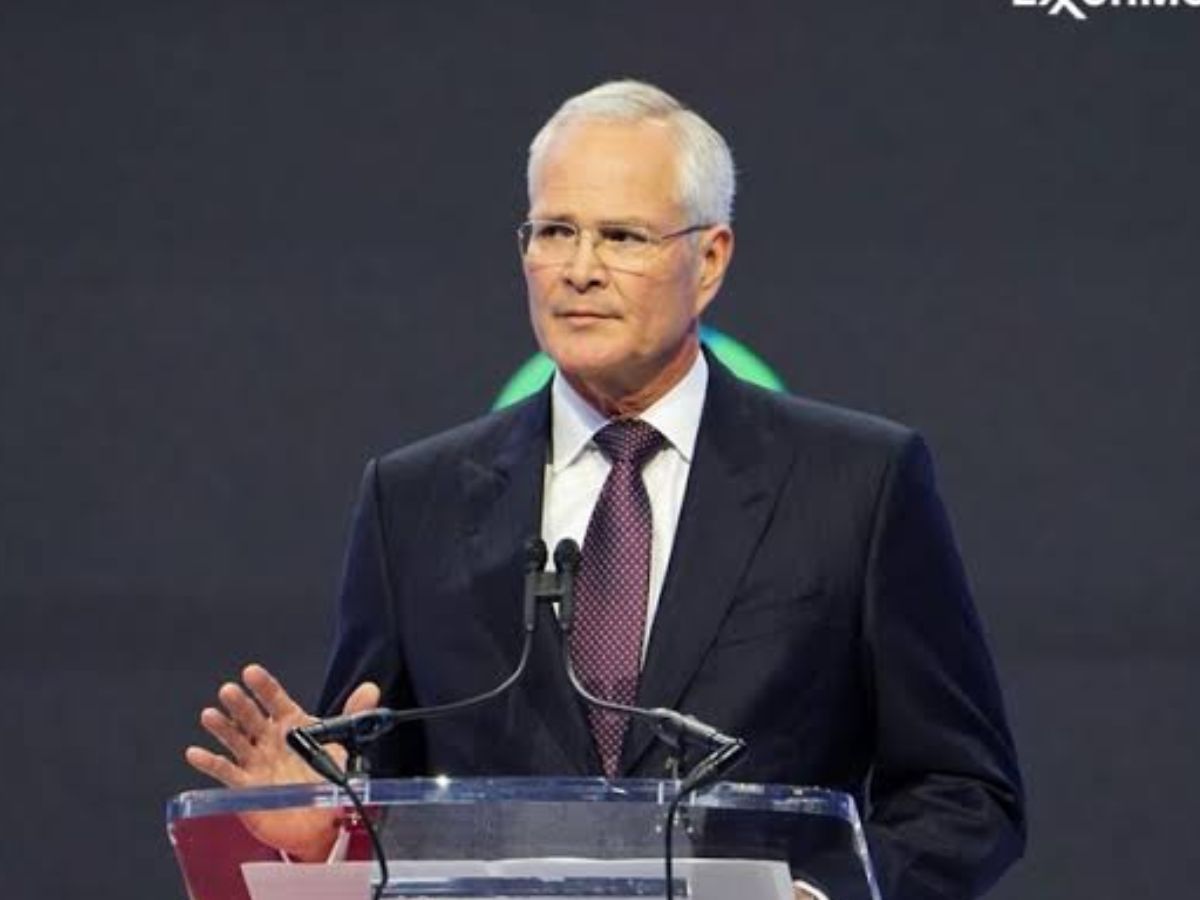
The industry traces back to 20 May 2015, when an ExxonMobil affiliate announced that the Liza-1 well in the Stabroek Block, about 120 miles offshore, had found more than 295 feet of oil-bearing sandstone. Commercial production from the Liza Phase 1 development began on 20 December 2019. ExxonMobil says this came in under five years from discovery, against a deepwater industry average of nine. Chief executive Darren Woods called it a historic milestone.
ExxonMobil operates the block with a 45% interest. Hess Guyana, now part of Chevron, holds 30% and CNOOC Petroleum Guyana holds 25%. Four floating production vessels operate there, and output reached about 918,000 barrels a day by February 2026. ExxonMobil puts the block's recoverable resources at about 11 billion oil-equivalent barrels.
The growth figures are large. The World Bank reports average real GDP growth of 47.6% a year over the three calendar years after production began, a figure that should be checked against its original release. Finance Minister Ashni Singh said the economy grew 19.3% in 2025, with the non-oil economy up 14.3%. The 2026 budget projects growth of 16.2%, which is a forecast. The IMF estimates nominal GDP at about $5 billion in 2018 and $33.96 billion in 2026.
Per-capita income is measured in two ways. In constant 2021 international dollars, Guyana's GDP per person has risen from about $13,000 in 2019 to above $80,000. That puts it behind only Switzerland and Norway on that measure. On the IMF's current international dollar measure, it reached $95,477 in 2026, ranking tenth. Purchasing-power parity adjusts incomes for differences in local prices, and the two sets of figures use different bases, so they are not directly comparable.
A conflict involving the United States, Israel and Iran from late February 2026 disrupted oil supplies. Reuters reported that roughly one-fifth of global oil trade passes through the Strait of Hormuz, and buyers looked for crude from elsewhere. Prices rose by about 30%. The government now projects $6.5 billion in oil income for 2026, more than double its earlier estimate. The US Energy Information Administration says the United States imported an average of 261,000 barrels a day from Guyana in April 2026, nearly seven times the volume four years earlier.
Oil revenue goes into the Natural Resource Fund, held at the Federal Reserve Bank of New York. It was worth about $3.6 billion in September 2025, or about 12% of GDP. The 2025 budget authorised a withdrawal of $2.46 billion, the largest since the fund was created, for healthcare, education, infrastructure and agriculture. Oil revenue paid for 37% of the 2025 budget. Construction grew by an estimated 25.4%.
The picture has limits. Guyana exports crude but has little domestic refining capacity, so it pays elevated prices for imported petrol and diesel. President Irfaan Ali has acknowledged that higher import costs absorb part of the gain for consumers. Skills shortages and rising living costs affect both government services and private business. In a small population, a large investment produces high per-person figures on paper, and these do not show how income is distributed. Poverty persists in rural areas and along the coast.
Officials have named Norway as the model, where a sovereign fund and fiscal discipline turned energy income into lasting prosperity. Venezuela, next door, is the example of a producer whose institutions failed under the pressure of oil dependence. Which path Guyana follows will depend on how it spends its revenue and how well its institutions hold.