The government has launched a new initiative aimed at giving young people a direct role in shaping social policy, with the first event held in Region Three at the Guyana-China Friendship Park in Essequibo Islands-West Demerara.
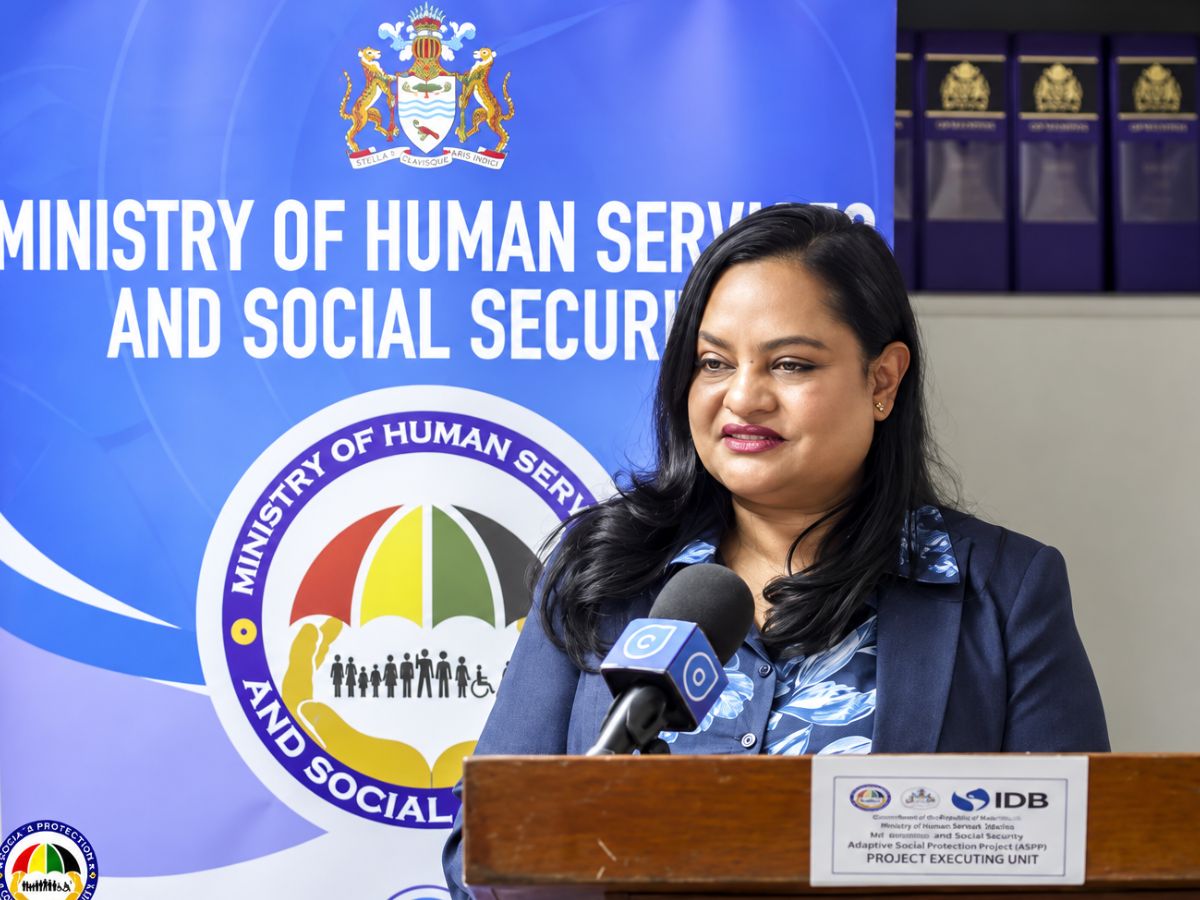
The programme, named the Catalyst Collective, was introduced by the Minister of Human Services and Social Security. Officials said the initiative marks a shift away from treating young people as passive recipients of government programmes, positioning them instead as contributors to the policies that affect them.
Participants at the inaugural event raised a range of concerns during structured discussions. Mental health featured prominently, alongside bullying in schools, child protection and the rise of vaping among teenagers. Organisers said the session was designed to let young people speak candidly about pressures they face day to day, rather than respond to a fixed agenda set in advance.
The format combined policy dialogue with more informal activities. Alongside discussion groups, participants took part in a scavenger hunt and other team-building exercises intended to build confidence and encourage open communication. Officials said this mix of structured conversation and shared activity was deliberate, on the basis that young people are more forthcoming when the setting does not feel like a formal consultation.
Mentorship also formed part of the day. Adult facilitators worked alongside smaller groups of participants, guiding conversations on sensitive topics while allowing young people to lead on identifying which issues mattered most to them locally.
The Catalyst Collective is intended to work alongside existing community infrastructure rather than replace it. Officials pointed specifically to the VIBE youth hubs, which already offer counselling services, homework support and recreational facilities in several communities. The new initiative is meant to feed directly into how these hubs and related programmes are shaped going forward, using feedback gathered from young participants to adjust what services are offered and how they are delivered.
Government representatives said the Region Three event was a pilot, with plans to extend the programme to other regions in stages. No fixed timetable for national rollout has yet been published, though officials indicated that lessons from the first event would inform how future sessions are structured.
Measuring the success of the initiative presents a challenge that officials acknowledged directly. Behavioural change among participants and increased uptake of leadership roles within communities were cited as possible long-term indicators, though neither figure has been formally defined yet with specific targets or timeframes. The absence of firm metrics at this stage suggests the programme remains in an early, exploratory phase despite the scale of ambition behind it.
Bullying and vaping among school-age children have drawn increasing attention from policymakers in recent years, and the inclusion of both topics in the Catalyst Collective's opening session reflects concerns raised in schools and community settings more broadly. Mental health, too, has become a recurring theme in youth-focused government programming, with the Catalyst Collective representing the latest attempt to address it through direct engagement rather than top-down messaging.
Whether the initiative achieves lasting influence over policy will depend on how consistently youth input is incorporated into decisions made after these sessions conclude. Consultation exercises of this kind can struggle to demonstrate concrete follow-through, and the government has yet to detail how specific recommendations from Region Three participants will be tracked or acted upon.
For now, the Catalyst Collective stands as an early test of whether structured youth engagement can translate into policy change on the ground. Its expansion to further regions, and the detail of how outcomes will be measured, will determine whether the initiative moves beyond its pilot stage into a sustained feature of national social policy.