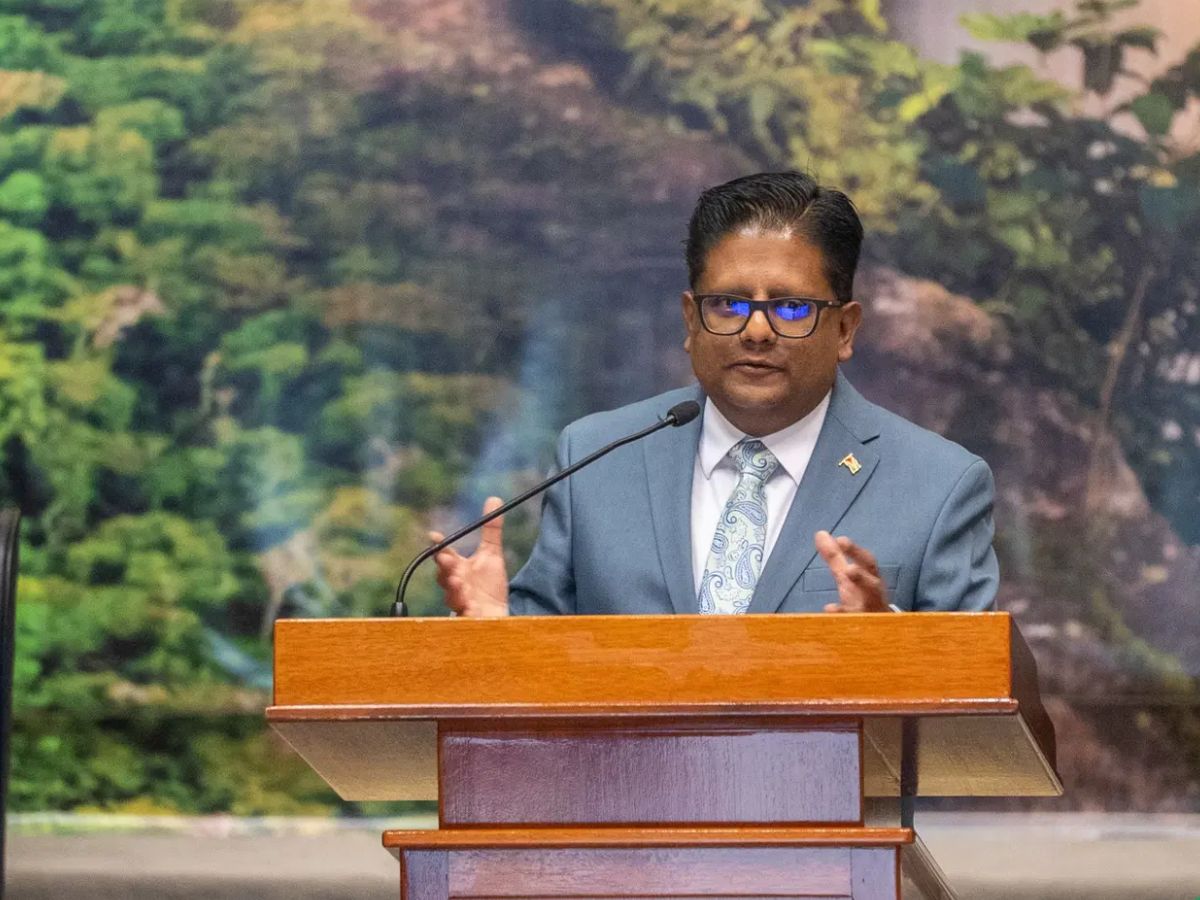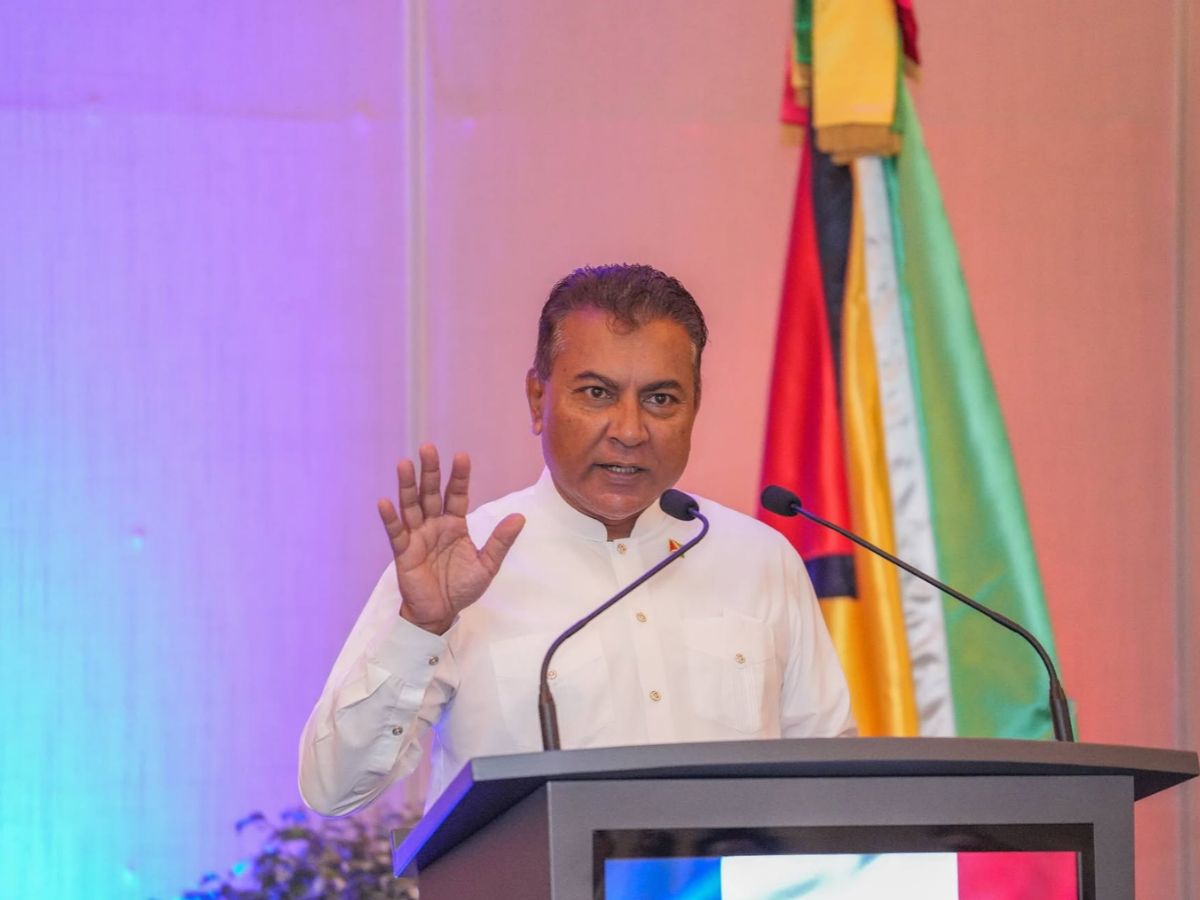
Shawn Gurcharran, Chief Executive of the Guyana Bank for Trade and Industry (GBTI), told delegates at the Global Biodiversity Alliance conference in Georgetown that lending to conservation-aligned businesses is an economically viable and strategic venture for private capital. He dismissed the view that such finance belongs under corporate philanthropy and said commercial lenders can earn sound returns from it.
Mr Gurcharran said the protection of indigenous ecosystems underpins the financial performance of credit portfolios exposed to agriculture and fisheries, as well as to regional hospitality. A degraded environment, he argued, weakens the borrowers that rely on it. Banks that fold environmental evaluation into mainstream credit decisions therefore protect the quality of their own loan books.
He named the commercial segments he regards as prime candidates for lending: community-driven tourism, certified sustainable fisheries, sustainable agriculture and agro-processing facilities. Each, he said, can generate steady revenue when its natural base remains intact.
The practical model he cited is Rupununi Ventures, a joint initiative involving GBTI, the Guyanese government and Conservation International. The framework allows Indigenous groups to commercialise customary land-management practices. The activity produces domestic revenue, and the ecological assets on which it depends are left undamaged.
Mr Gurcharran said the arrangement places clear duties on the lender. Banks must carry out due diligence on the environmental footprint of each borrower and monitor performance after funds are released. Early-stage nature enterprises, he added, also need the structural discipline that a commercial bank can supply, since many begin with limited financial management experience.
He acknowledged that standard commercial lending cannot carry every project alone. Capital-intensive transitions carry risks that ordinary credit terms do not accommodate, and he appealed for international concessional funding and philanthropic grants to co-finance them. Blended capital of that kind, he said, lowers the exposure of early-stage ventures enough for banks to participate.
The remarks followed a call by President Irfaan Ali for environmental credit mechanisms. Mr Gurcharran responded by arguing that tax relief and financial incentives should reach beyond corporate bodies and extend to individual households. Reform at that level, he suggested, would widen participation in nature-positive activity and spread its financial benefits across the population.
He also addressed the position of Guyana as an emerging petrostate. Oil revenue has transformed the national outlook, but it exposes the economy to swings in global energy prices. Mr Gurcharran said biodiversity safeguards can cushion the wider domestic economy against those fluctuations by sustaining sectors whose income does not move with the oil market. Lenders who build conservation into their credit operations, he said, help the country develop that second base of income.
His case rests on a substantial national asset. Guyana has kept roughly 85 per cent of its native tree cover intact, a record that sets it apart among tropical forest countries. The government has already placed a financial value on that standing forest through the sale of sovereign carbon credits, which bring international payments into the economy.
Philanthropic money is also arriving. An international philanthropic consortium recently committed $12.5 million toward ecological corridors in the south of the country. Mr Gurcharran presented the pledge as evidence that outside funders regard Guyana's natural capital as a bankable proposition, and as a sign that domestic lenders have an opening to join them.
For the banking sector, his message was direct. Environmental assessment belongs in the ordinary work of credit analysis, he said, and institutions that adopt it early will be positioned to finance the next phase of Guyana's economic growth while the forests that distinguish the country remain standing.