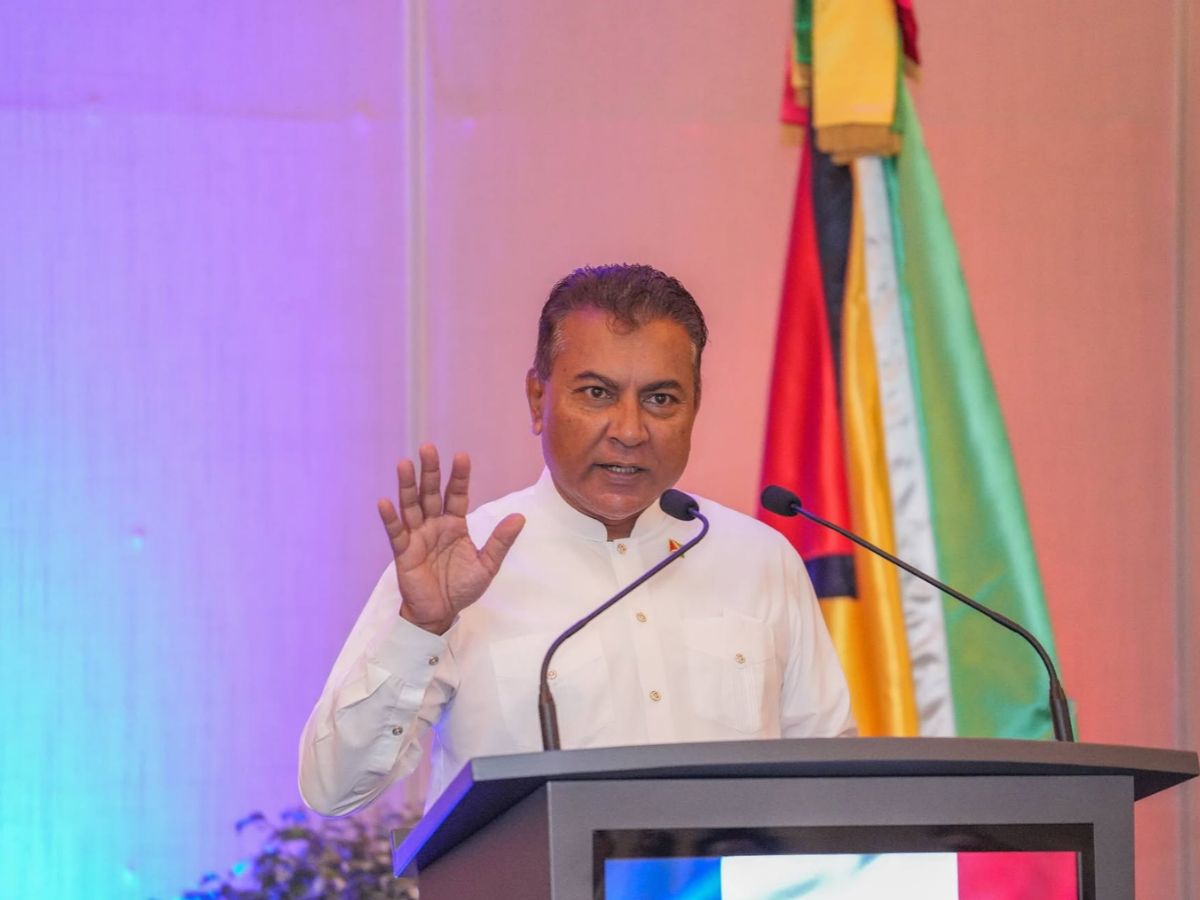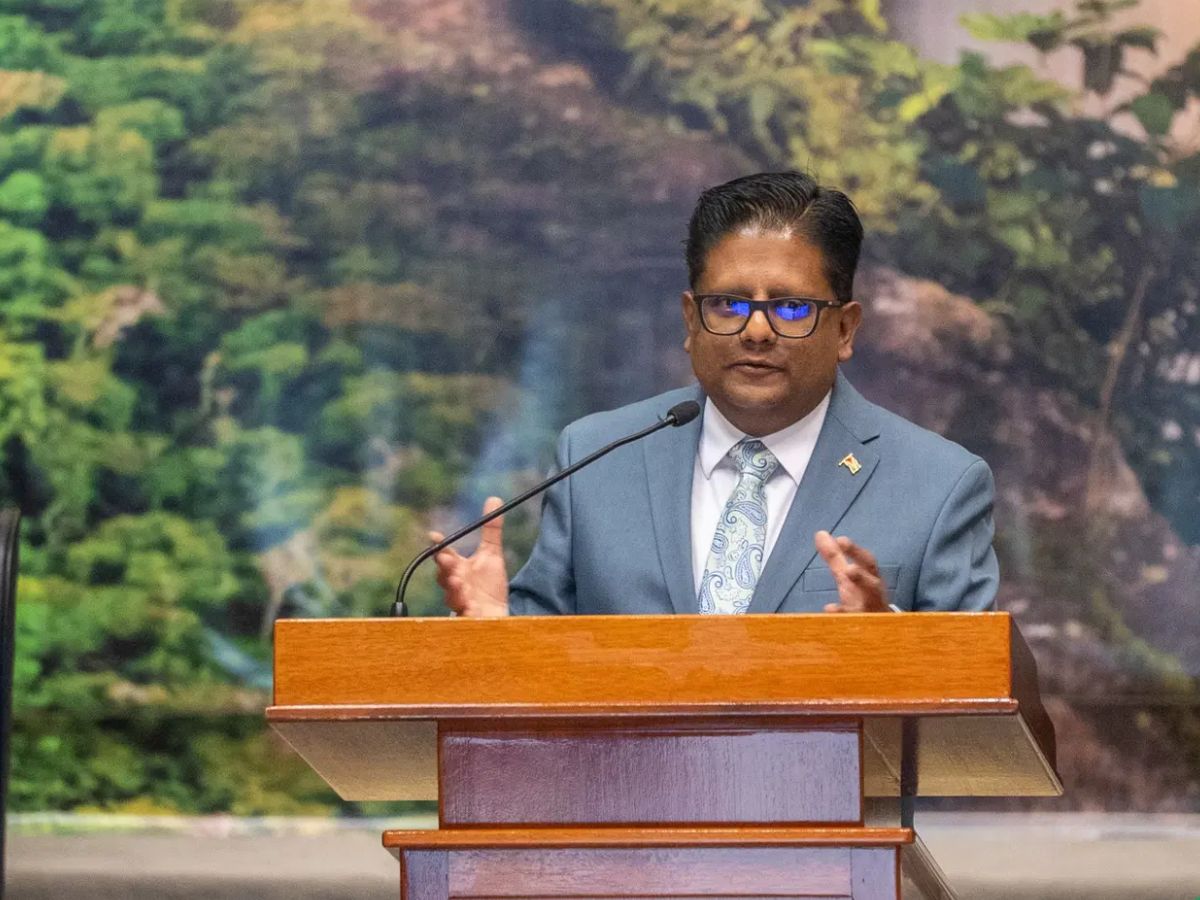
The second Global Biodiversity Alliance (GBA) conference closed at the Arthur Chung Conference Centre in Liliendaal, Georgetown, with developing countries pressing for a financial system that pays them for conserving ecosystems of global value. Delegates argued that nations holding large areas of intact forest, wetland and coastal habitat carry the cost of protection on behalf of the wider world and should be compensated accordingly.
Finance Minister Dr. Ashni Singh told the conference that a monetary framework for pricing biodiversity must be established far more quickly than carbon market mechanisms were. Those mechanisms took years to reach even partial maturity, and he indicated that biodiversity finance cannot afford a similar timeline given the rate at which habitats are being lost.
The case rests on a view that has gained ground in international negotiations: plants, animals and natural habitats supply services that benefit people far beyond the countries where they are found. Pollination, water regulation, soil stability and climate moderation have economic value, yet the governments that safeguard them rarely receive payment. Speakers said formal pricing would correct that gap and give sovereign stewards a financial reason to keep ecosystems intact rather than convert them to other uses.
Delegates did not wait on a complete system. Several proposed partial or transitional models that could be adopted at once, so that money begins reaching biodiversity guardians while the detailed rules are still being written. Waiting for a perfect framework, they said, would repeat an error already visible elsewhere.
Vice President Bharrat Jagdeo drew directly on that earlier experience. He described how forest carbon credits were held up for years by technical and procedural disputes. Questions of market integrity, additionality, permanence, carbon leakage and the protection of Indigenous Peoples' rights each took lengthy negotiation to address. Additionality asks whether a credit funds protection that would not have happened anyway, while leakage concerns the displacement of deforestation to areas outside a project's boundary.
Mr Jagdeo noted that forest carbon has still not been fully brought into mainstream global compliance markets. That outcome, he argued, should serve as a warning to those designing biodiversity instruments. Buyers and sellers need confidence in what is being traded, and the same questions are likely to return in a new form unless they are settled early.
The conference therefore turned to practical preparation. Participants agreed on the need to establish specialised technical working groups whose first task is to define what a biodiversity credit actually is. The groups are expected to produce that definition before negotiators meet again, so that political talks start from an agreed technical basis and not from competing descriptions.
Two tasks were set for the year ahead. The first is to develop scientifically sound metrics that allow ecosystems to be valued fairly, a demanding exercise given the variety of habitats and the difficulty of comparing one species or landscape with another. The second is to advance technology-driven conservation tools, including monitoring and verification methods that can confirm that protected areas remain protected. Reliable measurement is widely regarded as the condition on which investor trust depends.
The summit itself concentrated on scaling up concrete financial instruments. It brought together development banks, private investors and local communities, reflecting an expectation that public lending, commercial capital and community participation will all be needed to fund conservation at the required scale. Questions of who receives payment, and how Indigenous and local groups share in it, featured throughout the discussions.
The GBA is a voluntary international coalition led by Guyana. It aims to encourage collaboration among governments, academia and Indigenous groups in support of the global target of protecting 30 per cent of the planet's land and oceans by 2030. With that deadline less than four years away, delegates said the pace of financial design will largely determine whether the target is met.