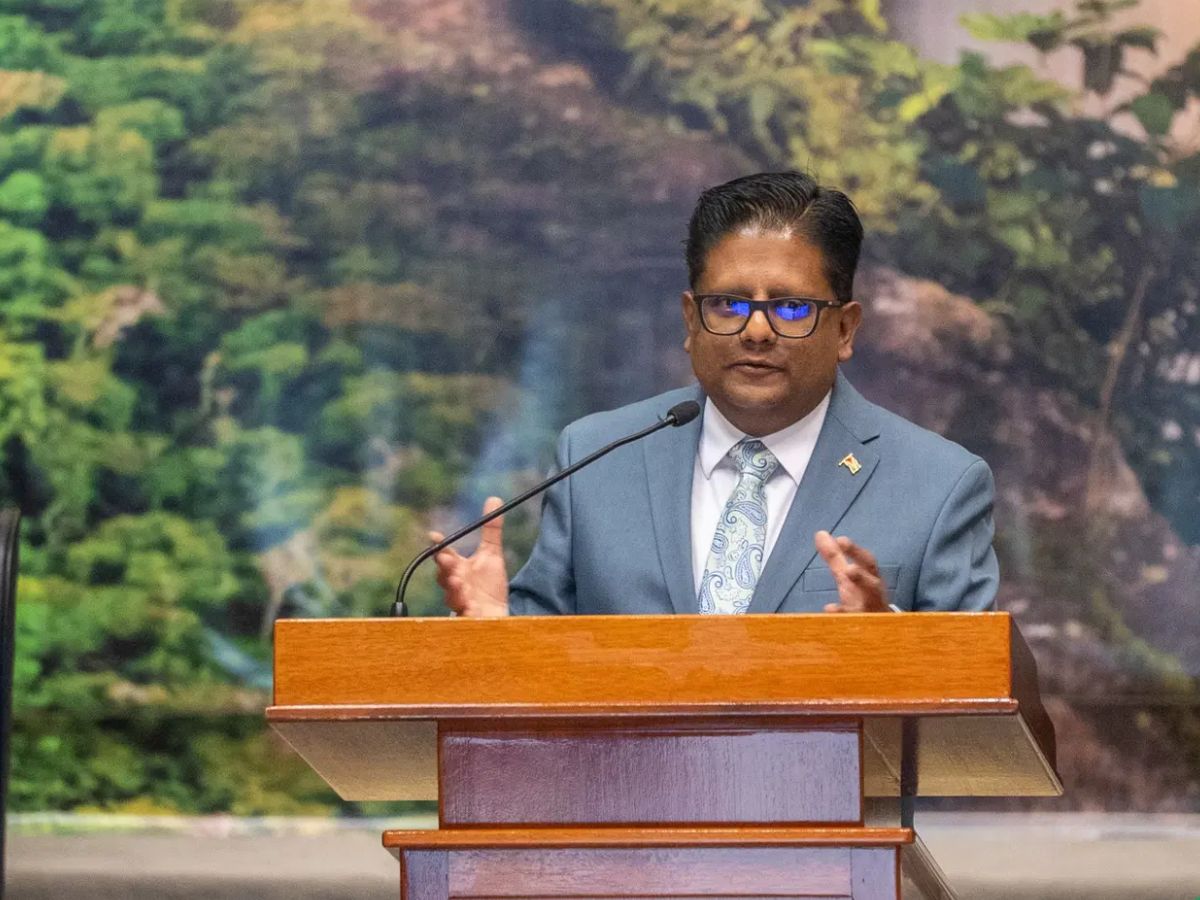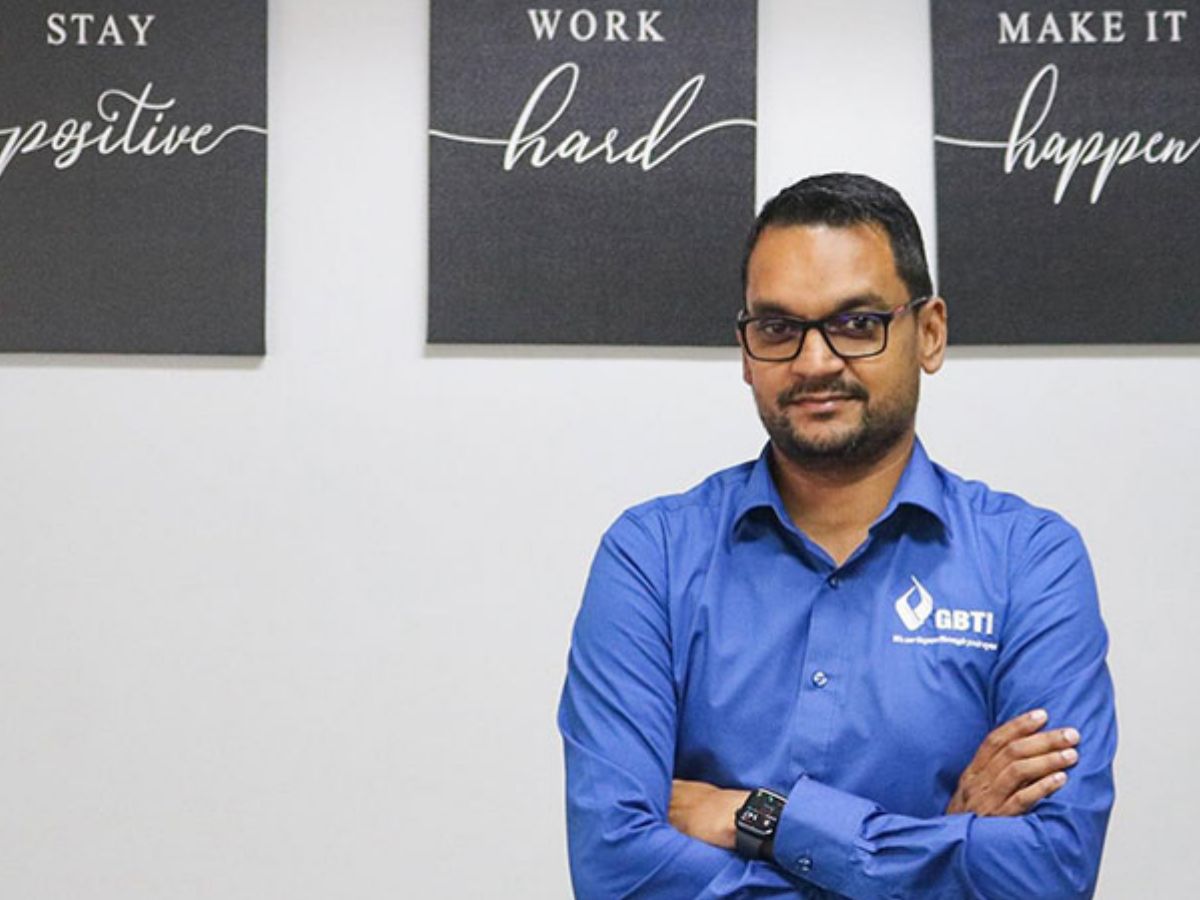
The Guyanese government has restated that foreign direct investment entering the country must integrate with domestic enterprises and pass through formal regulatory channels. Dr Peter Ramsaroop, the Chief Investment Officer, set out the expectations in recent public statements, describing local capacity building as a central consideration in how overseas capital is received.
Companies arriving in Guyana must obtain official permits and complete statutory processes through designated state agencies before they begin trading. Officials say the requirement exists to stop firms sidestepping oversight and to place foreign capital under domestic supervision from the first day of operation. Dr Ramsaroop also leads the Guyana Office for Investment, known as GO-Invest, which facilitates local and foreign investment and has said it seeks to match incoming investors with Guyanese providers.
The message arrives against a backdrop of rapid economic change. Successive petroleum discoveries offshore have driven swift GDP growth and placed Guyana among the fastest-expanding economies in the world. Government policy has moved away from a model in which resource companies extract value and take it abroad. The aim now is a framework that keeps a larger share of the economic benefit inside the domestic market, reflecting the scale of the revenues involved and the speed of the expansion.
Dr Ramsaroop has noted that in the early years of the oil and gas sector, large companies entered without local partners. More recently, he has said, investors have shown growing interest in local content and local partnerships, helped by the Local Content Law, which has become a reference point for how foreign firms approach the country.
Under the expectations now being stressed, foreign operators should work with Guyanese companies through joint ventures and vendor contracts, and should commit to formal knowledge-sharing programmes. Government officials argue that technology brought by overseas firms delivers lasting value only when domestic industrial capability develops alongside it. That requires managerial experience and technical skills to remain with Guyanese workers and firms after a contract ends. GO-Invest has signed memorandums of understanding with the Private Sector Commission and AmCham, intended to promote joint ventures and build the capacity of local businesses.
Partnership requirements are not confined to hydrocarbons. Officials have pointed to agriculture, transport infrastructure, hospitality and renewable power as areas where foreign interest is welcome and local participation is expected. Dr Ramsaroop has previously said that foreign and international companies have shown interest in agriculture, tourism and business process outsourcing as well as oil and gas.
The strategy carries an economic logic. A national economy that depends heavily on crude oil is exposed to swings in commodity prices. Officials see present foreign interest as an opportunity to establish growth across several sectors, so that a fall in oil revenue would have a smaller effect on national income. Securing partnerships now, while investor attention is high, gives the government bargaining strength that may be harder to find later.
Georgetown faces a balancing task. It wants an investment climate attractive enough to draw capital, and it also wants to protect state sovereignty and the prospects of local firms. Dr Ramsaroop has promised a level playing field and a reduction in bureaucratic delay, commitments that sit alongside the insistence on compliance. Whether investors regard the two as compatible will shape how much capital reaches non-energy sectors, where the commercial case differs from that of offshore oil.
The message to global capital is that investment remains welcome. It must operate transparently within established legal frameworks and contribute to national economic resilience. Firms that accept those terms will find a government keen to broker introductions to local partners. Those that do not should expect difficulty securing long-term access to the market.