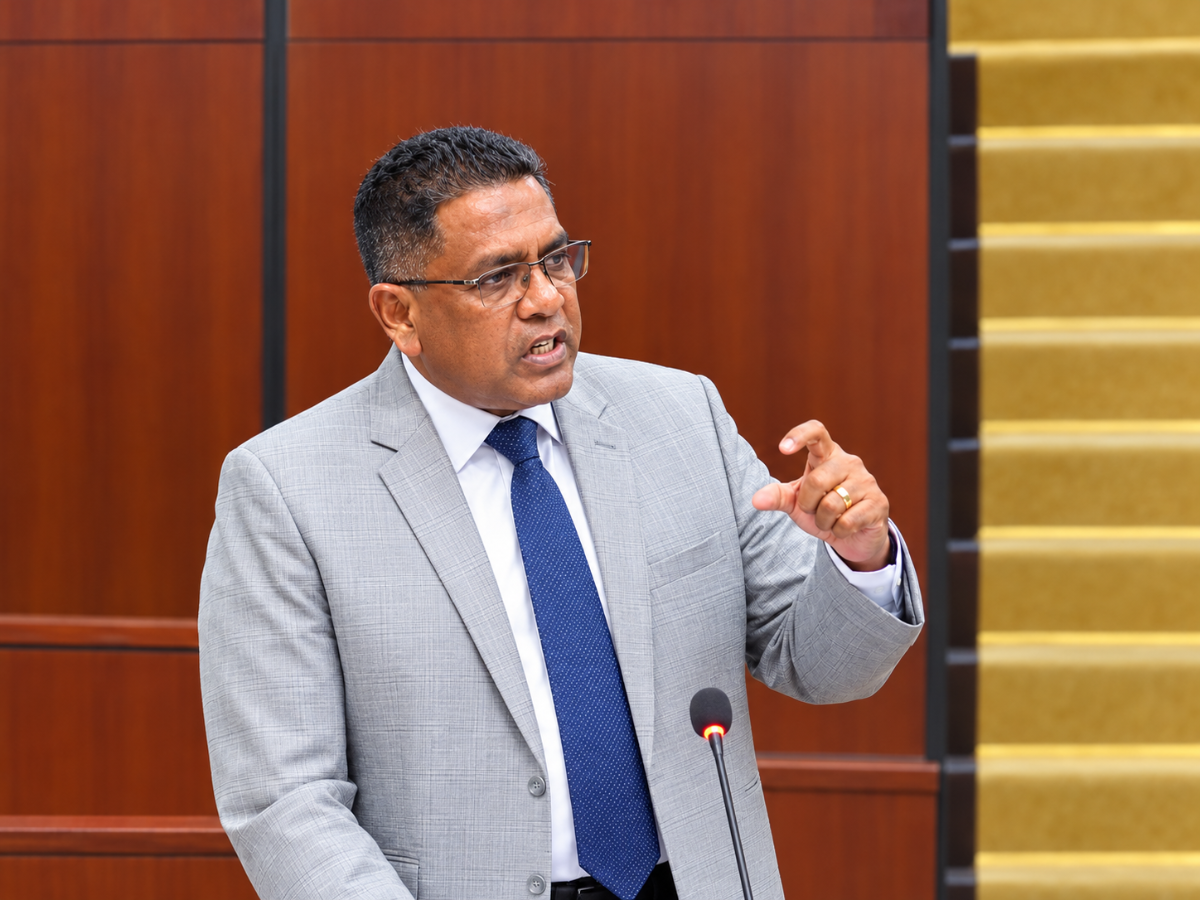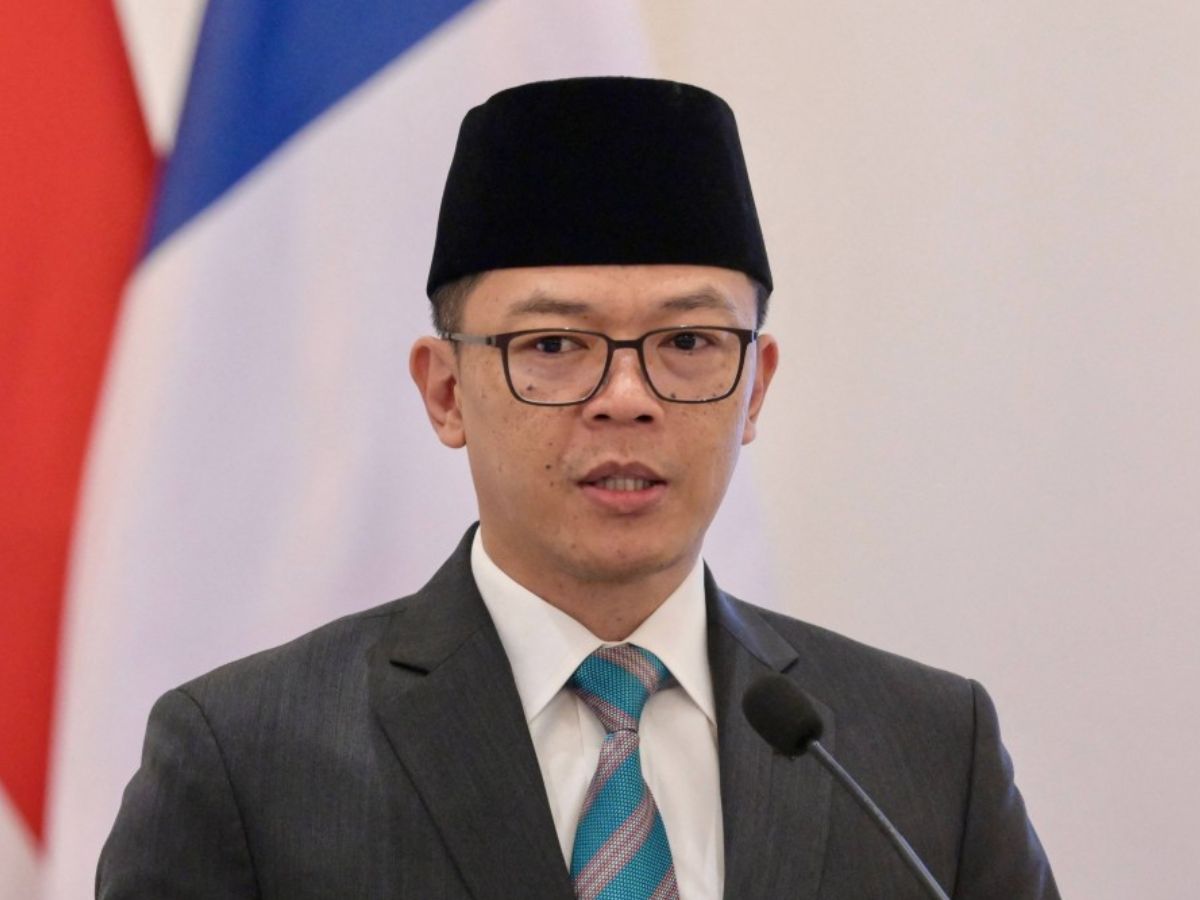
Indonesia is exploring stakes in offshore oil fields off the coast of Guyana and Suriname, according to the country's Foreign Affairs Ministry, in a move designed to reduce the nation's exposure to instability in the Middle East. State-owned energy company PT Pertamina has begun exploratory discussions on exploration and investment opportunities in the upstream oil and gas sectors of both South American nations, the ministry's Director General for American and European Affairs, Grata Endah Werdaningtyas, confirmed at a briefing in Jakarta.
The move marks a deliberate widening of Indonesia's energy sourcing at a time when its existing supply routes face significant strain. Acquiring equity in Latin American oil fields would give Jakarta direct ownership of production, according to Grata, rather than leaving it reliant on imports negotiated through intermediaries.
The push comes against the backdrop of the closure of the Strait of Hormuz, the narrow waterway through which roughly a quarter of the world's seaborne oil trade normally passes. Since the outbreak of the conflict between the United States, Israel and Iran in February 2026, the strait has been intermittently closed and repeatedly attacked, disrupting one of the most heavily used shipping corridors on earth. Tanker traffic through the strait fell close to zero in the early weeks of the war, and disputes over safe passage have continued despite a ceasefire agreement reached in June. Iran has since threatened and attacked vessels it deems non-compliant with its own terms for transit, prolonging the uncertainty for countries that depend on Gulf oil.
For Indonesia, which imports a substantial share of its crude, the episode has exposed the risks of relying on a single, contested corridor. Grata described the strategy in blunt terms, noting that holding an ownership stake in a producing region makes supply from that region more secure, and framing the approach as making Indonesia a more astute participant in the global oil and gas market.
Guyana and Suriname have emerged over the past decade as among the most closely watched frontiers in offshore oil exploration, with vast reserves discovered off their Atlantic coastline. Regional output from the area is projected to reach 200,000 barrels per day by 2028, a scale that has already drawn interest from major international operators. Pertamina's upstream arm, Pertamina Hulu Energi, disclosed earlier this year that it had received an offer to operate a block in Suriname and was weighing the proposal alongside government guidance on the geopolitical risks involved. The company has also been reported to be considering a partnership with Malaysia's Petronas as a route into the region.
Pertamina's international division, Pertamina International EP, brings a track record that lends weight to the ambition. The subsidiary has operated assets across more than a dozen countries, including Angola, Tanzania, Algeria, Iraq and Malaysia. In its most recent reported results, the unit's oil production reached 109 per cent of its annual target and gas production 118 per cent, driven in part by strong output from its Angolan and Gabonese assets. Proven reserves added during the year also far exceeded the company's original plan. That performance has been cited internally as evidence that Pertamina's overseas arm can be trusted with further expansion.
The Guyana and Suriname discussions sit within a broader Indonesian effort to build ties across Latin America and the Caribbean. Pertamina already holds interests in Venezuela, one of thirteen countries where the company has established foreign oil and gas assets since 2014. Two-way trade between Indonesia and the region reached sixteen billion US dollars last year, though this remains a small fraction, around three per cent, of the country's total global trade. Jakarta plans to press the case for closer economic engagement at the Indonesia-Latin America and Caribbean business mission scheduled for Chile in October.
Whether the exploratory talks translate into finalised stakes remains to be seen, and Pertamina's own officials have acknowledged that any move must account for the geopolitical risks bound up in the region as well as those it is trying to escape closer to home. For now, the discussions represent an early but clear signal of how a major Asian oil importer is recalculating its exposure to a conflict thousands of miles from its own shores.