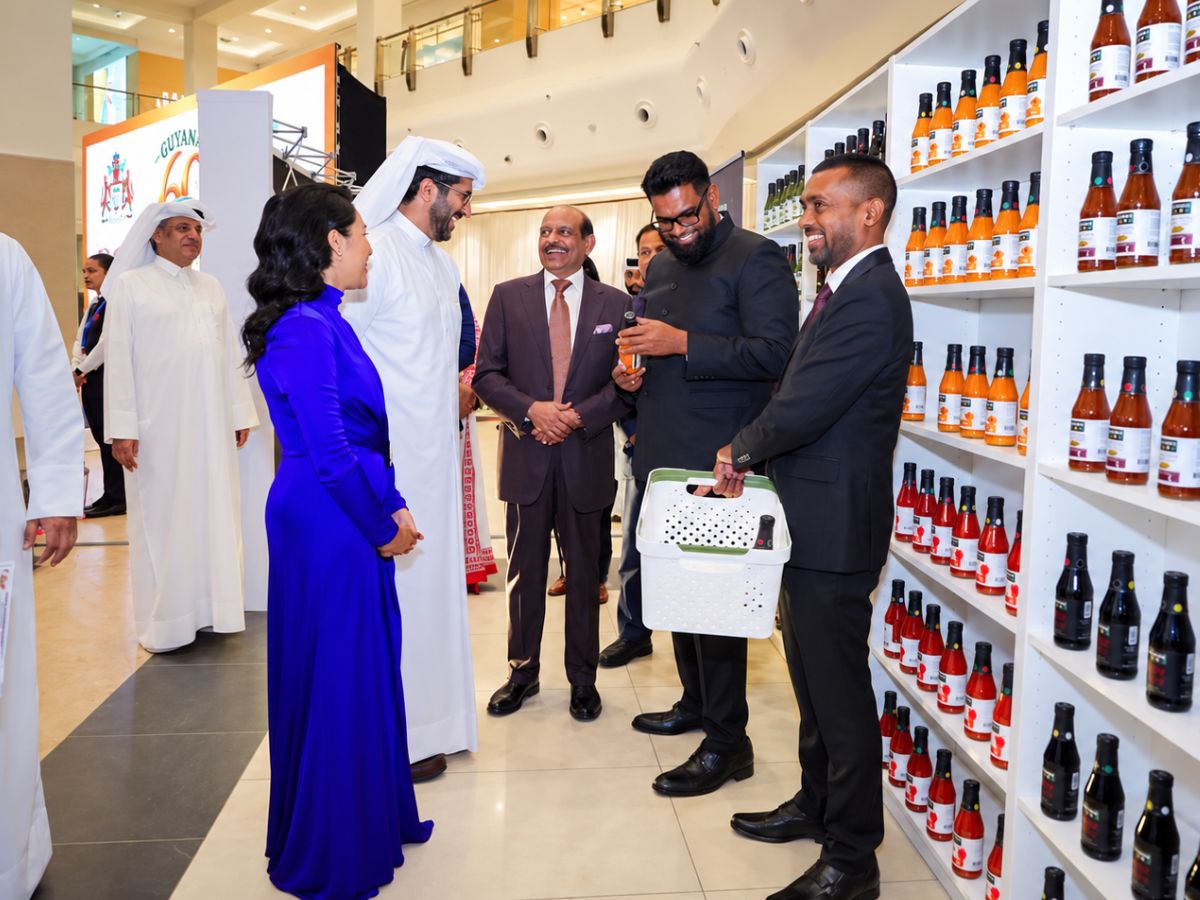
UMAMI Incorporated, an agro-processing firm based in Guyana, has introduced its range of condiments and seasonings to the Qatari market. The move marks a significant milestone for the company as it works to establish its brand across multiple continents, extending its reach into the Gulf region for the first time.
The entry into Qatar follows a period of sustained growth for the manufacturer, which has spent the past two years building a presence beyond its home market. Company representatives describe the development as part of a deliberate strategy rather than an isolated deal, with Qatar seen as an entry point into wider Middle Eastern retail and food service networks.
UMAMI specialises in value-added food products, chiefly premium condiments, seasonings and sauces, made using ingredients sourced locally in Guyana. The company has positioned itself as an exporter of Guyanese agricultural produce in processed form, converting raw commodities such as peppers, herbs and spices into packaged goods intended for supermarket shelves and commercial kitchens abroad. This approach allows the firm to capture more value from its supply chain than would be possible through the export of raw ingredients alone.
The Qatar announcement builds on a string of international moves. Last year, UMAMI entered Trinidad and Tobago through a distribution agreement with Massy Distribution, one of the region's larger logistics and retail groups, which gave the company access to established supermarket networks across the twin-island republic. Before that, UMAMI completed a rollout across retail stores in Canada, placing its products within reach of the Guyanese diaspora community as well as a broader North American consumer base curious about Caribbean flavours.
Taken together, the moves into Trinidad and Tobago, Canada and now Qatar suggest a company moving deliberately rather than opportunistically, choosing markets that combine diaspora demand with openings into larger regional trade networks. Industry observers note that this sequencing, from the Caribbean to North America and now to the Gulf, mirrors patterns seen among other small agro-processors seeking to scale without the backing of multinational distribution infrastructure.
The company's expansion arrives against a backdrop of policy attention on Guyana's agro-processing sector. The government has in recent years prioritised value-added agricultural production as part of a broader push to diversify the economy beyond oil and gas, which now dominates national output following the start of offshore production. Officials have repeatedly stated an aim to reduce reliance on the export of unprocessed commodities and instead encourage manufacturers who can transform local produce into finished goods for export.
Programmes supporting agro-processors have included access to financing, technical support for meeting international food safety standards, and assistance in identifying export markets. UMAMI's progress from a domestic producer to an exporter with a presence on three continents is being cited by some within the sector as evidence that these measures are having a tangible effect, though the company's growth also reflects choices made by its own management around branding, packaging and distribution partnerships.
Guyana's non-oil economy has drawn increasing attention as the country seeks to avoid overdependence on petroleum revenues. Agriculture remains a significant employer outside the capital, and processed food exports offer a route to higher margins than raw commodity sales. Whether UMAMI's experience proves replicable for other small and medium-sized producers in the country remains to be seen, but its trajectory offers a case study in how a Guyanese firm can move from local shelves to international ones within a relatively short span of time.
No figures on sales volumes or revenue from the Qatari market were disclosed at the time of the announcement. The company has not indicated when its products will reach additional markets, though its recent pace of expansion suggests further announcements are likely within the next year.