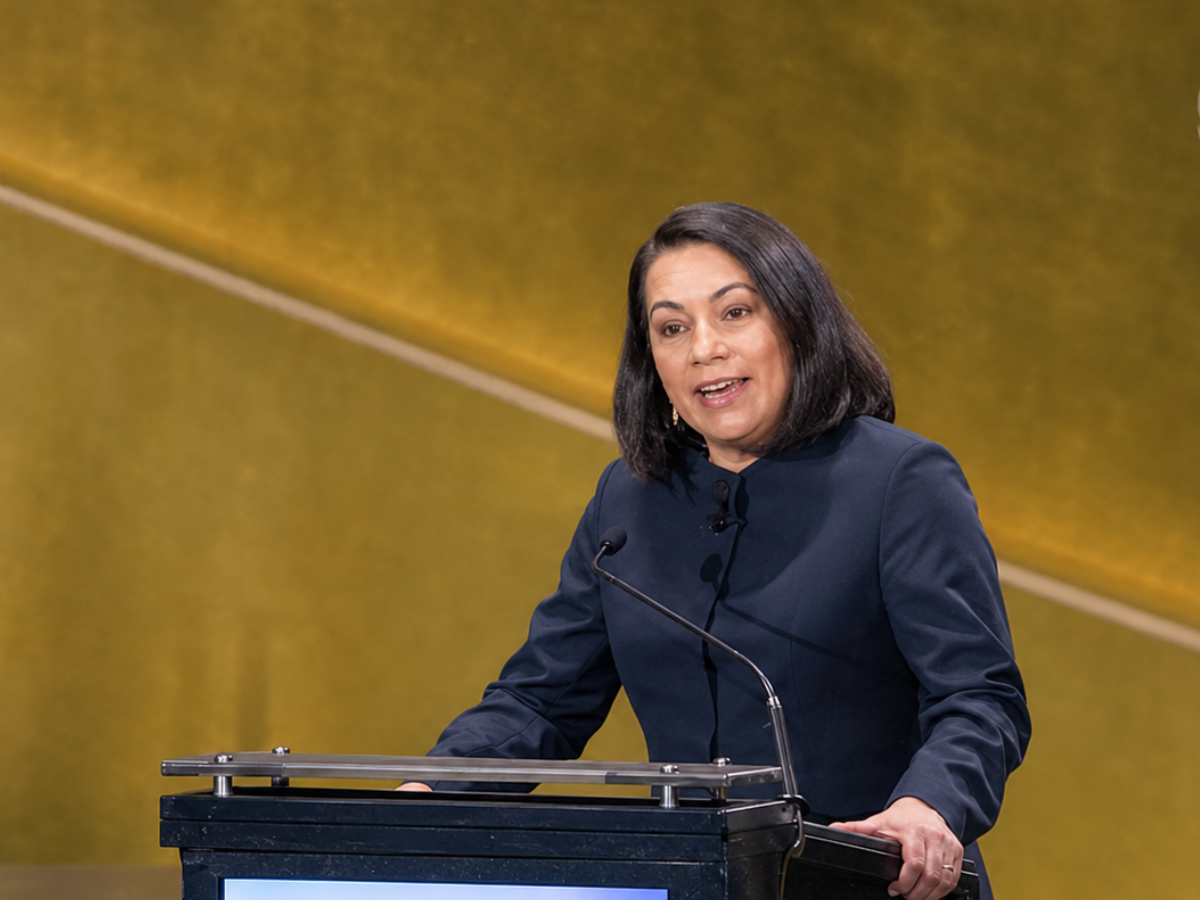
Carolyn Rodrigues-Birkett, Guyana's candidate for United Nations Secretary-General, has told a Council on Foreign Relations (CFR) dialogue in Washington, D.C. that member states should deepen multilateral cooperation and strengthen the organisation's capacity for peacemaking. The council's record places the conversation on 16 October.
Ms Rodrigues-Birkett has been Guyana's Permanent Representative to the UN since 2020 and was foreign minister from 2008 to 2015. President Dr Mohamed Irfaan Ali nominated her on 15 June. She is one of six candidates to succeed António Guterres, whose term ends on 31 December 2026. The others are Maria Fernanda Espinosa, Rebeca Grynspan, Michelle Bachelet, Macky Sall and Rafael Grossi. The Security Council recommends a candidate and the General Assembly appoints the successor, who takes office in January 2027.
She described a changed security environment. The number of armed conflicts has risen, and warfare now involves drones and non-state armed groups. She noted that drones account for the largest number of casualties in Sudan, according to the CFR's summary of the event. She said these developments call for a renewed commitment to the UN's peacemaking role, and she presented peacekeeping as a means of reaching a political settlement.
The organisation's finances were a second theme. The UN's liquidity crisis has increased the pressure on it to operate with fewer resources while still delivering results in conflict and development settings. The CFR summary adds that she acknowledged other problems facing the next Secretary-General. The world will not meet even half of the Sustainable Development Goals by the 2030 deadline, and smaller member states have criticised the geographic balance of UN staff. She said that coming from a small state, she understands how these pressures spread.
Ms Rodrigues-Birkett also listed vulnerabilities that overlap. They include growing humanitarian emergencies, climate risks that fall heavily on Caribbean countries, and limited financing for development. These bear directly on small island and coastal states, where a single storm can erase a year of economic growth.
She called for closer work with non-state actors, among them businesses and civil society organisations, whose influence on international affairs continues to grow. In an address to member states in June she said she would work with all 193 members, UN staff, regional institutions and civil society, and that she wanted balanced delivery across peace and security, development and human rights.
On leadership, she said the next Secretary-General must work with member states on meaningful reform and a sustainable direction for the organisation. Her written vision statement is titled "Reasserting, Reforming, and Rallying Our United Nations". It describes the post under Article 97 of the UN Charter as chief administrative officer and says the vision for the next five years must be practical and realistic.
Her candidacy faces a regional complication. Leaders of the Caribbean Community backed her as the regional candidate, but Antigua and Barbuda has put forward Ms Espinosa, a former Ecuadorian foreign minister, according to Argentine press reports. The split means the region's votes in the General Assembly stage may not move together.
President Ali has said the next Secretary-General must be able to build trust among member states, restore confidence in multilateral institutions and lead with vision. He has said the government will actively advocate for her candidacy and press her case with other member states.
The CFR dialogue is one of a series of events at which candidates present their plans. Ms Rodrigues-Birkett has taken part in a similar discussion at the Stimson Center in Washington, and has visited leaders abroad to present her candidacy, including the President of Somalia.
The Security Council will decide how many rounds of voting it needs, and the permanent members hold a veto over the recommendation. Candidates therefore spend much of the campaign speaking to governments and to audiences such as the CFR, where officials and analysts who influence those governments are present.