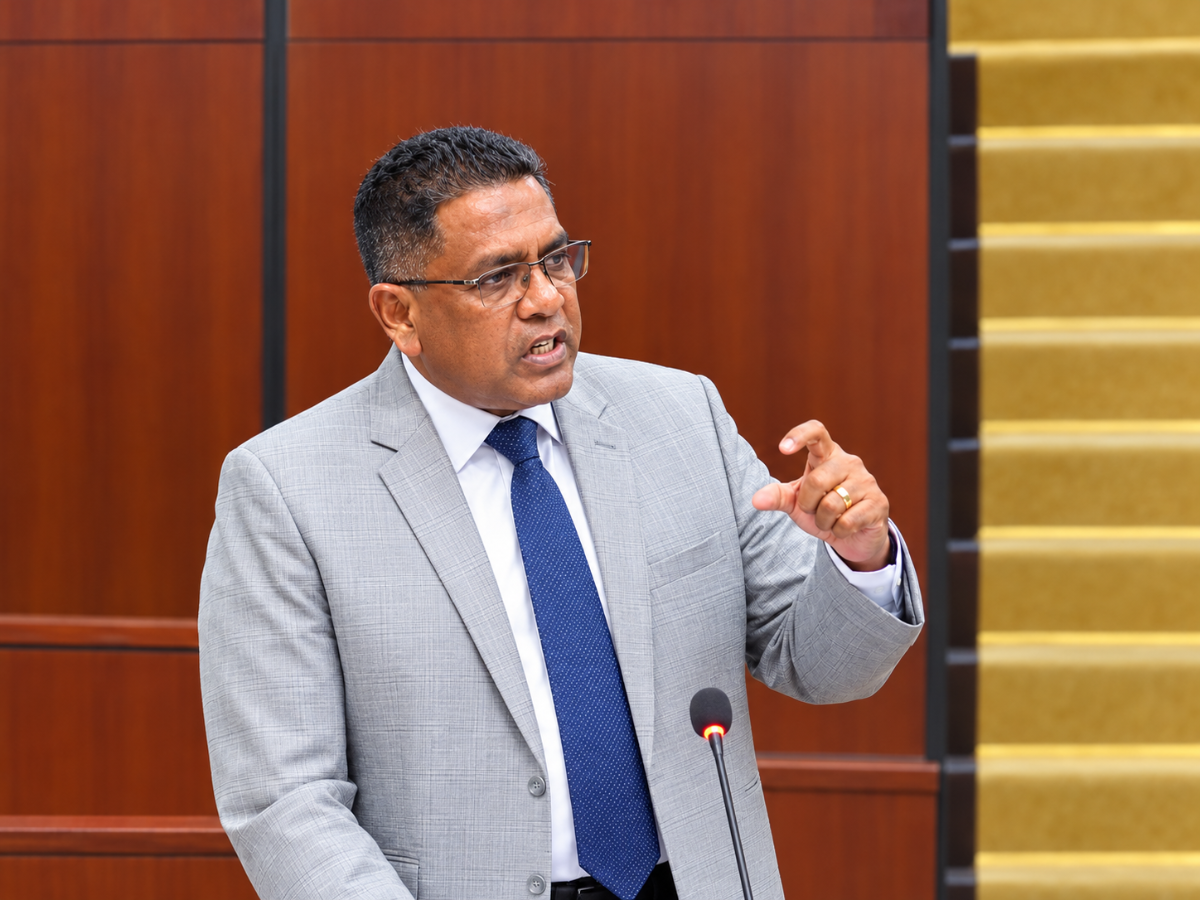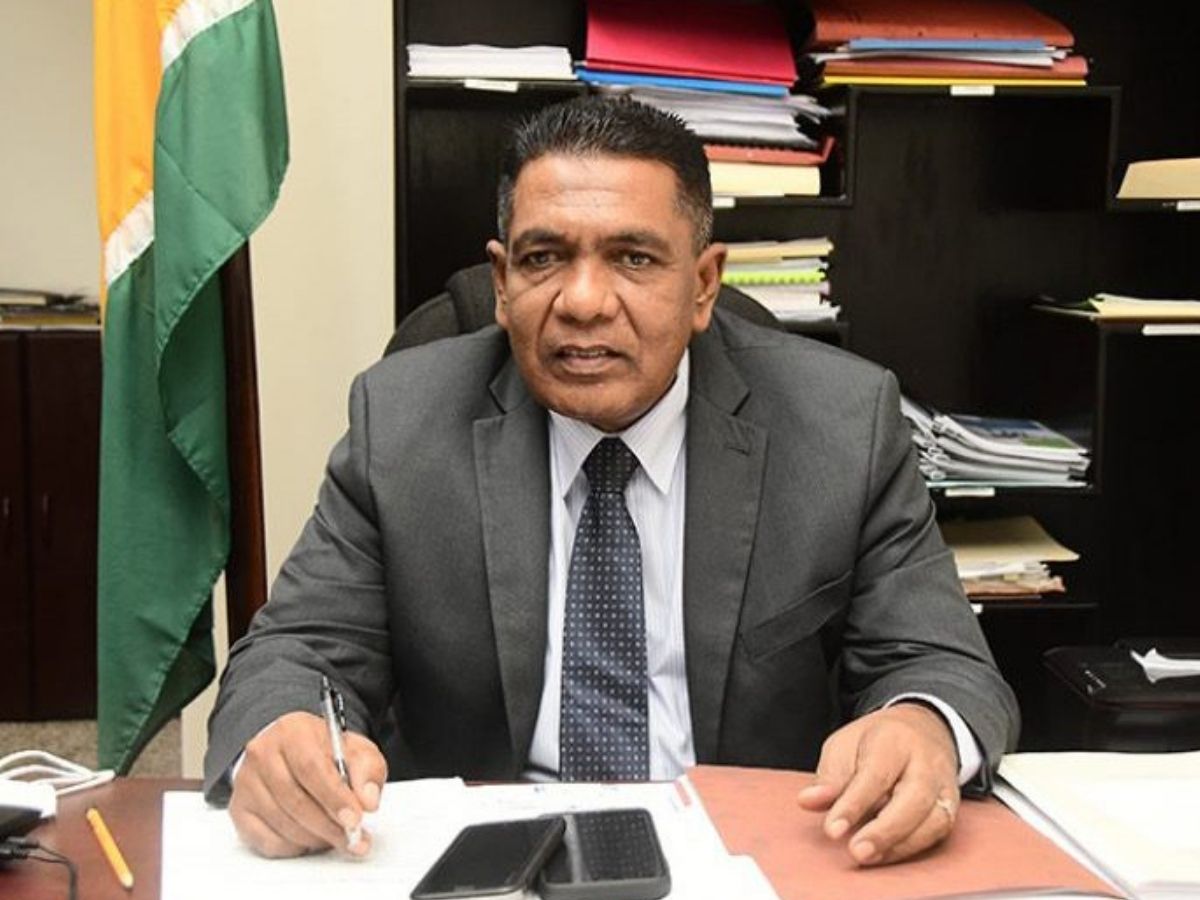
Agriculture Month 2026 has begun in Guyana, and the country's Agriculture Minister, Zulfikar Mustapha, has said the agriculture, forestry and fishing sector grew by 11.5 per cent in 2025. The figure appeared in a message the minister issued to mark the start of the month, which is being held under the theme "Innovate, Nourish, Grow: Building a Strong and Sustainable Guyana". All figures cited below come from the minister's message and have not been independently verified.
Mr Mustapha said rice production rose from about 500,000 tonnes in 2020 to 810,299 tonnes in 2025. He added that output across 15 priority commodities increased by 27.9 per cent between 2020 and 2025. He linked these gains to CARICOM's target of cutting the region's food import bill by 25 per cent by 2030, and said Guyana is playing a larger part in regional food security.
The minister listed the areas in which the government is investing. They include drainage and irrigation, farm-to-market infrastructure, agro-processing, research, training and technology. He also named cold storage, logistics and market infrastructure, which he said will help producers reduce losses after harvest and reach new buyers. He said the Regional Food Hub and supporting facilities will strengthen Guyana's position as a supplier to regional and international markets. Work continues to modernise and diversify the sugar industry, he said, while aquaculture, livestock and agro-processing are being expanded.
On technology, Mr Mustapha gave several examples of methods already in use. These are drone-assisted operations, hydroponic farming, the Farmers Connect App, other digital tools and tunnel-ventilated poultry systems. He said greater use of technology, research and mechanisation is helping producers raise productivity and improve efficiency. That assessment is his own, and the message did not offer data on the effect of individual technologies.
The minister also pointed to climate risks. He said strengthening El Niño conditions bring the possibility of drier periods and higher temperatures in Guyana, which he said makes water management and preparedness more important. He placed this alongside wider concerns, including extreme weather, disruption to global supply chains and uncertainty in international markets. In his view, a country's ability to produce its own food is fundamental to its stability.
Mr Mustapha said the government wants to widen opportunities for women and young people in agriculture. He said this would be done through greater access to training, technology, financing and productive resources, and that the future of the sector depends on attracting a new generation of producers and business leaders.
A programme of events has been announced for the month. It includes farmers' markets across the country, the first Farmers' Conference and the Annual Honey Fest. The minister said the activities are meant to bring producers and consumers closer together, allow knowledge to be shared and show the work of farmers and agro-processors.
Several points were not covered in the message. It did not say where the 11.5 per cent figure comes from, or how much of the growth was due to rice compared with other crops and fishing. No amounts were given for spending on any of the investment areas. The minister did not say how El Niño is expected to affect this year's harvests. Dates and venues for the conference, the Honey Fest and the farmers' markets were not listed, and the message gave no update on the state of the sugar industry. No response from farmers' groups or opposition parties was included.
The month's events are due to take place in different parts of the country. Mr Mustapha said the government will continue to invest in infrastructure, research and technology as it seeks to expand the sector.