Guyana will host the Second Global Biodiversity Alliance (GBA) Conference and Financing Forum at the Arthur Chung Conference Centre in Georgetown on 30 and 31 October. More than 140 representatives of governments, communities and organisations are expected to attend. The event is part of Guyana Nature and Biodiversity Finance Week, and its stated aim is to move the discussion of biodiversity from commitments towards investment and measurable results.
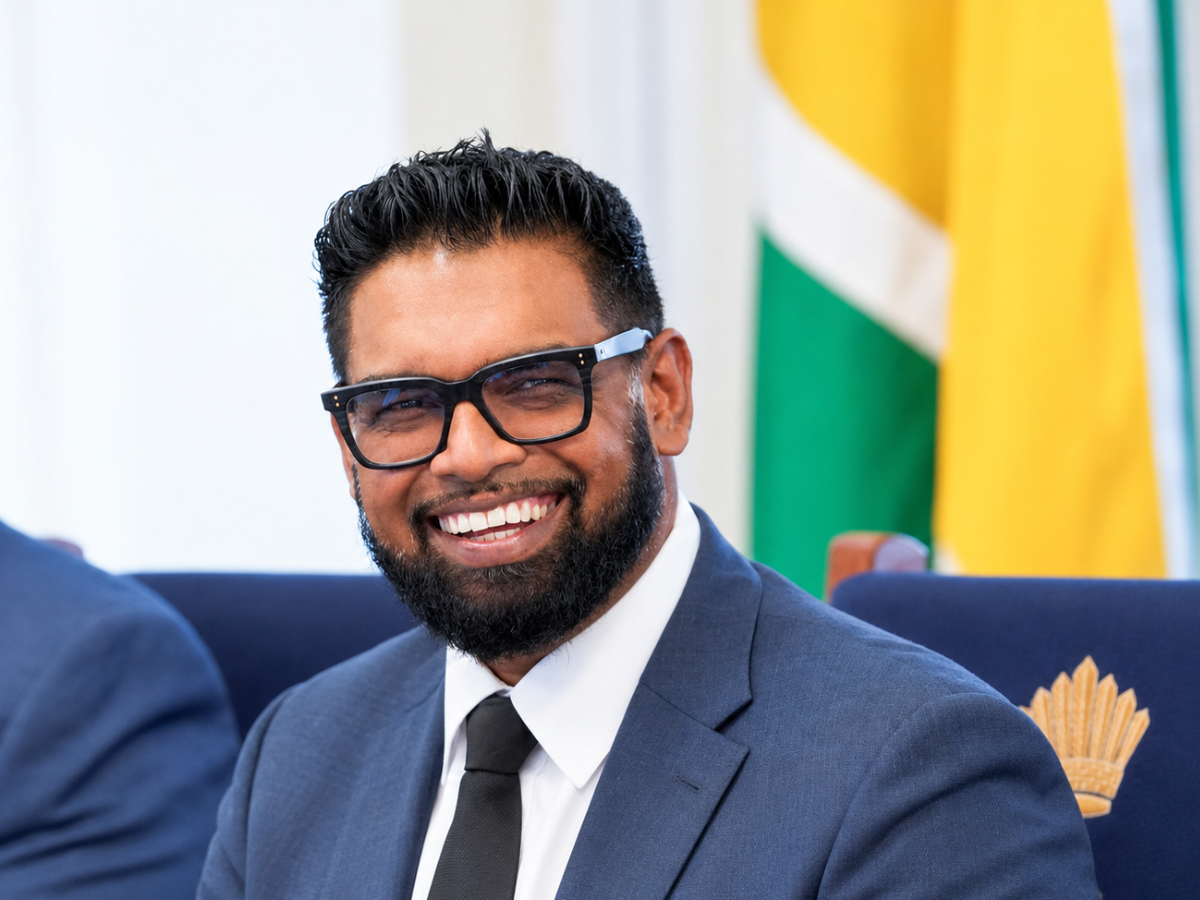
The alliance is Guyana's initiative. President Irfaan Ali announced it at the 79th session of the United Nations General Assembly in 2024, with the purpose of uniting biodiversity-rich countries around scalable models for environmental protection. The inaugural summit took place in Georgetown from 23 to 25 July 2025. Officials say membership has since grown from 17 founding members to 125, and now includes the Inter-American Development Bank, the World Bank and the Caribbean Development Bank. The World Bank's International Development Association signed a memorandum of understanding with Guyana on 17 April 2026 to collaborate through the alliance.
The size of the funding gap shapes the agenda. At the 2025 summit, Mr Ali said that at least US$700 billion a year is needed to meet the targets of the Global Biodiversity Framework, which would require global finance for nature to more than triple. He said the alliance would treat closing that gap as a priority.
The instruments listed for this year's conference are blended finance, green and biodiversity bonds, carbon and biodiversity markets, and funding channelled through multilateral institutions. The alliance has previously said it would scale blended finance to reduce the risk for investors in nature-based enterprises, pilot biodiversity credits and expand debt-for-nature swaps. Multilateral development banks and private investors are expected to take part in discussion of how conservation infrastructure can be paid for. Public policy forms part of that discussion. The second day will examine the policies governments need to put in place if institutional capital is to be attracted to environmental projects.
The programme is split between the two days. The first is billed as the conference, with a plenary session for political leaders, debates on biodiversity finance policy and panels on youth and women in conservation. The second day is the Financing Forum, which will cover investment mechanisms, regional policy alignment and practical financing sessions, followed by networking and partnership discussions. The detailed timetable and speaker list had not been published in the material available.
Community involvement also features. The conference is expected to give attention to Indigenous stewardship of land, youth-led innovation and scientific monitoring, and to consider how each can be written into the alliance's policy. At the 2025 summit, Mr Ali said the alliance would support community-driven finance models that put Indigenous leadership at the centre. How that commitment has been put into practice since then is likely to attract attention from delegates.
Guyana presents itself as a country that has kept its natural assets intact. Government figures put forest cover at 86 per cent of the national territory, storing about 19.5 gigatonnes of carbon, and the government has committed to protecting 30 per cent of its land and marine areas by 2030. Mr Ali has said Guyana's ecosystems provide more than US$15.2 billion a year in services. The same government is also developing an oil sector that has driven rapid economic growth, which means the balance between conservation and development is one the host faces directly. The conference programme lists that balance as a theme for biodiversity-rich nations in general.
No financing commitments have been announced ahead of the event, and organisers have not said what outcomes they expect from it beyond progress in turning global targets into funded projects. The figure of more than 140 refers to representatives expected rather than confirmed attendees, and the identities of the political leaders and financial institutions taking part have not been published. Reports from the two days will show whether the alliance's growing membership leads to money for projects.