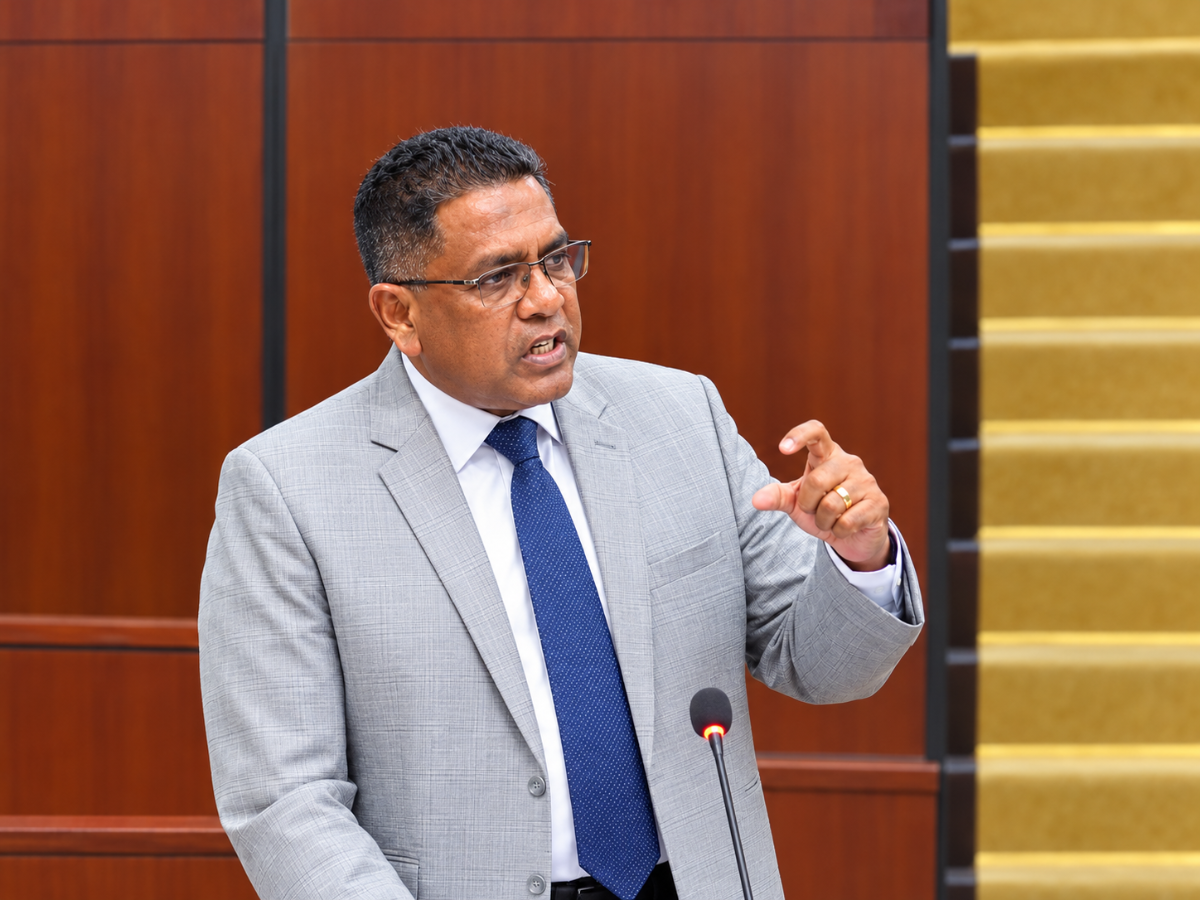
Guyana's Finance Minister, Dr Ashni Singh, has signed the commencement order that will officially bring the Guyana Development Bank into operation. The order was gazetted this week, confirming that the institution will formally launch on 5 October 2026. The signing represents the final administrative step before the bank begins accepting applications, following months of legislative preparation.
The bank will open with an initial capital injection of US$100 million, equivalent to half of its total authorised capacity of US$200 million. Its flagship product is a zero-interest loan of up to $3 million that requires no collateral, a structure designed to reach entrepreneurs who have historically struggled to meet the security requirements of commercial lenders. The target groups include small and medium-sized enterprises, young people, women and individuals with disabilities. Every loan will come bundled with mandatory mentorship and training, intended to help recipients manage their finances and sustain their businesses once the initial funding has been spent.
The bank has been built to work alongside, rather than in competition with, Guyana's existing commercial banking sector. Borrowers who take out a loan through the new institution will be able to use it as leverage to access up to $7 million in additional financing from commercial banks, at rates more favourable than those typically available to first-time borrowers. The legislation also encourages businesses to form consortia, pooling resources and sharing risk so that groups of entrepreneurs can take on larger projects than any one of them could manage alone. Officials have said this co-financing model is meant to graduate successful borrowers into the formal banking system over time.
Governance arrangements have been written into the enabling legislation with an eye toward transparency. The bank's board of directors will be drawn from specific professional fields, among them law, banking and economics, a requirement intended to ensure a baseline of technical competence at the top of the institution. Its financial records will be subject to annual examination by the Auditor General, and the bank will be required to submit yearly reports to the National Assembly. Opposition politicians have nonetheless raised concerns about the concentration of authority in the hands of the Finance Minister, who is empowered to appoint the board, noting that the legislation does not provide seats for opposition representatives, civil society or independent transparency bodies.
The launch comes against a backdrop of a Guyanese banking sector reporting improved health. Non-performing loans across the commercial banking system have fallen sharply, from 10.8 per cent to 1.3 per cent, according to government figures, and the number of newly opened commercial bank accounts has risen. Officials have pointed to these trends as evidence that conditions are favourable for expanding access to credit rather than tightening it.
Beyond its immediate lending function, the bank has been framed by the government as a vehicle for diversifying an economy still dominated by oil revenue. Ministers have identified manufacturing, agriculture, tourism and technology as sectors expected to benefit most directly from the new financing channel. The institution is also being presented as a successor to, and expansion of, earlier state efforts to support small businesses, including the work of the Small Business Bureau and previous partnerships with IDB Invest, which have provided smaller-scale credit lines to Guyanese enterprises in the past.
Whether the bank succeeds in reaching the borrowers it is designed for will depend in large part on implementation details that have yet to be published, including its precise application process and credit assessment criteria. For now, the government has set 5 October as the date it intends the institution to begin operating, with the intervening weeks likely to be spent finalising the practical arrangements that will determine how quickly loans begin to flow.