Guyana is dismantling the siloed, vertical structure that has long defined its approach to HIV treatment. In its place, the government is folding HIV care into the country's network of roughly 450 primary healthcare facilities, a shift intended to bring services closer to where patients already seek routine medical attention.
The stated aim is to improve access for people living with HIV, cut the travel burden faced by patients in rural areas, and treat the condition alongside other chronic illnesses rather than as a separate clinical category requiring specialist referral for every visit.
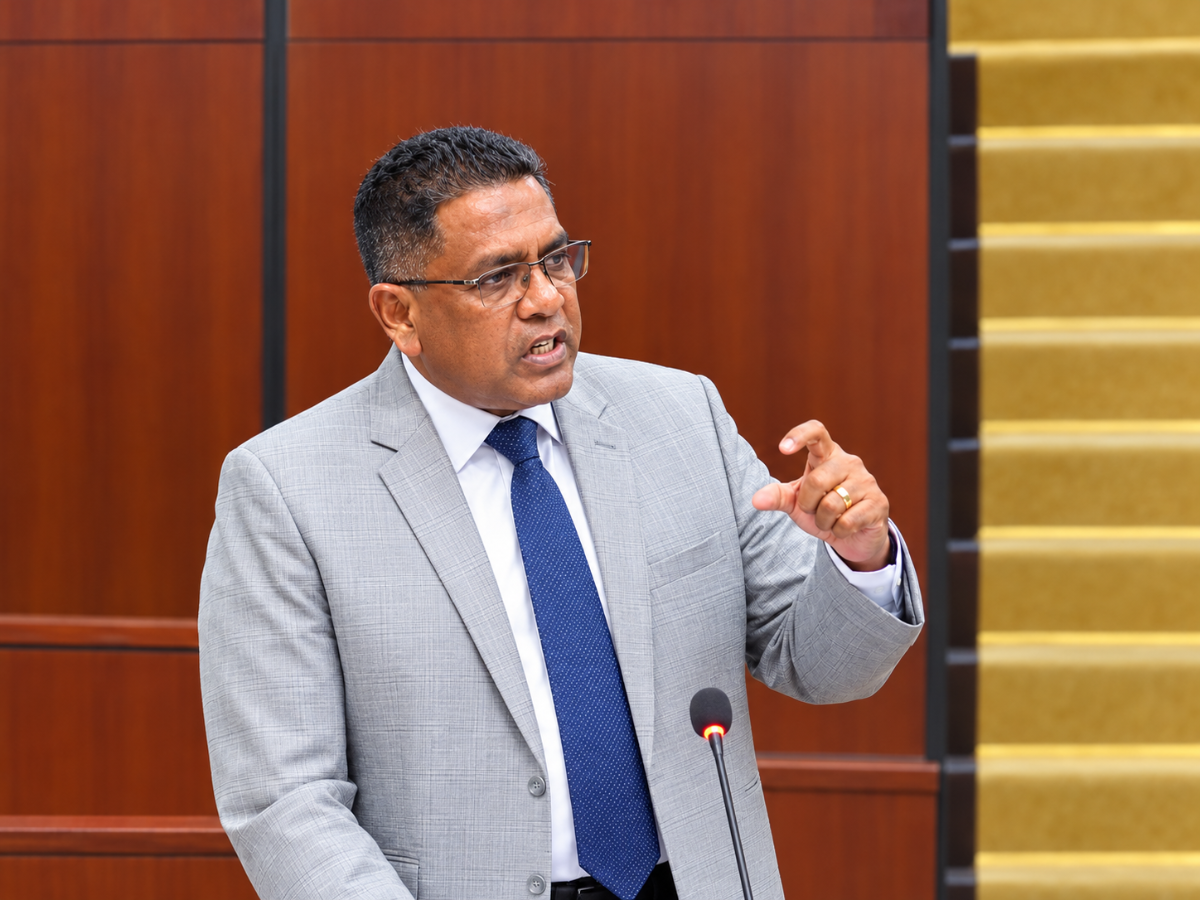
The policy shift follows a directive from Health Minister Dr Frank Anthony, delivered during a two day clinical capacity workshop held in partnership with the Pan American Health Organization and the World Health Organization. The session brought together clinicians and health officials to discuss how primary care providers can absorb responsibilities that were, until recently, reserved for specialist HIV clinics.
The reasoning behind the change reflects how far HIV treatment has advanced since the early years of the epidemic. Modern antiretroviral therapies have turned what was once a fatal diagnosis into a manageable chronic condition for most patients. Ongoing suppression of the virus, sustained through consistent medication, means many people with HIV now require little more than the kind of periodic monitoring given to those managing diabetes or hypertension. Separate, highly specialised facilities are no longer a strict clinical necessity except where complications develop.
Migration patterns across Guyana's borders have added urgency to the reform. The country's frontiers with Brazil and Venezuela remain highly porous, and population movement across them has been substantial in recent years. People crossing into Guyana, and Guyanese moving between border regions, complicate efforts to track where the virus is spreading and who requires treatment.
In response, the Ministry has instructed health authorities to expand local surveillance and testing, with the goal of identifying emerging transmission hotspots tied to this movement. Officials argue that a health system built around fixed, centralised HIV clinics is poorly suited to a population that no longer stays in one place, and that decentralisation offers a more realistic way of keeping pace with where new cases actually appear.
The clinical retraining underpinning the reform is substantial. Primary care physicians are being taught to identify and manage Advanced HIV Disease, a stage of infection where the immune system has already suffered significant damage and patients face heightened risk from opportunistic infections. Facilities are being equipped with point of care testing and viral load monitoring, tools previously concentrated in specialist centres. Doctors are also being trained to screen for and co-manage conditions common among immunocompromised patients, including tuberculosis, histoplasmosis and Pneumocystis jirovecii pneumonia.
Under the revised model, routine initiation and ongoing management of antiretroviral therapy will sit with primary care providers. Cases involving serious complications or advanced disease that resists standard treatment will still be referred upward to tertiary facilities equipped to handle them, preserving a pathway for patients whose needs exceed what a local clinic can offer.
Dr Anthony has acknowledged that the rollout remains uneven. Gaps persist in how far the decentralised model has reached across different regions, and some primary facilities are further along in building the necessary capacity than others. The minister did not characterise these gaps as minor, framing them instead as a problem the Ministry intends to address as implementation continues.
The broader ambition sits within Guyana's commitment to international targets for controlling the HIV epidemic by 2030. By pushing investment into clinical training and shifting toward a primary care centred model, the government is betting that a more distributed health system, better matched to how and where people actually move and seek care, offers the clearest route to meeting those goals.