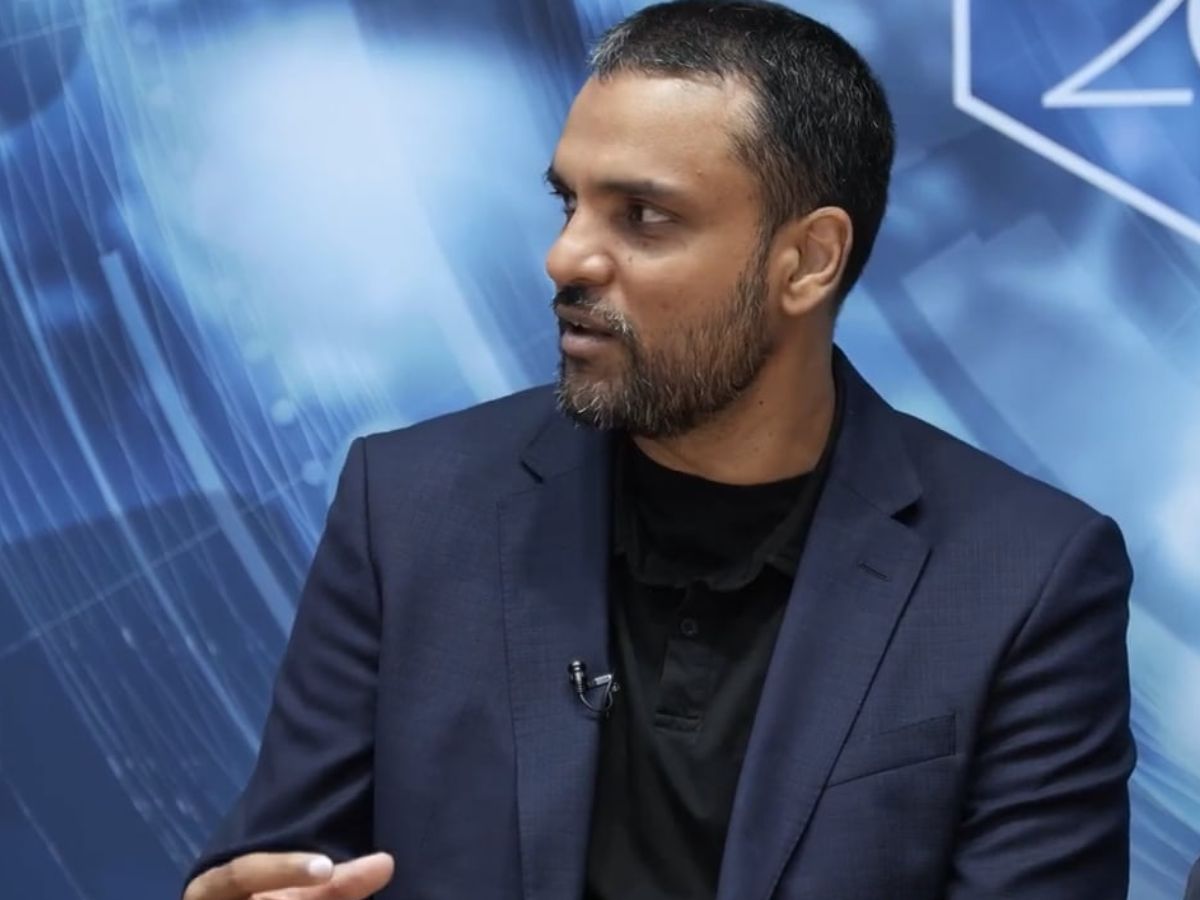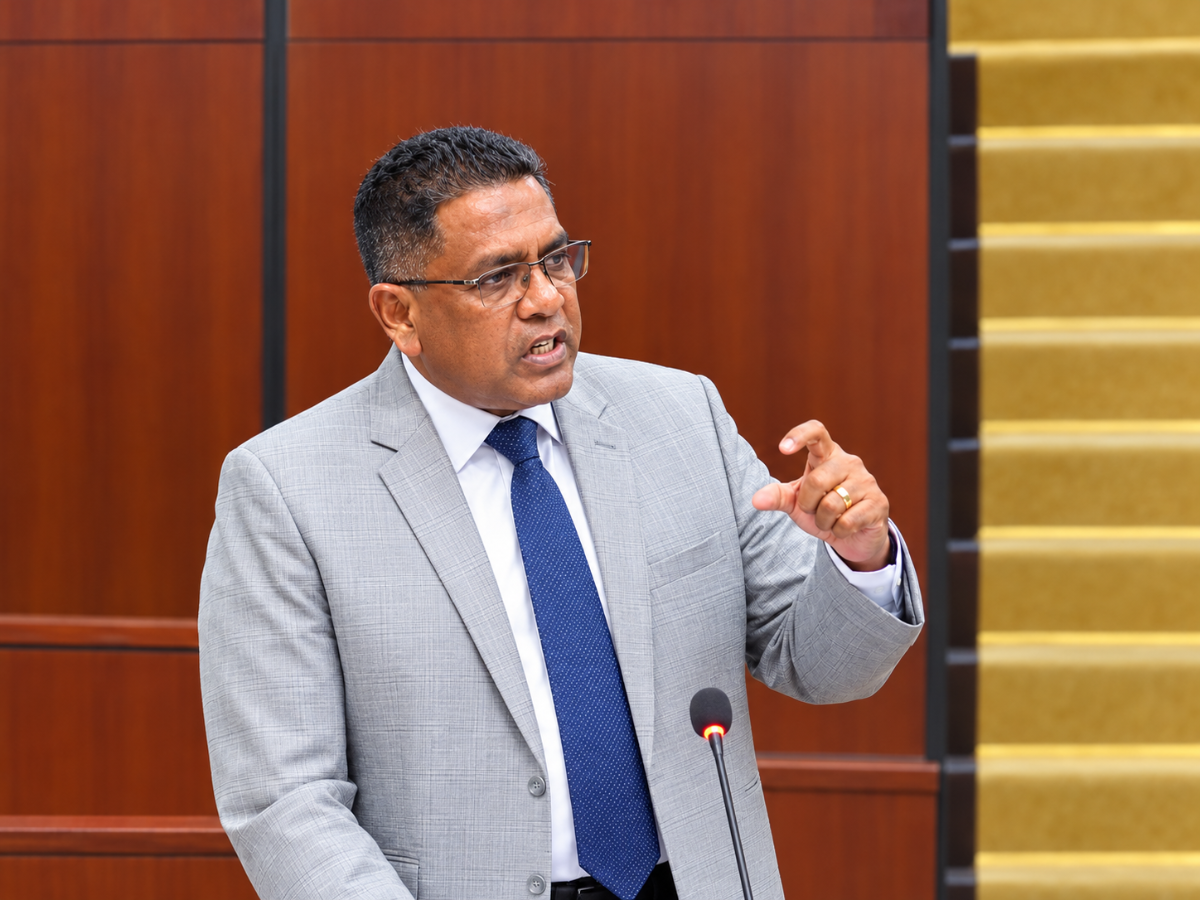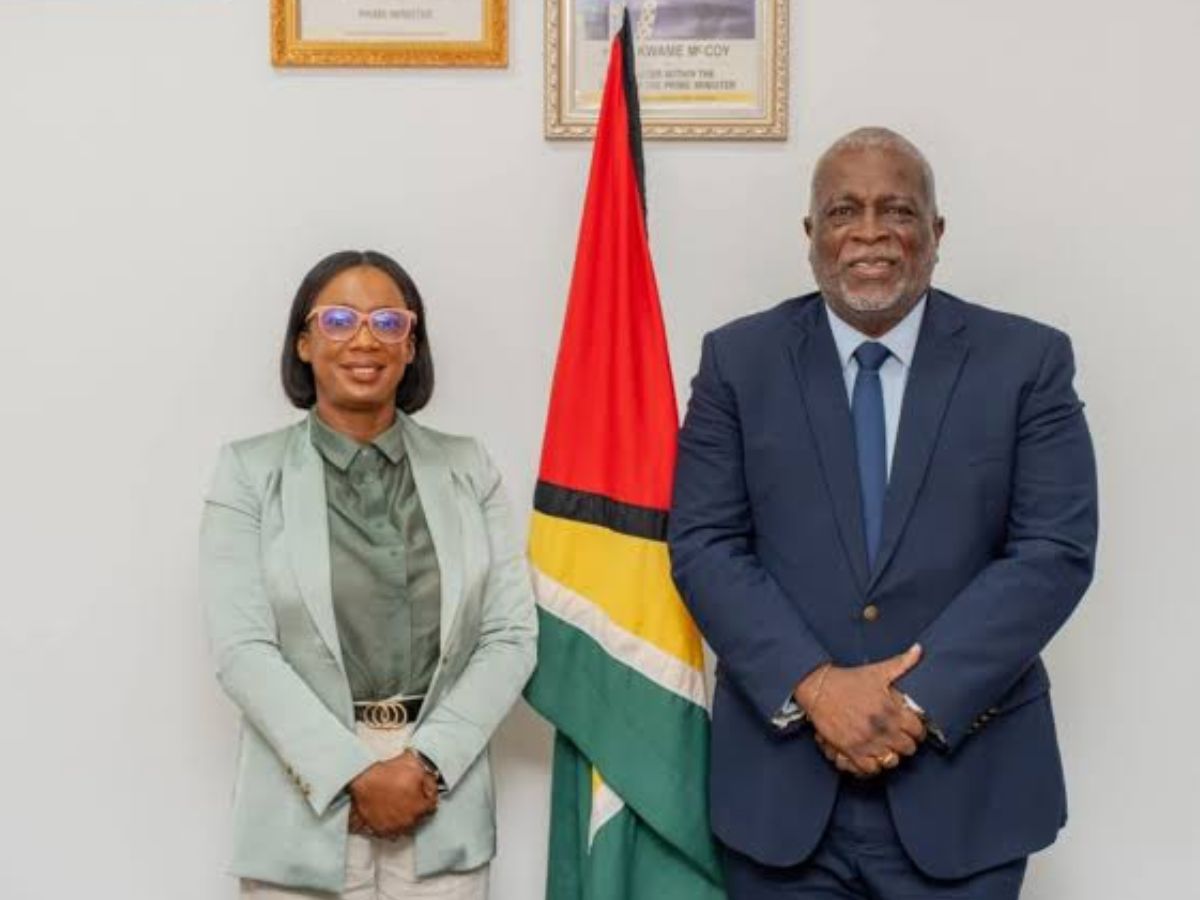
The Guyana Development Bank has appointed its first board of directors as it begins operations on 5 October. Abu Zaman is chairman and Kathy Smith is deputy chairperson. The seven-member board will serve an initial term from 5 October 2026 to 31 December 2027.
Mr Zaman has more than a decade of senior experience in retail and small business banking. He is chief administrative officer of ENet, chairman of the Small Business Council and chairman of the Public Accountability and Oversight Committee of the Natural Resource Fund. He holds an MBA in leadership and innovation and a bachelor's degree in management. Ms Smith is the first woman to serve as president of the Georgetown Chamber of Commerce and Industry and is vice chairperson of the Private Sector Commission. She has more than 20 years of public and private sector experience and says she wants to advance women and young people in the economy.
Among the other directors, James Bond is an attorney of 24 years' standing, a People's Progressive Party/Civic (PPP/C) Member of Parliament and senior legal adviser to the Ministry of Public Utilities and Aviation. Sukrishnalall Pasha is Finance Secretary in the Ministry of Finance, chairs the Bureau of Statistics and is a senior lecturer at the University of Guyana. He has previously served as a commissioner of the Public Procurement Commission.
Dion Inniss has more than 25 years in the airline industry and is sales executive for Guyana and Suriname at Caribbean Airlines. He is also third vice-president of the Guyana Football Federation. Nalinie Singh specialises in governance reform and sits on the Competition and Consumer Affairs Commission. Praem Rambharak, a former columnist and educator, has helped set up several small businesses over two decades and belongs to the President's Youth Advisory Council. He holds a doctorate in management.
The bank traces its origin to the PPP/C manifesto, which promised a development bank for small and medium-sized enterprises offering zero-interest micro-credit, with mentorship where appropriate. Budget 2026, presented to the National Assembly on 26 January, provided for zero-collateral, zero-interest loans of up to $3 million each for bankable small business projects. The report did not say how the loans will be funded, how many are expected or how applicants will be assessed.
The legislation moved quickly. The budget was approved on 14 February. The Guyana Development Bank Bill 2026 was published in the Official Gazette on 4 June and had its first reading the next day. It passed its second and third readings on 27 July and received presidential assent on 30 July. The minister signed and gazetted a commencement order on 16 September, setting 5 October as the date the Act takes effect.
Two of the seven directors hold government or party roles. Mr Bond sits in Parliament for the governing party and advises a ministry, and Mr Pasha is the most senior civil servant in the finance ministry. The announcement did not explain how the bank's independence from government will be protected, or whether the board will have a say in lending decisions or leave them to management.
Several matters were not reported. These include the bank's starting capital, the name of its chief executive, the date it will begin accepting loan applications and the criteria for judging whether a project is bankable. Zero-interest lending carries costs, and the statement gave no indication of how the bank will cover them or manage defaults.
The opposition has not commented in the material published. Independent economists and small business groups could assess the governance arrangements, the lending terms and whether the model is sustainable. For now, the bank has a board and a legal basis, and the details of how it will lend remain to be set out.