Sources familiar with the discussions say ExxonMobil has informed the Guyanese government that its oilfields require more offshore gas to reach maximum crude output than officials had anticipated. That could reduce the volume available for liquefied natural gas (LNG). The account rests on two unnamed people, and neither the government nor the company has confirmed the figures.
The government is considering two options. It could shrink the planned LNG project, or it could drop exports and reserve the gas for domestic power generation and petrochemical plants. The sources said no final decision has been made and that a smaller project is the most likely result. Such an outcome would set back Guyana's ambition to become a regional energy supplier while its oil and gas output keeps rising.
The sources said the consortium led by Exxon, which also includes Chevron and CNOOC, estimates that it will need around 2 billion cubic feet of gas each day to return to its fields. Reinjection means pumping gas back into reservoirs to keep up pressure. The group needs it, the sources said, to meet crude production targets at projects the government has already approved. Neither side has published the figure.
Fulcrum LNG would bear the impact. The US company was selected by the government in 2024 to build and run gas facilities in Guyana. The sources said the project could begin at up to 3 million tonnes a year, half the 6 million tonnes originally envisaged, and grow later. Fulcrum has not replied to a request for comment.
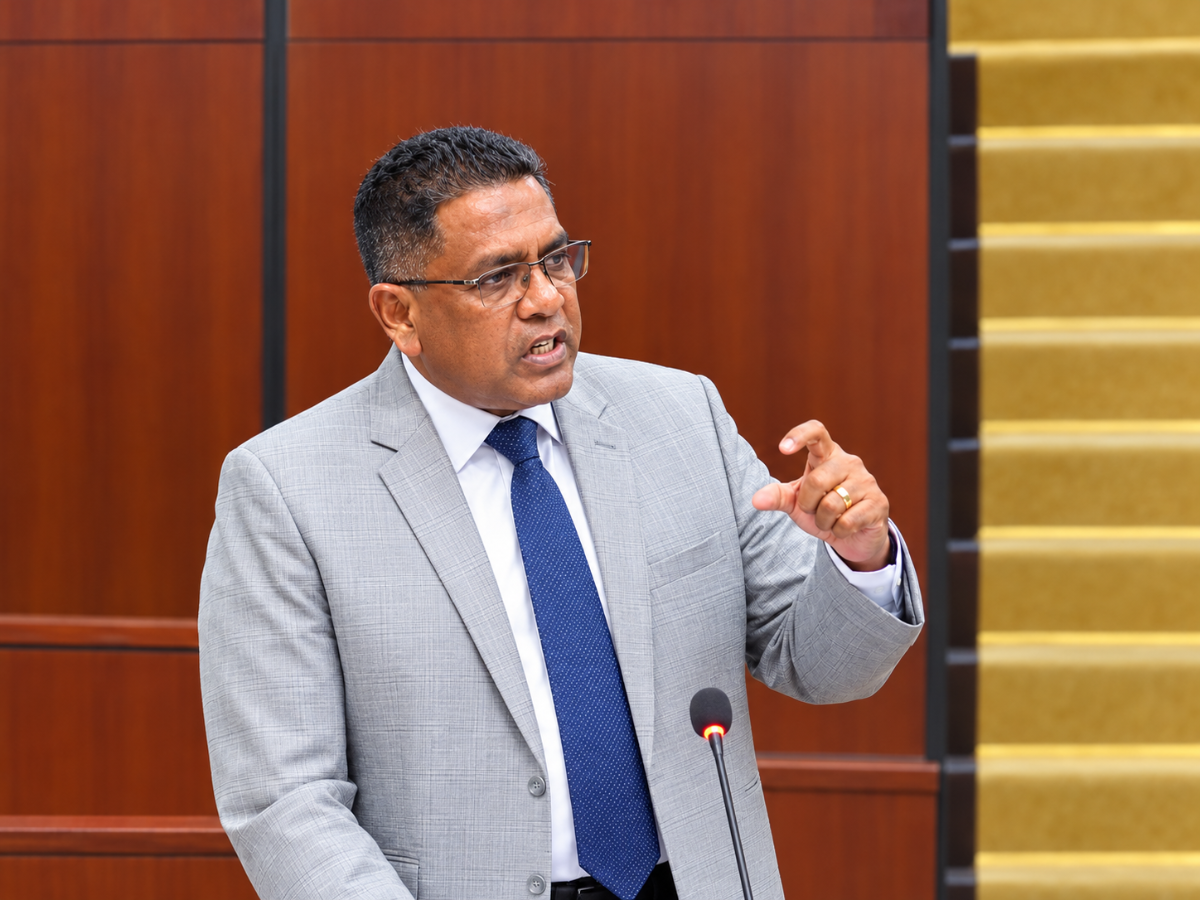
The government has urged the Exxon-led group, which holds control of all crude and gas output in the country, to deliver the largest possible gas volumes so that Guyana can earn revenue from its reserves. Vickram Bharrat, the Natural Resources Minister, said earlier this year that officials wanted a clearer picture of how much gas is available. He did not comment on where the talks stand when approached this week. One source said Exxon is still working out how much gas its fields can supply, what it would cost and how long it would take.
According to the sources, the absence of a decision is causing frustration among prospective investors. They said President Irfaan Ali's administration is focused on getting a gas-fired power plant running soon. Plans for a bauxite-to-alumina refinery, fertiliser manufacturing and large data centres are expected to be pushed back.
An ExxonMobil spokesperson said the company is working with the government on plans designed to recover as much of the resource as possible and deliver value to Guyana. The spokesperson said gas projects need supply and demand to grow in step. The statement does not confirm or deny the sources' figures.
The talks take place against a large resource base. Exxon's Stabroek block holds almost 11 billion barrels of oil equivalent in recoverable resources, and the company has plans for up to eight offshore developments there by 2030. The group's fifth floating production vessel reached Guyana in August and is due to begin operations before the end of 2026. In May, the group asked the government to approve Haimara, its ninth project in the country. Haimara and the eighth project, Longtail, are expected to produce non-associated gas and condensate, meaning gas that does not come out of the ground alongside oil.
What happens next depends on the government's choice between a smaller export project and a domestic-only plan. Until it decides, investors have no firm basis for planning, and Exxon's gas estimates remain unpublished. No figures from the government, Exxon or Fulcrum were available to confirm the sources' account, so the scale of any reduction remains unverified.