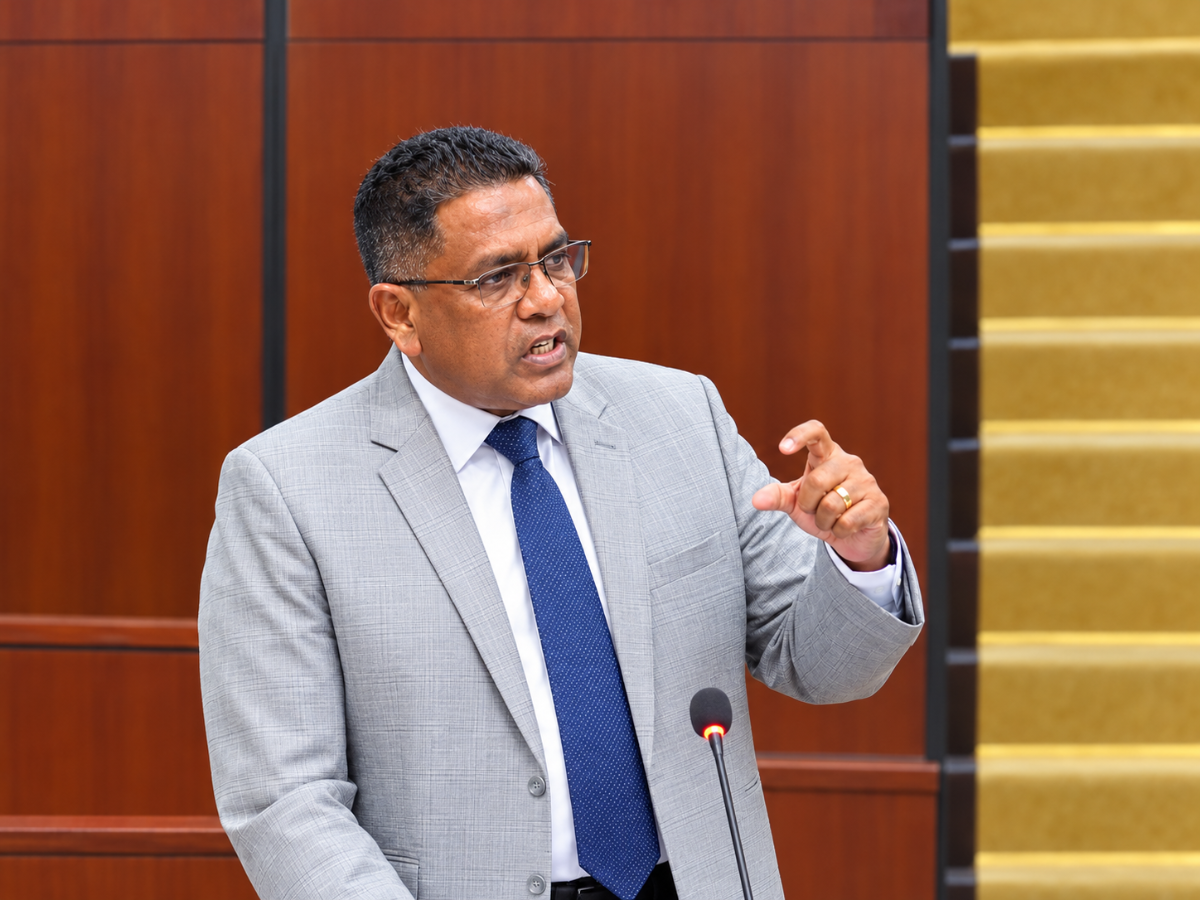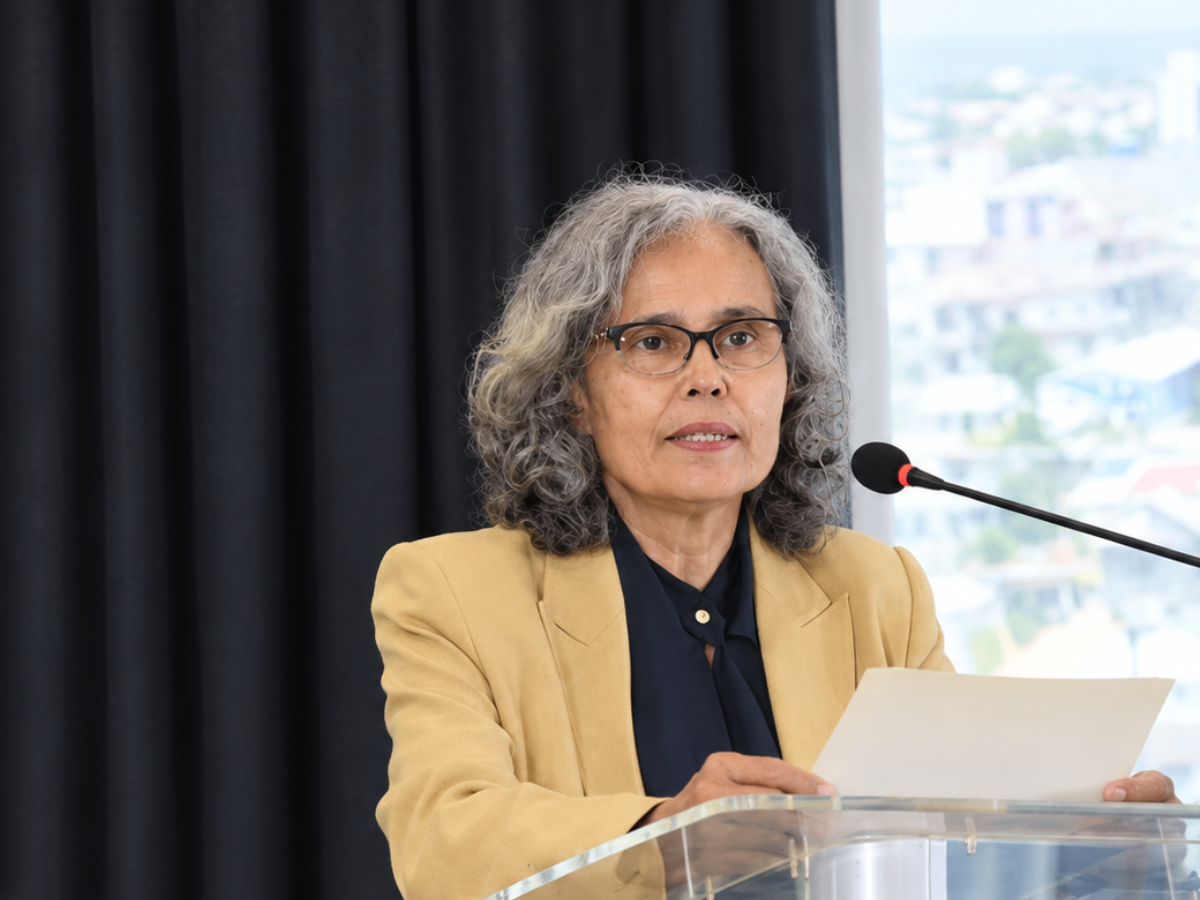
Trade between Guyana and Brazil reached about US$800 million in the first eight months of 2026, a rise of 25 per cent on the same period last year. Brazil's ambassador, Maria Cristina de Castro Martins, gave the figure on Monday at the World Trade Centre Georgetown's International Trade and Investment Conference. She used the speech to press for direct flights, an updated trade agreement and rules to accompany new road links.
Martins said bilateral trade exceeded US$1 billion in each of the three years from 2023 to 2025. Earlier this year she put the flow at about US$58 million in 2020, and attributed the growth to energy, mining, infrastructure and construction. The composition is uneven. Guyana sells mainly crude oil to Brazil, while Brazilian exports to Guyana cover a wider range of goods. Foreign Secretary Robert Persaud said in May that the balance remains heavily in Brazil's favour, pointing to differences in competitiveness, scale and productive capacity between the two economies.
Air travel was the first of her proposals. She said the lack of a direct link leaves a gap in trade and travel, and argued that business people should not have to pass through distant hubs to meet counterparts in a neighbouring country. The Brazilian Embassy has helped put Guyanese aviation companies in touch with Brazilian counterparts interested in exploring services, and Martins said she hopes commercial conditions will make a route viable. She also linked better air connections to investment and tourism.
Agriculture and agro-processing were named as the main areas for widening trade. Martins said Brazil has followed Guyana's efforts to raise farm output, develop processing and become a regional food producer. She listed possible co-operation in machinery, inputs, food processing, storage, logistics, animal production, technology and technical assistance. The case rests on shared conditions. Northern Brazil and Guyana have similar climates and some of the same logistical difficulties, and they share a land border that she said should become an economic connection.
On the ground, Martins welcomed the imminent completion of the Linden-Mabura Hill Road. She called it a tangible example of what better connectivity means in everyday life. She then set a limit on what a road can achieve. "A road alone does not create integration," she said, and added that rules are needed so that people, businesses and goods can use it efficiently. Customs, border and transport procedures are the likeliest subjects of those rules, though she did not list them.
She also addressed the legal framework. The trade agreement covering Brazil, Guyana and some Caribbean countries has been in force for more than two decades, and she said there is clear scope to modernise it and broaden the preferences it gives to businesses. The proposal sits alongside another track. In May Martins said Brazil would support exploratory talks between MERCOSUR members and Guyana if Georgetown seeks closer integration with the bloc.
Her closing argument concerned Guyana's position between two regions. She said Guyana is a member of CARICOM and a Caribbean country, and is also South American, a fact that improved infrastructure is making more relevant to its economy. Stronger roads, transport links and business relationships, she said, could turn that proximity into practical benefits.
Several questions remain open. The US$800 million figure covers eight months, so the full-year total will not be known until early next year. Crude oil still accounts for most Guyanese sales to Brazil, and the proposals on farming and flights are designed to change that over time. A direct air route depends on commercial decisions by carriers, and a revised trade agreement would need the agreement of every party to the existing one. The ambassador set out a programme that links these pieces, but the conference did not produce any announced commitments.