A senior government finance official has called for a renewed drive to move all National Insurance Scheme pensioners onto automated bank payments, as figures show more than 40,000 recipients still collect their funds in person each month.
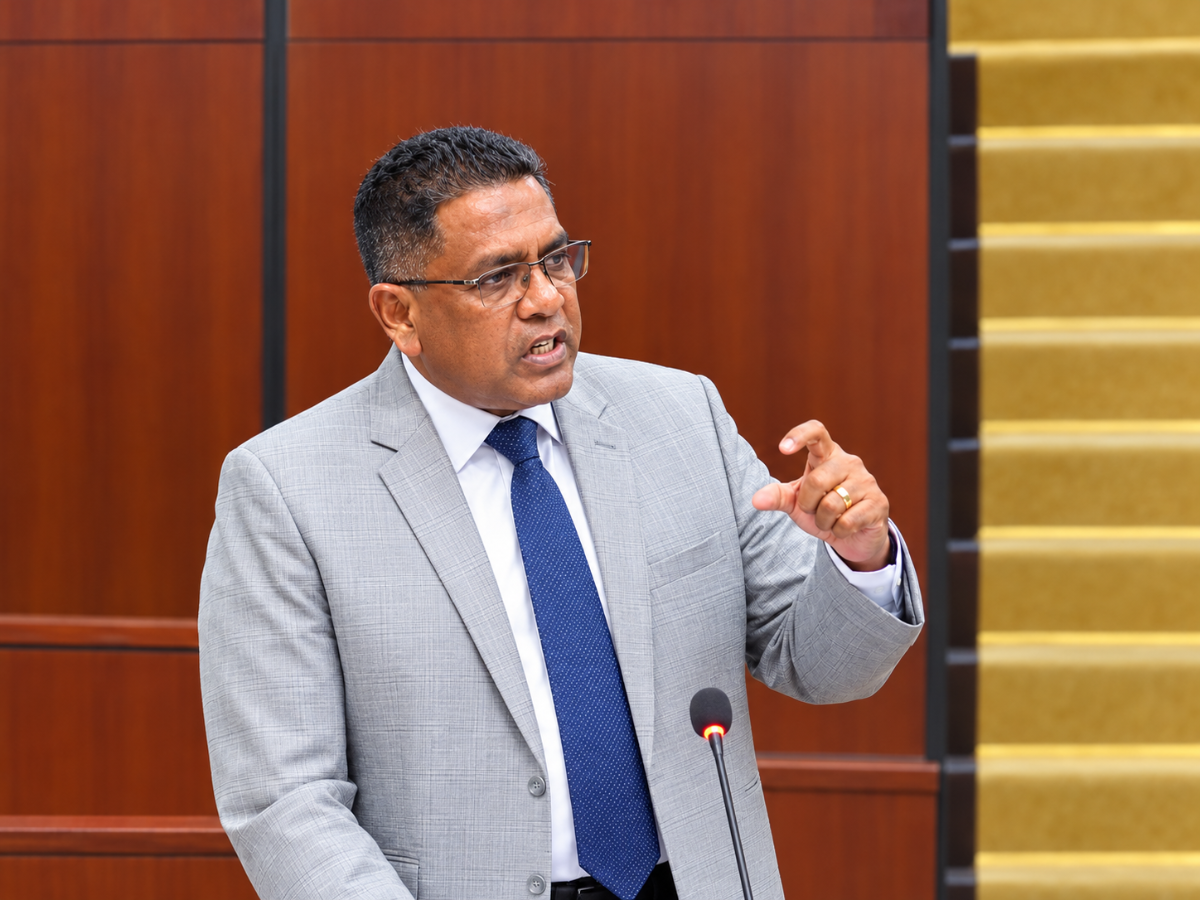
Speaking at the scheme's 57th Anniversary General Assembly, the official said direct deposit numbers had grown steadily but remained far short of full coverage. Just over 20,000 pensioners, precisely 20,454, now receive payments digitally, up from roughly 11,000 in late 2020. The scheme's management was directed to intensify outreach so that the remaining majority of members make the switch.
The push comes amid growing concern about the practical burden placed on elderly citizens who continue to collect payments physically. Under the traditional system, a pensioner must travel to an administrative office, often at some distance from home, and wait in a queue before receiving their funds. Many then make a second trip to a bank branch to deposit or cash the payment, effectively doubling the journey required to access money that is meant to support daily living costs.
Officials pointed to the cumulative expense of these journeys. Bus and taxi fares, repeated across multiple trips each month, can quietly erode a portion of the pension itself, particularly for those living outside urban centres where transport options are limited or costly. For pensioners on fixed incomes, this represents a recurring drain that direct deposit would eliminate entirely.
The benefits of automated payment are, in the government's telling, straightforward. Funds arrive in a recipient's bank account without the need to queue, freeing up time and removing the physical strain of standing for extended periods, an issue that disproportionately affects older members of the scheme. Alongside this shift, officials highlighted newer digital conveniences designed to reduce administrative friction further. Pensioners can now submit life certificates, a routine requirement to confirm continued eligibility, through messaging platforms such as WhatsApp rather than presenting themselves in person.
Not every aspect of the current system is viewed as purely burdensome, however. Officials acknowledged that collection day has taken on a social dimension for many pensioners, who treat it as an opportunity to meet former colleagues and friends they might not otherwise see regularly. This informal gathering has become, in some communities, as much a part of the routine as the payment itself.
The official addressed this directly, arguing that social contact and financial administration ought to be separated. Pensioners wishing to see old colleagues should be free to arrange that independently, rather than relying on a queue for a government payment to provide the occasion. The suggestion was not that community ties be discouraged, but that they should not depend on an inefficient collection process to persist.
Looking ahead, the government's stated aim is near-total adoption of direct bank deposits across the scheme's pensioner base. The initiative sits within a broader policy agenda focused on financial inclusion and the modernisation of citizens' access to digital banking. Officials framed the shift not merely as an administrative upgrade but as part of a longer-term effort to bring elderly citizens, who have historically been underserved by digital financial services, into a system that better reflects current technology and reduces unnecessary hardship.
Whether the remaining 40,000 pensioners will move as readily as officials hope remains uncertain. Habits formed over decades of physical collection, along with the social routines built around them, are unlikely to shift quickly on the strength of an announcement alone. The government's task now is to demonstrate that the promised convenience translates into real change at the counter, or rather, the absence of one.