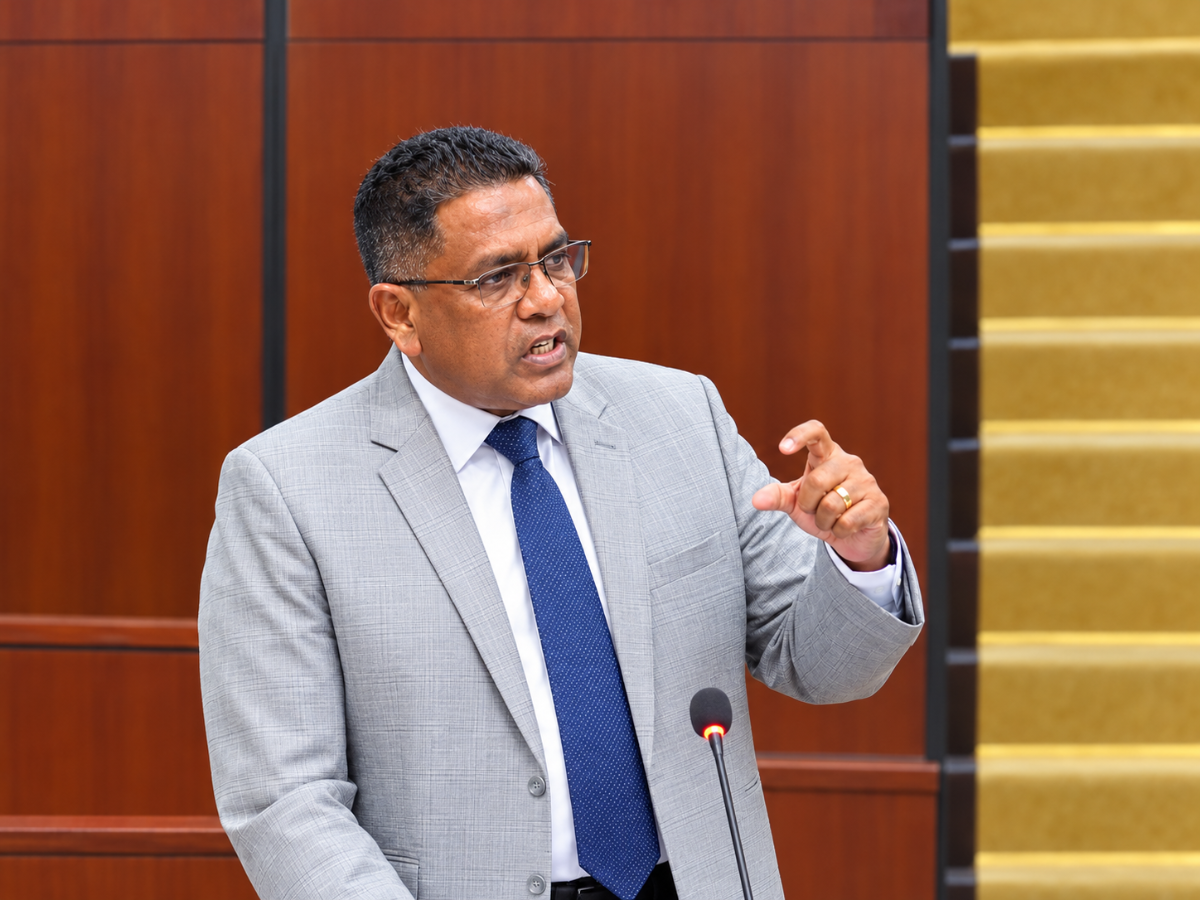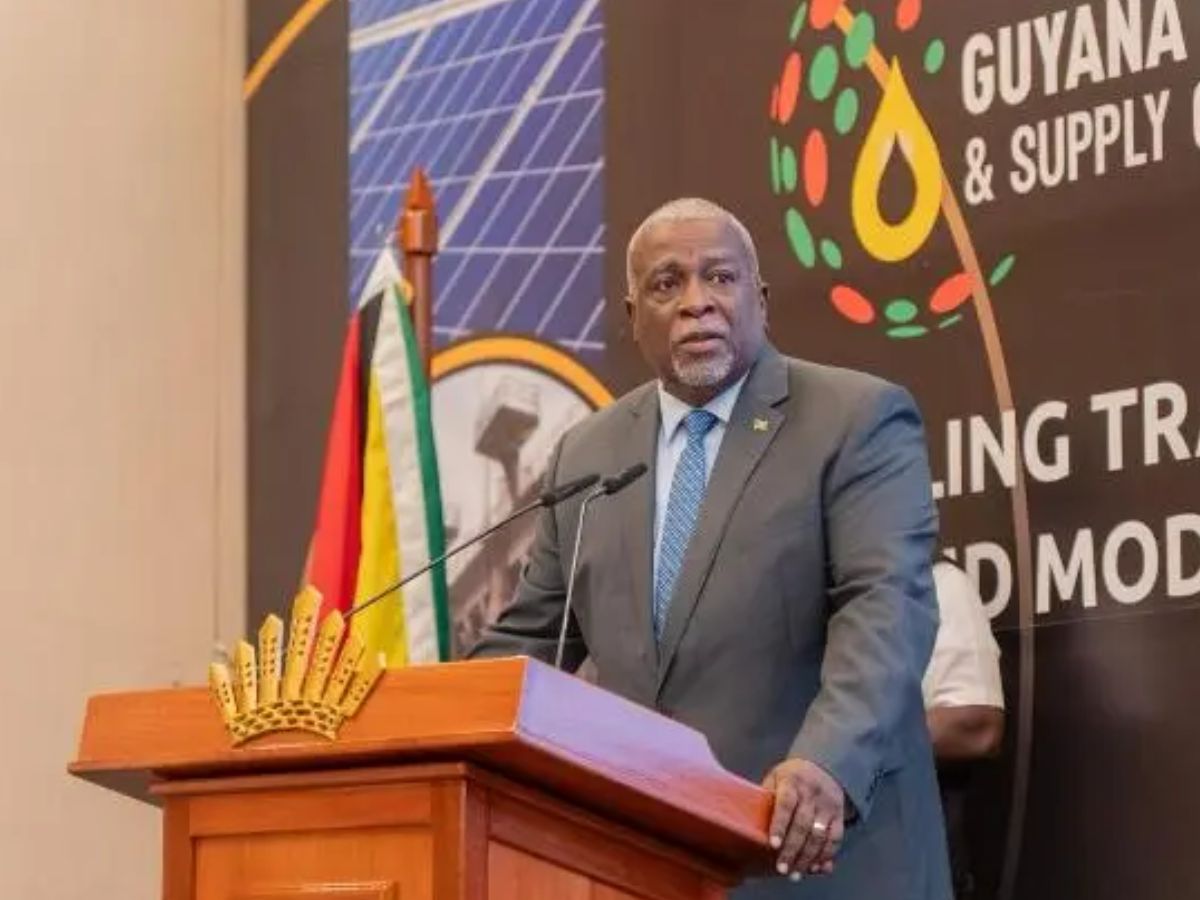
The government has committed to moving Indigenous communities away from subsistence farming towards commercial agriculture, pairing planned increases in production with guarantees of market access so that farmers are not left exposed when yields rise. Prime Minister Mark Phillips set out the policy during heritage celebrations in Bumbury, Region One, framing it as a shift in how rural development is approached across the country.
Central to the plan is direct support for farmers seeking to diversify what they grow. Officials have distributed tens of thousands of coffee plants along with millions of dollars in planting materials intended to broaden the range of crops cultivated in Indigenous villages. Agricultural extension officers have also been deployed to work alongside farmers, offering technical guidance on cultivation methods and crop management.
The government is also seeking to move farmers up the value chain. New processing facilities, including those for ginger and turmeric, have been established to allow communities to sell finished or semi-finished goods rather than raw commodities, which typically fetch lower prices. Officials argue that processing locally captures more value for farmers and reduces their dependence on buyers of unrefined produce.
Logistics remain a persistent obstacle in many riverine and remote areas, and the government has allocated transport assets to address this. Hundreds of tractors have been distributed alongside boats and minibuses, aimed at easing the movement of goods from isolated farming areas to markets and commercial hubs. Heavy machinery, including excavators and pontoons, has been assigned to improve drainage and irrigation in low-lying zones used for cultivation, work that officials say is necessary before any expansion in production can be sustained.
Bumbury itself has been presented as an example of how the wider policy might work at village level. The community has received funding for a new sewing centre, housing renovations, and solar street lighting, financed in part through carbon credit initiatives under the Low Carbon Development Strategy. Phillips said such upgrades reflected a governance approach in which development priorities are determined by village leaders and residents rather than set centrally from Georgetown. He said this bottom-up model was intended to ensure that spending reflects what communities themselves identify as priorities, rather than decisions made without local input.
The Bumbury investments sit within a much larger national programme. According to government figures, several billion dollars have been directed towards Indigenous communities over the past five years through a combination of development funds and low-carbon financing mechanisms. Officials describe this as the most significant sustained investment in Indigenous areas in the country's history, though independent verification of the full scope of spending has not been made public in detail.
Supporting this agricultural push is a broader effort to modernise infrastructure in Indigenous areas. Off-grid power generation capacity has expanded sharply, rising from under two megawatts to more than seventeen megawatts, according to government data. Officials say this expansion has been driven mainly by solar installations in villages previously reliant on diesel generators or without reliable power at all. Nearly two hundred ICT training hubs have also been built and are now operational, intended to give residents, particularly younger people, access to digital skills and connectivity that were previously limited or unavailable in remote areas.
Taken together, officials describe the measures as an attempt to build the physical and institutional conditions needed for Indigenous communities to participate more fully in commercial agriculture, rather than treating production increases alone as sufficient. Whether the market guarantees and infrastructure investment translate into sustained income gains for farmers will depend on how effectively the processing facilities, transport networks and irrigation works are maintained once initial funding cycles end. The government has not yet published a detailed timeline for evaluating outcomes from the programme.