The Guyana-led Global Biodiversity Alliance has grown to 135 members following the addition of Blumberg Grain and Logistics, a US-based agricultural technology and logistics provider that joined the coalition after an invitation from the Alliance's Secretariat.
The expansion marks a significant increase from the 17 founding members who established the initiative at its inaugural conference in Georgetown in July 2025. Membership has climbed steadily through the year, drawing in national governments, multilateral development banks, United Nations agencies and private companies. The Global Green Growth Institute joined in August, following the World Bank earlier in the year and the United Nations, which formalised its participation through a Declaration of Intent signed in May.
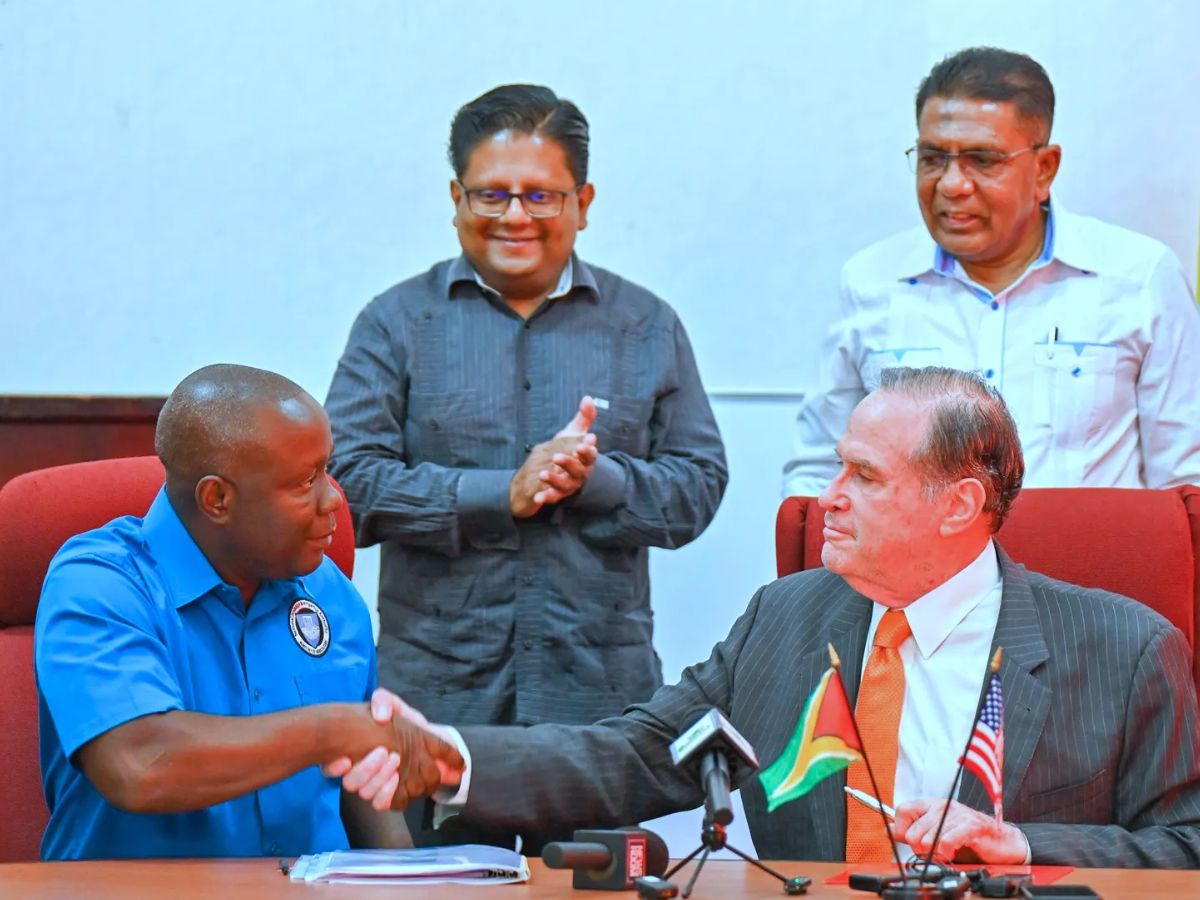
Blumberg Grain's entry into the Alliance builds on an existing relationship with the Guyanese government. The company signed a memorandum of understanding with Guyana in July 2025 to support the branding and marketing of a regional food hub under construction at Yarrowkabra, along the Soesdyke-Linden Highway. That agreement was framed around reducing post-harvest losses and strengthening Guyana's position in Caribbean and South American agricultural export markets.
In joining the Alliance, Blumberg Grain has endorsed the Georgetown Declaration, the founding document that commits signatories to raising awareness of biodiversity loss, increasing ambition on conservation action and improving access to financing for biodiversity protection. The declaration was signed by heads of state, government ministers, private sector representatives, Indigenous groups and civil society organisations at the 2025 summit, and it remains the framework against which new members align their stated commitments.
For its part, the company has indicated an intent to connect its operational focus on food security with the Alliance's conservation goals, particularly through future projects in Guyana. Its business centres on post-harvest storage infrastructure, including climate-controlled warehousing and inventory monitoring systems designed to reduce spoilage and losses in agricultural supply chains. Proponents of the Alliance's approach argue that such technology has a bearing on biodiversity outcomes because reducing food waste lowers pressure on land that would otherwise need to be brought into cultivation to compensate for losses further down the chain.
The Alliance itself was established as what its founding documents describe as an open, non-binding platform intended to complement existing international mechanisms, particularly the United Nations Convention on Biological Diversity and the Kunming-Montreal Global Biodiversity Framework. Its membership base spans a wide range of actors: national governments, development finance institutions, research bodies, Indigenous and local community organisations, and private sector firms operating in agriculture, logistics and related industries. Guyanese officials have said the intention behind this broad structure is to treat biodiversity as a cross-cutting development issue rather than one confined to environmental ministries alone.
Officials in Georgetown have pointed to the pace of membership growth as evidence of rising international interest in biodiversity financing, an area they have identified as the coalition's central priority going forward. Pradeepa Bholanath, Senior Director of Climate and REDD+ in Guyana's Office of the President, said earlier this year that the Alliance now counts all regional development banks among its members, which she described as opening new avenues for biodiversity finance.
Attention is now turning to the Alliance's second major gathering. Guyana will host the Second Global Biodiversity Alliance Conference and Financing Forum in Georgetown on 30 and 31 October 2026. The event is expected to focus on public-private conservation finance, building on themes raised at the inaugural summit and reflecting the Alliance's stated shift towards mobilising capital for biodiversity projects rather than confining its work to declarations of intent.
Whether the addition of firms such as Blumberg Grain translates into measurable conservation outcomes remains to be seen. The Alliance's non-binding structure means member commitments are not subject to formal enforcement, and the practical link between post-harvest logistics technology and biodiversity protection will depend on how such partnerships are implemented on the ground in the months ahead.