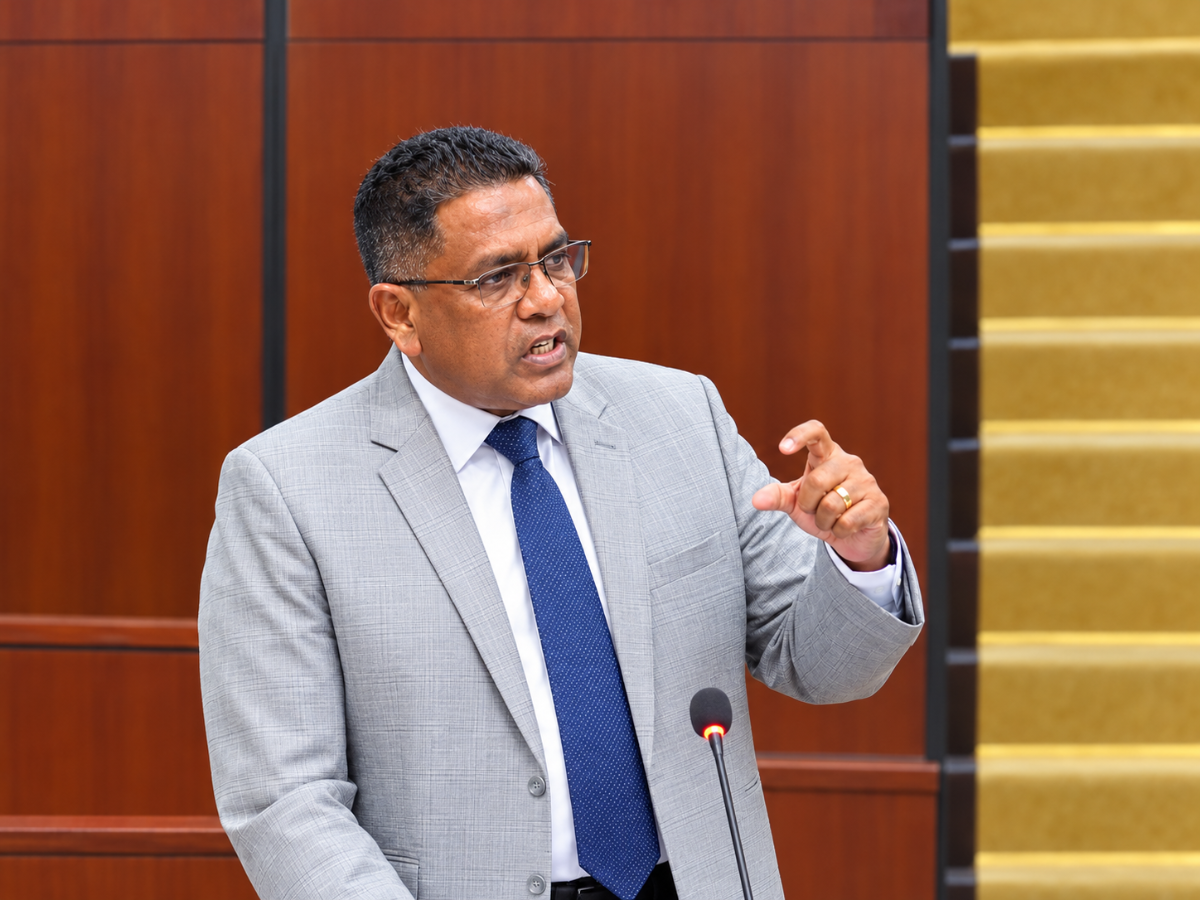
Guyana's Minister of Local Government and Regional Development, Priya Manickchand, met heads of departments and key personnel on Monday alongside Permanent Secretary Miguel Choo-Kang to review the ministry's portfolio of ongoing projects. The session set out a renewed emphasis on oversight, with officials instructed to track schemes closely from start to finish rather than intervening only once problems have already surfaced. The stated aim was to secure visible and lasting improvements to infrastructure across the country, not confined to the capital alone.
Much of the discussion centred on the ministry's national market development programme. Manickchand told department heads that projects needed to be monitored at every stage so that structural or scheduling difficulties could be caught early, before they threatened deadlines. She was direct in her criticism of contractor performance to date, calling for greater discipline on site and stronger adherence to agreed timelines and quality standards. The ministry, she said, must build a culture in which projects are finished on schedule and to specification, rather than treating delay as routine. She also credited heads of departments and their teams for the progress made so far, noting that consistent oversight across departments would remain central to delivery.
Attention then turned to Georgetown itself, where two linked initiatives are advancing in parallel. The first concerns Stabroek Market, the capital's principal commercial hub since the nineteenth century. The ministry confirmed that plans for reorganising and modernising the market area are continuing, part of a wider rehabilitation effort that has already brought structural repairs and conservation work to the site's landmark clock tower.
The second initiative involves the King's Foundation, the UK-based organisation that has been advising the Guyanese government on sustainable urban development under the country's Low Carbon Development Strategy for more than two years. Among the schemes discussed was the proposed transformation of Thomas Street Avenue, running from Lamaha Street to Church Street, as part of the Foundation's broader Healthy Streets concept. The proposal envisages converting existing roadside drainage infrastructure into landscaped, tree-lined walkways, an approach designed to improve pedestrian safety and comfort without requiring extensive reconstruction of the city's canal network. Manickchand described the avenue as a template for how future public spaces in the capital might be designed, and she urged stakeholders and residents to take an active role as the project moves forward.
Beyond the two headline schemes, officials also examined the ministry's broader beautification efforts across Georgetown. These cover more routine but persistent concerns: garbage collection that meets residents' expectations, the installation of public washroom facilities, and general upkeep of streets and public spaces. Such measures lack the visibility of a redesigned avenue or a restored market, but officials framed them as equally important to the daily experience of people living in and visiting the capital.
Manickchand closed the meeting by returning to the themes of accountability and monitoring that had opened it. She said close oversight, discipline among contractors and collaboration with the public would remain the ministry's guiding principles as it pursued a wider programme of infrastructural renewal across Guyana. The emphasis on public participation was notable given that much of the meeting had otherwise concerned internal administrative processes; by inviting residents to engage directly with the Thomas Street Avenue project, the ministry appeared keen to present the Georgetown works as a collaborative undertaking rather than one imposed from above.
Whether that invitation translates into meaningful public input, or whether the emphasis on contractor discipline produces the schedule adherence Manickchand has called for, will likely depend on how the ministry handles the practical difficulties that tend to accompany large infrastructure programmes. For now, the meeting has set out an agenda that links market redevelopment, urban redesign and civic sanitation under a single administrative push, with the minister's own department bearing responsibility for holding contractors and officials to the standards she has outlined.