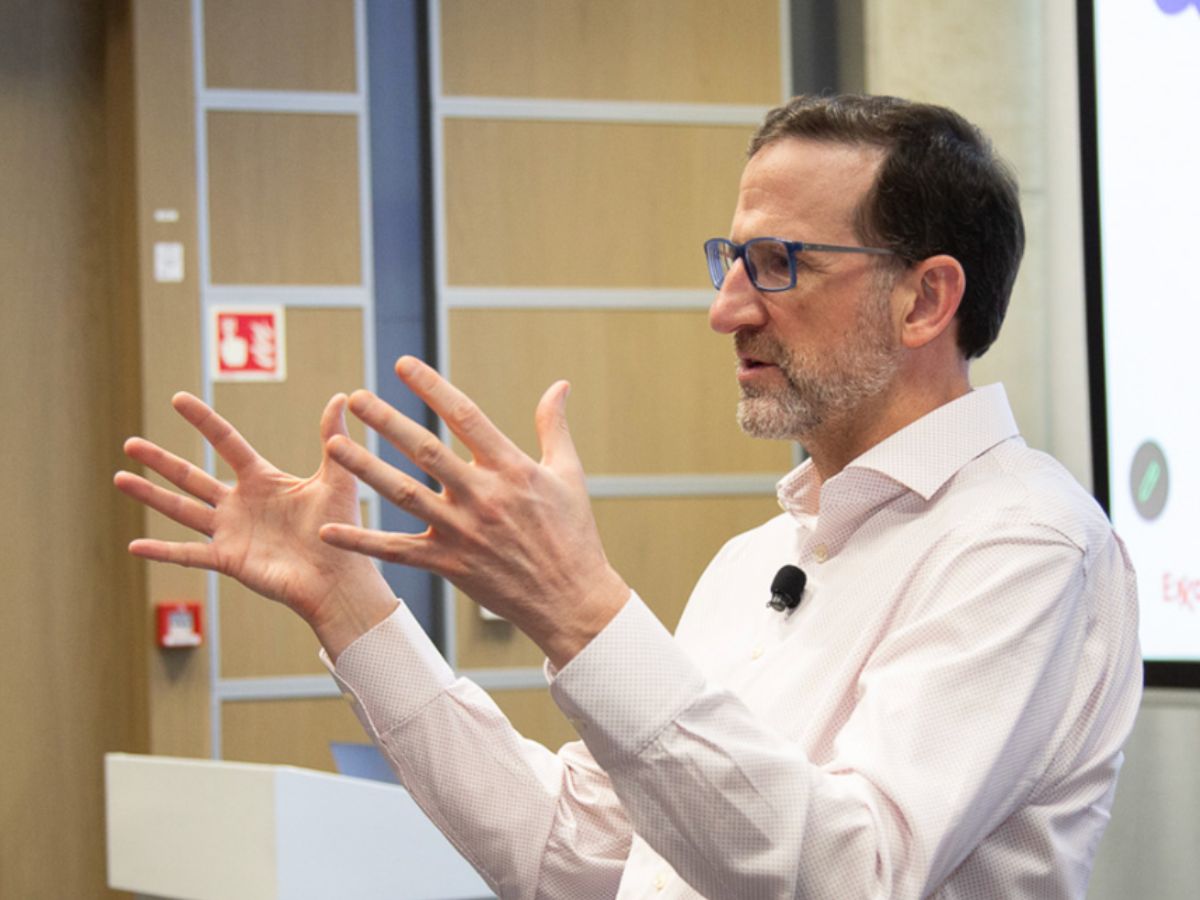
ExxonMobil's chief financial officer used a major energy conference this week to lay out the company's approach to generating steady shareholder returns through a period of volatile commodity prices and geopolitical disruption to oil supply. The presentation centred on three areas of the business: onshore production in the Permian Basin, offshore development in Guyana, and a longer-term push into liquefied natural gas and lower-carbon materials. The CFO framed the strategy around technology deployment, faster project execution and tighter capital discipline, arguing these factors matter more to future performance than the price of crude on any given day.
In the Permian Basin, the company said cost savings from its recent acquisition have reached an estimated 4 billion US dollars a year, twice the figure originally forecast when the deal was announced. The CFO attributed the improvement to the rollout of proprietary drilling and completion technologies designed to increase oil recovery from each well and to reduce the capital required per barrel produced. Executives said further efficiency gains are expected as these technologies are extended across a larger share of the acreage acquired in the deal. The pace of integration was described as ahead of internal targets, though the company did not set out a revised timeline for full deployment.
Guyana featured prominently in the presentation as the clearest example of accelerated cash generation. The company said it has now recovered approximately 55 billion US dollars in development costs from its offshore projects, roughly two years earlier than originally planned. This has been driven by strong well performance and lower than expected operating costs. The CFO acknowledged some near term adjustments to production volumes, without giving specific figures, but maintained that the region is on track to double the company's free cash flow between 2025 and 2030. Guyana has become one of the fastest growing oil provinces in the world since the first major discovery there in 2015, and ExxonMobil remains the lead operator of the offshore blocks.
On longer term investment, the company outlined plans to expand its liquefied natural gas business, including additional capacity aimed at the Asia-Pacific market. The CFO said the company is targeting up to 30 billion US dollars in earnings growth by the end of the decade, drawing on a mix of LNG expansion, frontier exploration and investment in materials such as resins and graphite, which the company sees as adjacent to its existing chemicals and refining operations. No breakdown was given of how much of the projected earnings growth would come from each area.
The presentation also addressed current conditions in global oil markets, including tensions in the Middle East that have periodically threatened supply routes. The CFO said crude prices have remained comparatively stable, helped by the release of strategic reserves and higher production from the Americas. However, the company identified global refining capacity, rather than crude supply, as the more pressing constraint on the market at present. Several refineries have closed or reduced capacity in recent years, particularly in Europe, while demand for refined products has not fallen at the same rate.
The CFO closed the presentation by describing a shift in how the company wants to be viewed by investors and the wider market. Rather than being assessed primarily as a producer of crude oil and natural gas, the company said it wants its performance judged on operational execution, its ability to adapt to changing market conditions and the pace at which it deploys new technology across its operations. No timeline was given for when this shift in perception might be reflected in the company's valuation or credit standing.