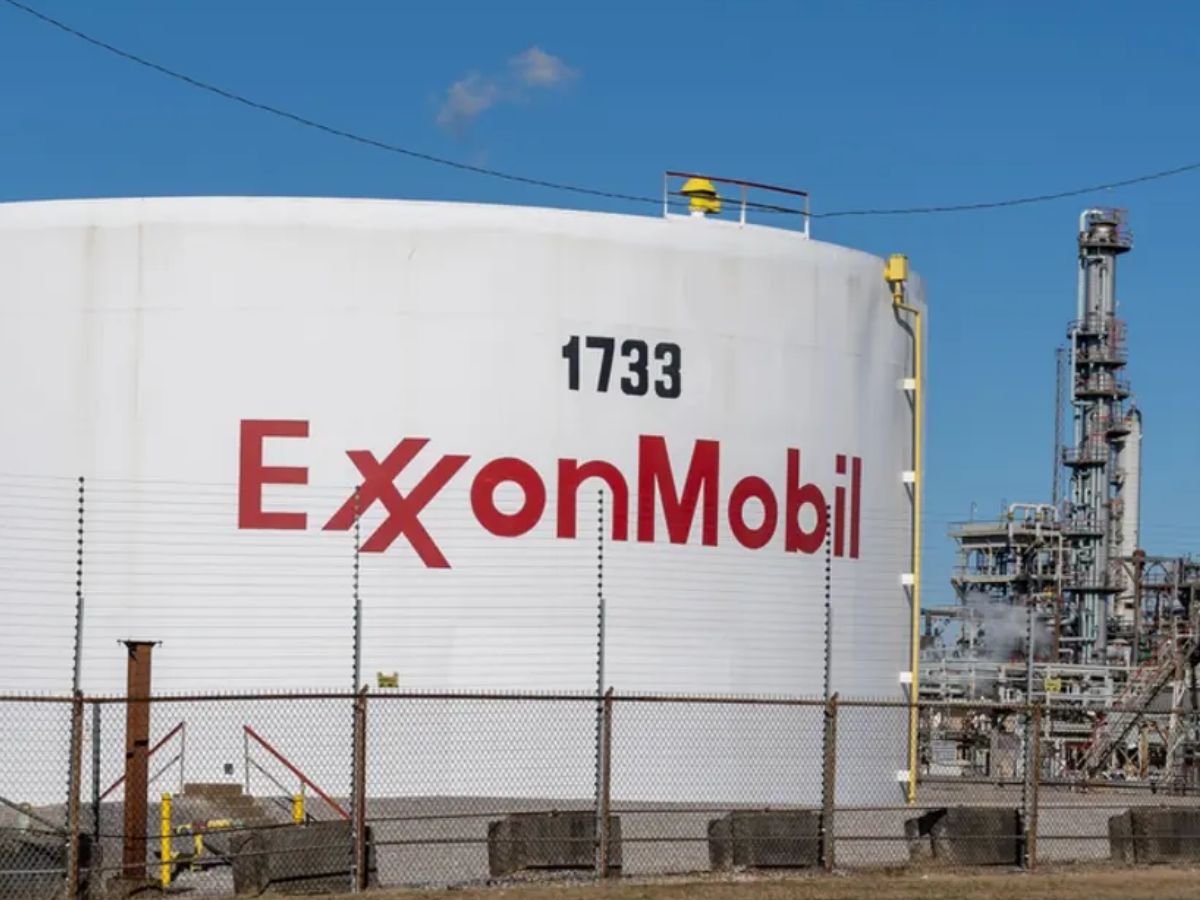
ExxonMobil has set out a ten-year strategy for its operations in Guyana that pairs continued offshore oil production with a substantial expansion of natural gas development onshore. The plan signals an attempt to shift the country's economic model away from dependence on crude exports and towards a broader industrial base built on domestic energy supply.
Guyana has become one of the fastest-growing oil producers in the world since ExxonMobil's discovery of the Stabroek Block in 2015. The company's latest outlook makes clear that exploration in the block is far from complete. Continued appraisal and drilling are intended to maintain a steady pipeline of future projects, underpinning the revenue base that the government and its partners are relying on for wider economic ambitions.
Alongside this, ExxonMobil is moving to make greater use of the natural gas produced alongside oil, much of which has historically been reinjected offshore. The nearest-term element of this shift is the Wales gas-to-energy project, which will pipe around 50 million cubic feet of gas per day from the Liza field to an integrated processing facility on the west bank of the Demerara River. The gas will supply a 300-megawatt power plant, a project expected to markedly increase the country's electricity generation capacity and reduce its reliance on costly imported fuel oil.
A second, larger phase is under consideration in the form of the proposed Berbice gas pipeline. This project would bring substantially greater volumes of gas onshore than the Wales facility, with the stated aim of supporting entirely new industries rather than simply adding to power generation. Officials and company executives have suggested that the scale of gas involved could be sufficient to attract both foreign and domestic investment into manufacturing and processing sectors that have not previously existed in Guyana.
Alistair Routledge, President of ExxonMobil Guyana, has framed the strategy as an effort to capture more value from the country's resources within its own borders. Speaking on the company's plans, Routledge said the intention was to use domestic gas to build industries that generate jobs and revenue inside Guyana, rather than exporting raw hydrocarbons and importing the finished products made from them elsewhere.
Among the sectors identified as likely beneficiaries are fertiliser manufacturing and alumina processing, both of which depend heavily on a reliable and affordable energy supply. Agriculture has also been named as a sector that could expand its reach into regional markets if power costs fall and supply becomes more consistent. Guyana's government has previously indicated an ambition to position the country as a food security hub for the Caribbean, a goal that depends in large part on the energy costs facing producers.
The strategy reflects a broader pattern seen in other oil-producing nations, where governments and companies have sought to convert resource wealth into longer-term industrial capacity rather than relying solely on commodity exports. Guyana's small population and limited existing industrial infrastructure mean the scale of the transformation being proposed is considerable relative to the size of the economy.
The Wales facility is expected to come online first, giving an early indication of how effectively gas-fired power can be integrated into Guyana's grid and delivered to households and businesses at lower cost than current supply. Its performance is likely to inform decisions on the timing and scope of the Berbice pipeline, which remains at an earlier stage of planning and has not yet received full sanction. Financing arrangements, environmental approvals and agreements with potential industrial users will all factor into when construction on the larger project can begin.
Taken together, the continued offshore exploration and the two gas infrastructure projects represent an attempt to extend the benefits of Guyana's oil wealth beyond the export of crude. Whether the country succeeds in building a diversified industrial economy will depend on execution over the coming decade, including the pace at which the Berbice pipeline moves from proposal to construction and the extent to which new industries emerge around the gas supply now being planned.