More than 400 maritime delegates, port operators and policymakers have gathered in Georgetown, Guyana, for the Caribbean Shipping Association's 56th Annual General Meeting, which runs from 25 to 28 October. Regional leaders, led by Guyana's President, Dr Mohamed Irfaan Ali, called for urgent coordination to address high freight rates, uneven trade flows and weak port infrastructure, all of which raise the cost of living across the Caribbean.
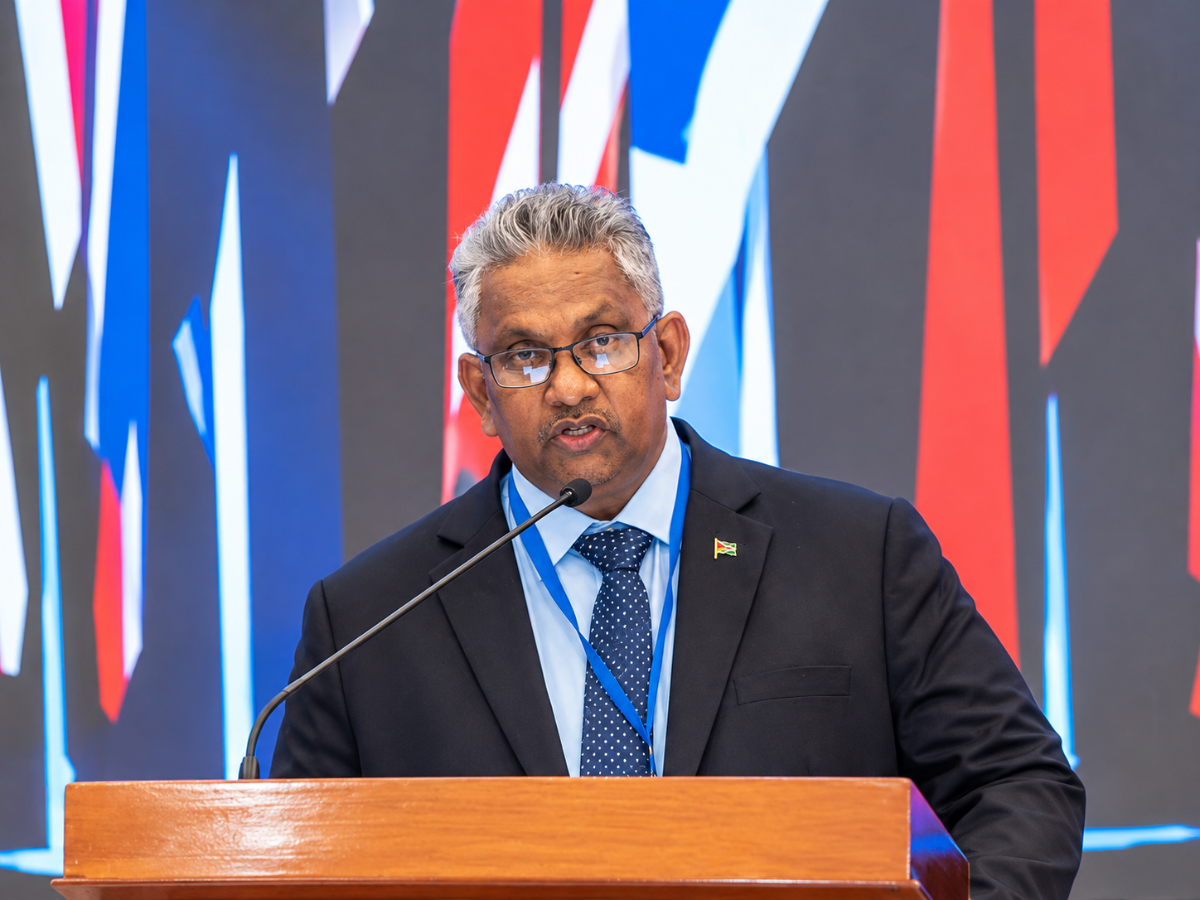
Dr Ali named five structural problems: punitive freight costs, uneven port facilities, weak trade within the region, climate shocks and geopolitical friction. He cited an International Monetary Fund working paper from May 2026, which found that every Caribbean country except Jamaica pays shipping charges well above global averages. The explanation lies partly in scale. Cargo volumes are small, and trade is lopsided, with goods arriving in far greater quantity than they leave, so vessels often sail home empty. Reliance on intermediate transshipment hubs adds further cost, through longer container dwell times, handling mark-ups and project delays.
To address these challenges, Dr Ali proposed developing a unified regional policy paper, supported by development finance institutions and private investors, to channel funding into port terminal capacity, security, navigation and digital infrastructure. He also highlighted non-tariff barriers, noting that differences in customs regulations, clearance documentation and border procedures across member states create delays, even where sufficient shipping capacity is available. He argued that harmonising these processes could significantly reduce delays without requiring substantial capital investment.
He pointed to Guyana's experience as an example of how investment can be mobilised. In recent years, the Demerara River industrial corridor has attracted around $1 billion in private investment, supporting the development of ports, radar systems and shore bases.
Dr Ali was more cautious on decarbonisation. He warned that global emissions mandates could fall hardest on small island and developing economies, which have the least capacity to absorb new costs. UN Trade and Development projects that decarbonising the world's fleet will cost between $8 billion and $28 billion a year after 2050, and could double spending on marine bunker fuel. Dr Ali urged that the cost be properly assessed before alternative fuels such as hydrogen, green methanol, ammonia, biofuels and battery power are made compulsory. His concern was that regulation set without that analysis would pass the expense to consumers in countries that already pay more than most for imported goods.
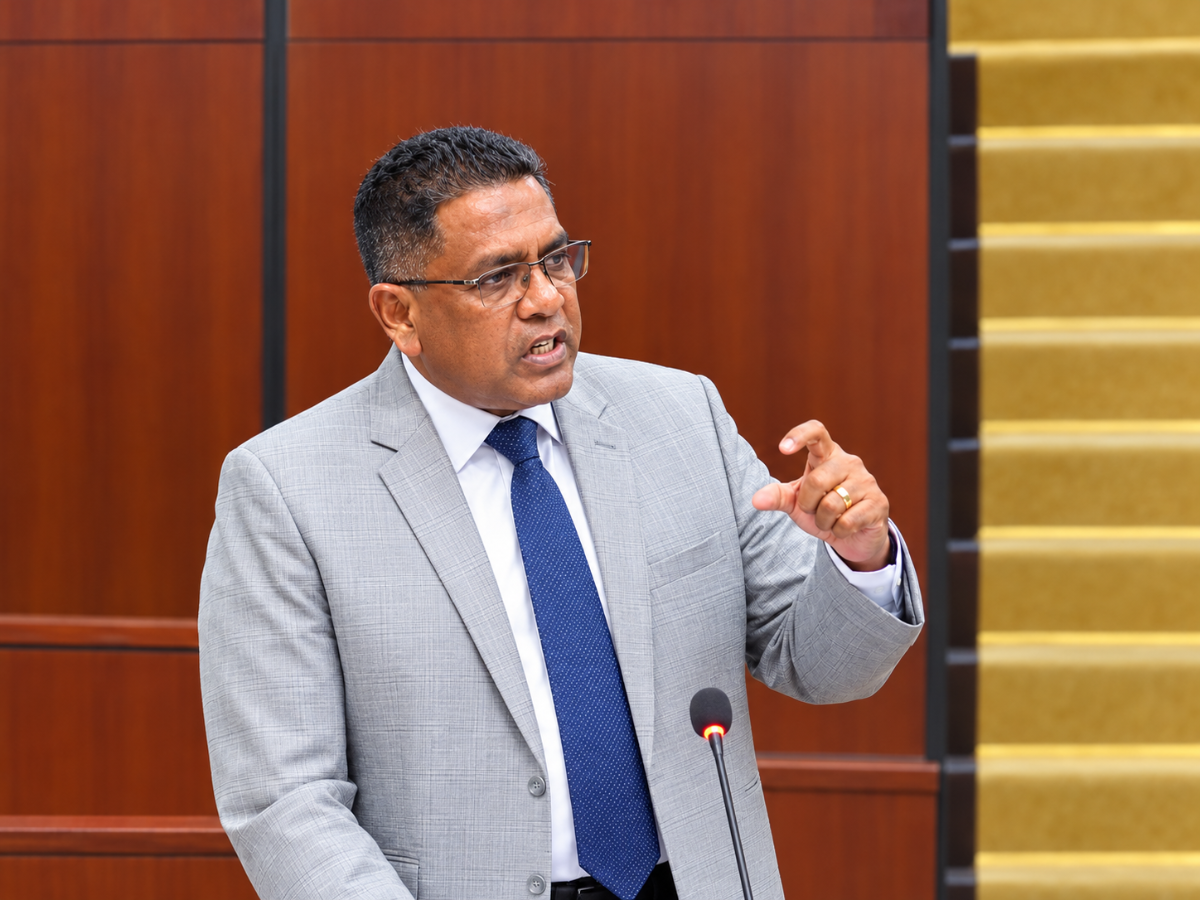
Deodat Indar, the Minister responsible for the sector in Guyana, set out how the country sees its own role. He described a plan to make Guyana a multimodal logistics corridor linking northern Brazil and the rest of northern South America with the Caribbean basin. Cold-storage facilities and regional food terminals would underpin the corridor, giving Caribbean importers a closer source of supply and giving South American producers a route to the region's markets. The ambition would shorten supply chains for food, a major item in household budgets across the islands.
Security also featured in the speeches. Both leaders called for coordinated regional surveillance to counter so-called dark fleet operations, in which vessels evade oversight by hiding their ownership or movements. They linked these ships to illegal flag registrations, sanctions evasion and smuggling networks. Legitimate operators, they said, are the ones harmed, because illicit traffic undermines the rules and reputation on which lawful trade depends.
The speeches left some questions open. Neither leader gave a date for the proposed policy paper or named the institutions that would finance it, and the harmonisation of customs rules would need agreement from governments with different priorities and administrative capacity. Guyana's corridor plan also depends on infrastructure that has yet to be built.
For shippers and consumers, the immediate interest lies in whether the meeting produces commitments that can be measured. Freight rates, dwell times and clearance delays are all figures that port authorities and the association can publish. If member states accept shared targets for them, the next annual meeting would offer a clear test of progress.