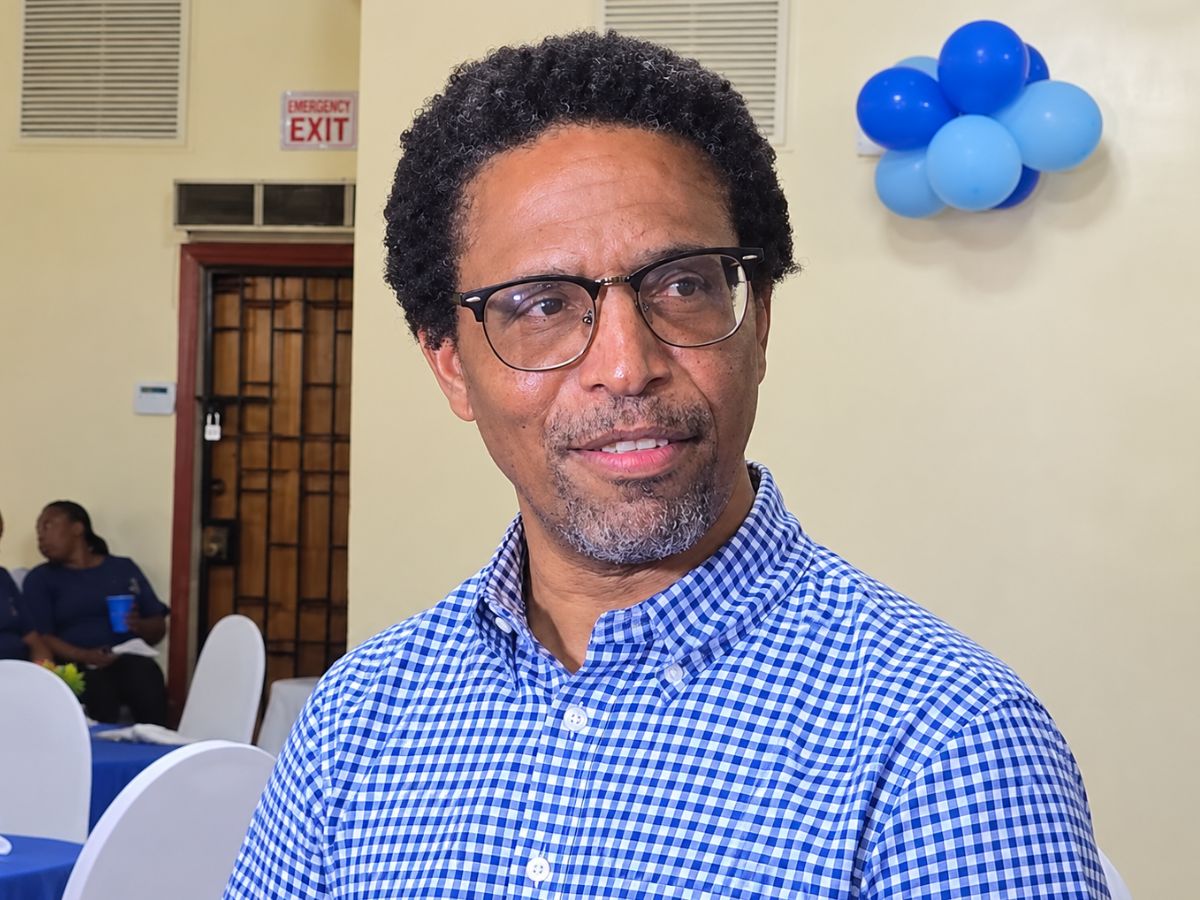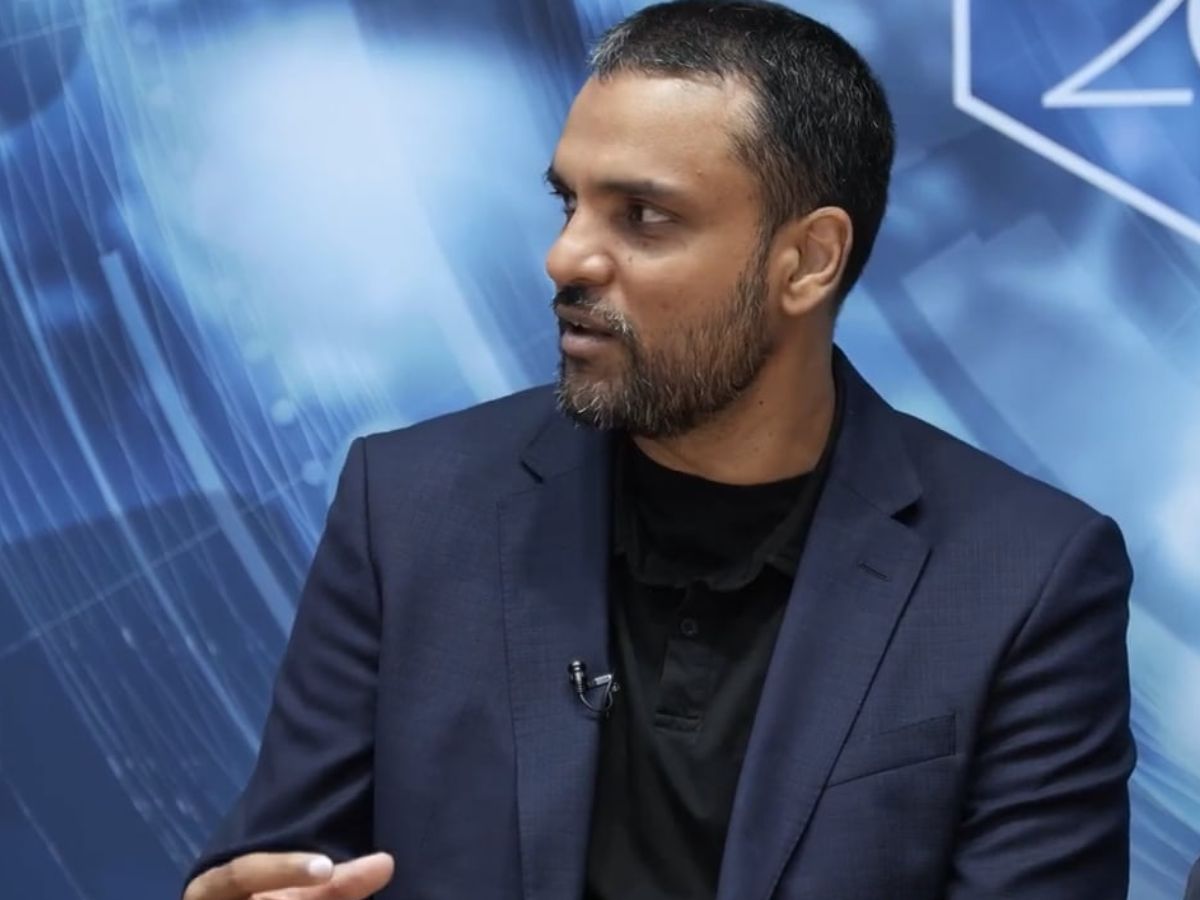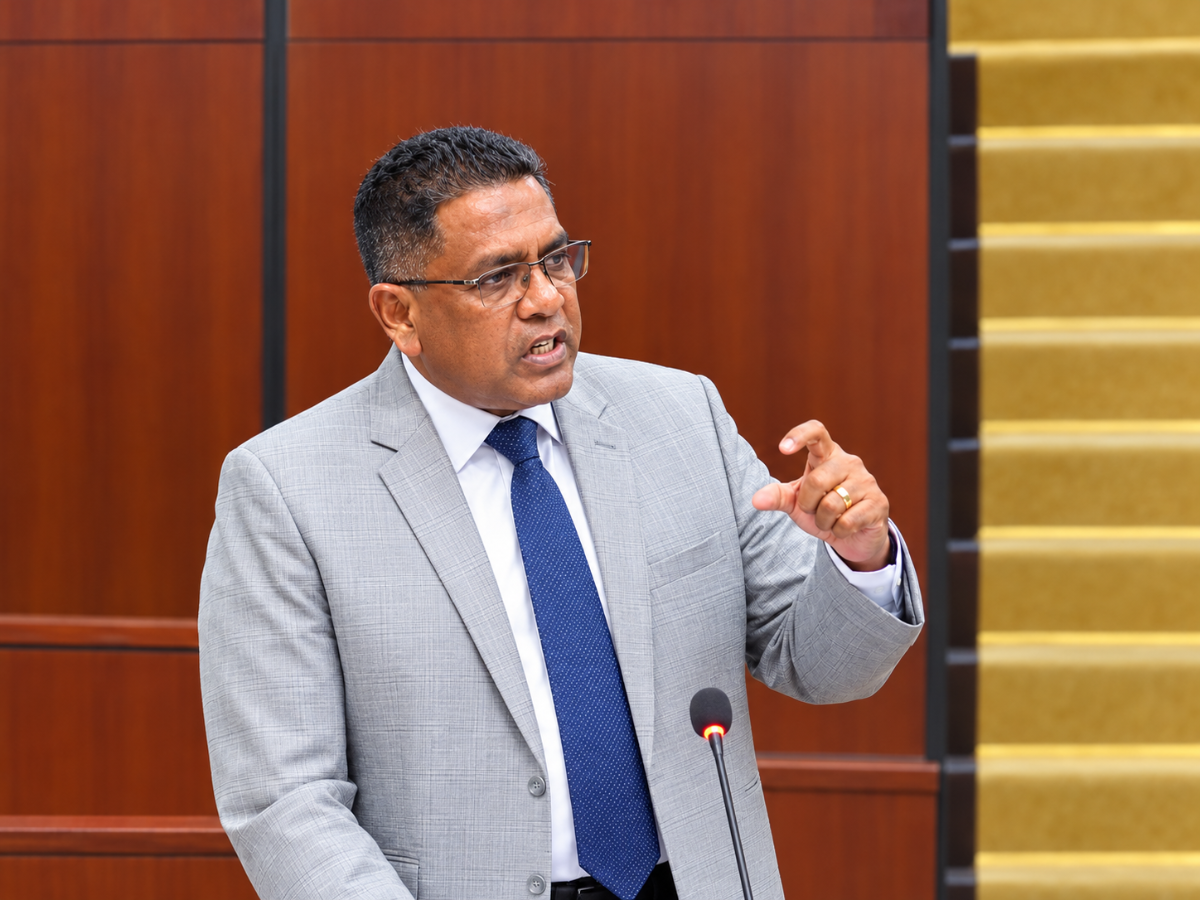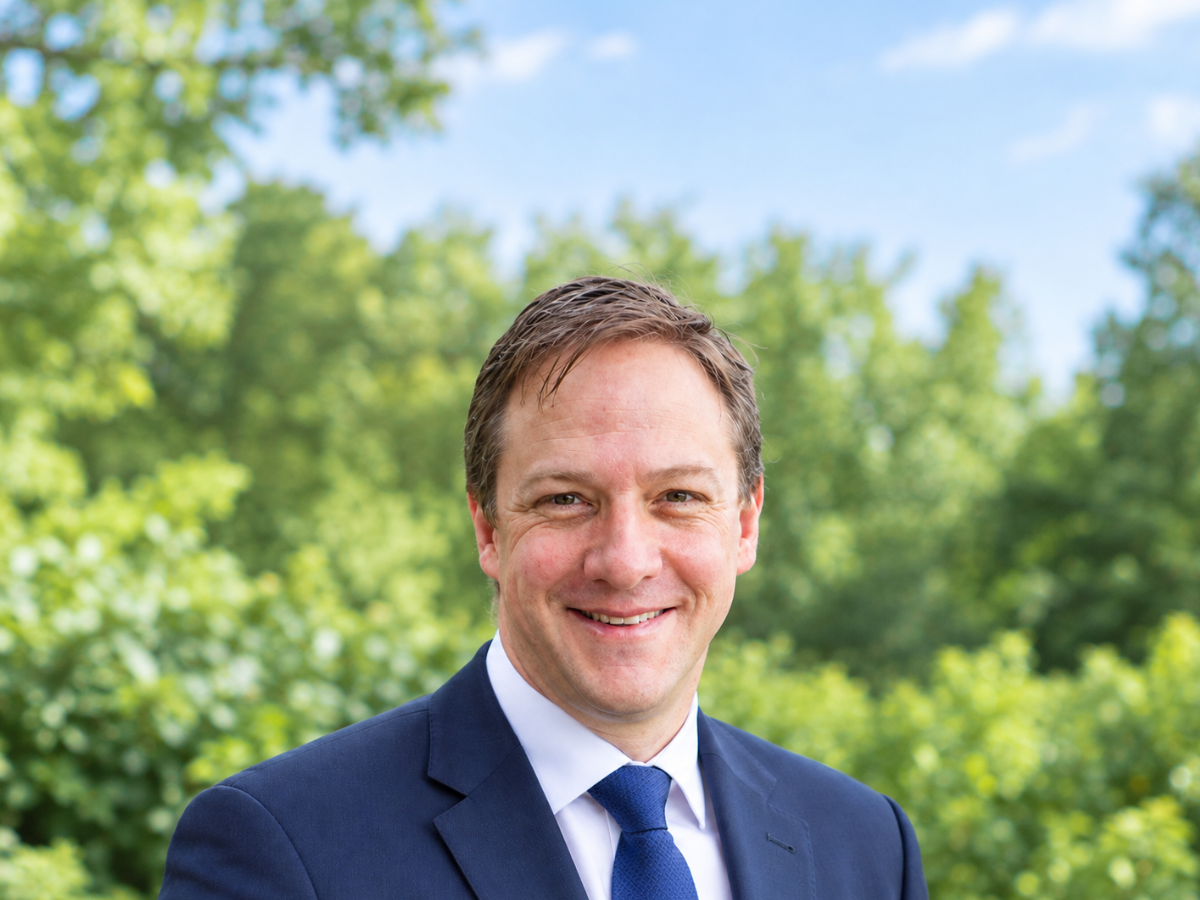
Padu Franco, Senior Program Manager for the Andes and Amazon at the Bezos Earth Fund, is set to join international conservation leaders and political figures at the second Global Biodiversity Alliance (GBA) Conference in Georgetown, Guyana, on Friday. He will sit on a panel examining how philanthropic capital can take on the early risks of conservation projects, so that governments and private investors are willing to commit far larger sums. The discussions will focus on the global shortfall in biodiversity funding, which continues to leave many conservation and ecosystem restoration programmes underfunded.
The session is titled "Financing Nature at Scale: Mobilising Capital, Instruments and Delivery Partnerships". It will be chaired by Iván Duque Márquez, the former President of Colombia. Panellists will examine existing and proposed financing mechanisms for conservation, including blended finance models, sovereign guarantees, risk-mitigation frameworks and dedicated conservation trust funds. Blended finance pairs concessional or philanthropic money with commercial capital, which can make a project viable for investors who would otherwise decline it. A sovereign guarantee commits a government to cover certain losses, and trust funds hold capital whose returns pay for long-term conservation work.
The programme aims to address every stage of the financing process. That begins with building projects to the point where investors can assess them, and continues through the structuring of capital stacks, the release of funds and the governance arrangements that hold recipients to account. Each stage can stall. Projects that lack a clear pipeline struggle to attract money, and money that arrives without clear oversight can lose the confidence of those who provided it.
The panel will also address delivery. Funds raised at international level often stop at institutions, and the session will ask how capital can reach national landscapes and indigenous communities directly. Success will be judged on verifiable ecological outcomes and on transparent, equitable arrangements for sharing benefits with local people. Those two measures are intended to apply together, so that a project showing environmental gains but little local benefit would fall short of the standard the panel describes.
The line-up spans government, indigenous leadership and international conservation. Juan Carlos Navarro, Panama's Minister of Environment, will speak from a national policy position. Derrick John, Chairman of the National Toshaos Council, will represent local communities and Indigenous governance structures in Guyana. Dr James Deutsch, Chief Executive Officer of the Rainforest Trust, will contribute the view of an organisation that raises money for land protection internationally. Mr Franco will speak for philanthropy and its part in preparing the ground for larger investors.
Mr Franco is an evolutionary and conservation biologist with 20 years of experience in fieldwork and policy. His work has brought together scientific research, private-sector finance and local economic development across the Amazon and Andes basins. Both regions are home to some of the world's most biodiverse ecosystems, yet securing consistent funding for their conservation remains a persistent challenge. His position at the Bezos Earth Fund, overseeing the Andes and Amazon, gives him direct insight into the practical issues facing the panel, including the risks philanthropic funding can absorb and the conditions needed to attract further investment.
The conference is scheduled for 30 and 31 October at the Arthur Chung Conference Centre. Its theme is "Investing in Nature: Accelerating Biodiversity Finance for Sustainable Development". It builds on the framework set out at the inaugural GBA gathering, also held in Georgetown, in July 2025. The second meeting is expected to move from that framework towards the mechanics of funding, with sessions such as this one examining how money is raised, structured and spent.
According to the programme, the panel discussion will take place on either the first or second day of the conference. The discussion is unlikely to produce a single financing model. Its value to attendees may lie in the comparison of instruments and in the account given by the indigenous and government representatives of what reaches the ground and what does not. Mr Franco's contribution will centre on the point at which philanthropic funds are placed at risk so that larger funds can follow.