
The government has moved to tighten control over the country's water resources ahead of an anticipated dry season, issuing a directive that calls on the agricultural sector to manage state water supplies with greater discipline. The Ministry of Agriculture confirmed the instruction this week, framing the measure as part of a wider effort to prepare for adverse weather rather than respond to it once losses have already occurred.
Officials have stressed that the approach reflects a shift toward anticipatory planning. Farmers and irrigation bodies have been asked to conserve existing reserves and to coordinate more closely with regional authorities as forecasts point to reduced rainfall in the coming months.
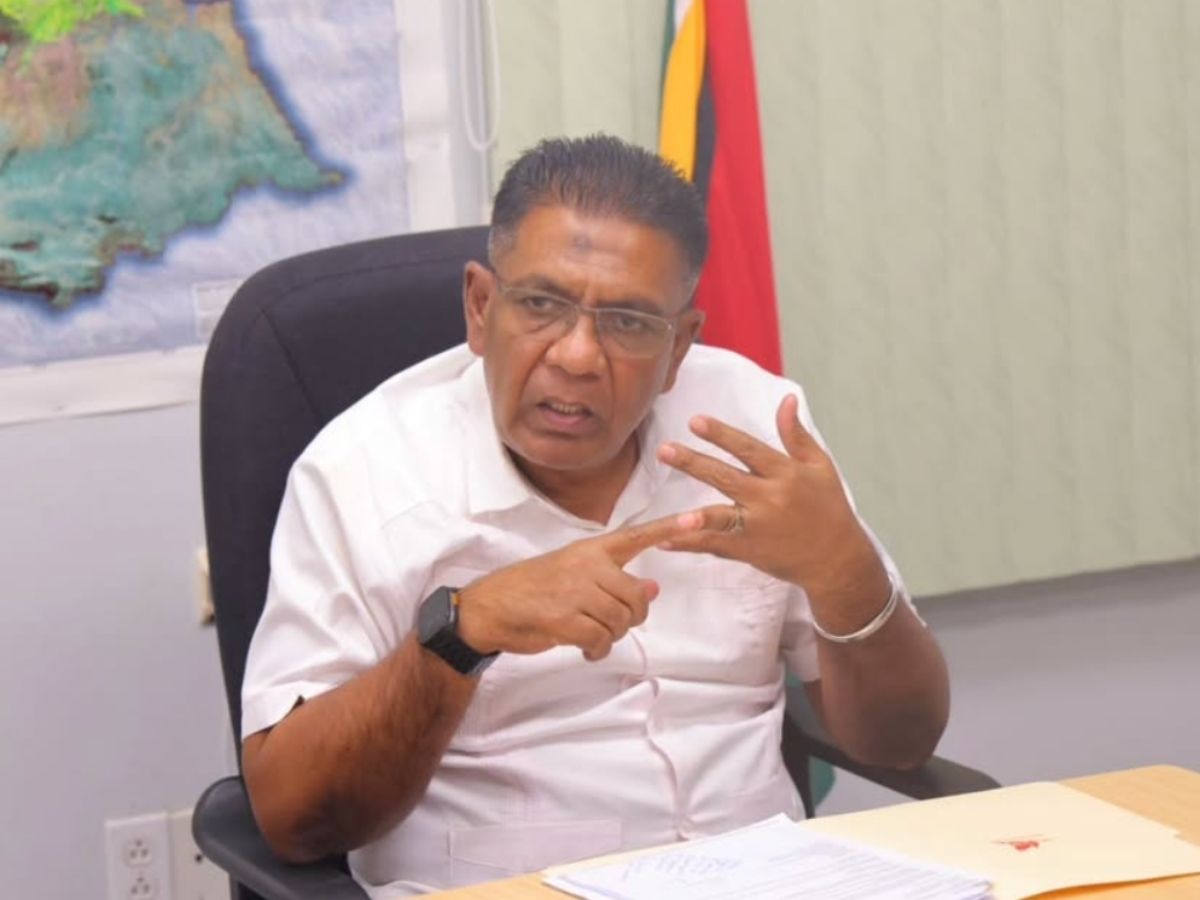
The Minister of Agriculture said the current measures build on infrastructural plans already under way, rather than representing a departure prompted by sudden concern. According to the Minister, water capture, storage and distribution systems developed in recent years are now being brought into fuller use, with reserves directed toward sustaining agricultural output through the dry spell. The government's central operational goal, officials said, is to ensure that water held in conservancies and irrigation networks is deployed in a manner that keeps production stable even as supply tightens.
Much of the practical work has fallen to the National Drainage and Irrigation Authority, which has begun rolling out equipment and personnel across several regions. The Authority has deployed mobile pumps and amphibious excavators to clear and maintain drainage channels, while conservancies in Regions Two, Three and Four have been replenished ahead of schedule to guard against shortfalls later in the season.
The Authority has also issued a pointed warning to farmers and irrigation users. Wastage of water and unauthorised tampering with irrigation regulators, it said, will have consequences for downstream production, potentially leaving farms further along the network without adequate supply. Officials indicated that monitoring of regulators and distribution points would increase as the dry season approaches, with authorities keen to prevent localised mismanagement from undermining the broader strategy.
The directive has prompted a response from farmers themselves. During consultations held in recent weeks, regional representatives raised a series of concerns and requests tied to the practical realities of working through prolonged heat and reduced rainfall. Among the most consistent appeals was a call for state-subsidised shade houses, which farmers argue would help protect crops from intense sun exposure during the driest months. Representatives also pressed for additional drainage machinery, arguing that existing equipment is insufficient to service the areas most exposed to water stress.
The Ministry has said it will review these requests, though it stopped short of committing to specific timelines or funding figures. Officials described the appeals as consistent with the kind of localised infrastructural support the government intends to expand as part of its broader drought preparedness work.
Alongside the physical measures, the Ministry is also pushing farmers toward digital tools intended to improve the flow of information during the dry season. Stakeholders have been directed to the Farmers ConnectGY application, a state-backed platform designed to provide real-time updates on policy changes, water availability and weather conditions. Officials view the platform as a way of keeping farmers informed without relying solely on in-person briefings or regional meetings, particularly as conditions change quickly during periods of low rainfall.
Authorities have said monitoring of water levels, infrastructure and regional demand will continue as the dry season sets in, with further updates expected as conditions develop. For now, the government's message to the agricultural sector is one of caution paired with reassurance: reserves have been prepared, and the coming months will test how effectively they are managed.



.jpg)