King Charles III arrives in Georgetown for a state visit to Guyana on 29 and 30 October. The visit is the second stage of his autumn Caribbean tour and marks 60 years of diplomatic relations between the United Kingdom and Guyana. Environmental preservation sits at the front of the programme, which precedes the Commonwealth Heads of Government Meeting (CHOGM) later in the tour.
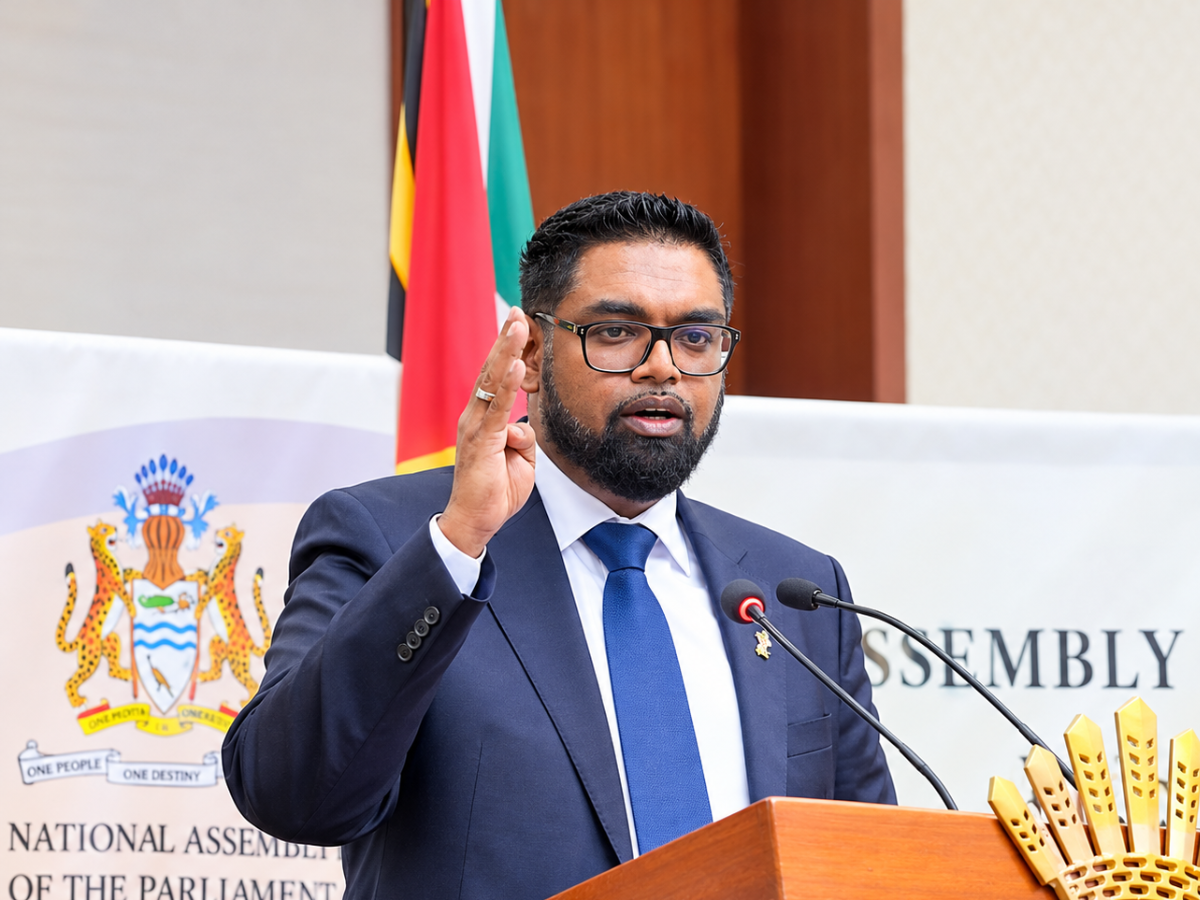
Guyana is a cooperative republic led by President Dr Mohamed Irfaan Ali. The King travels as the British monarch and Head of the Commonwealth, a role that carries no constitutional authority in the country. His programme has been arranged accordingly, with an emphasis on shared projects and scientific cooperation.
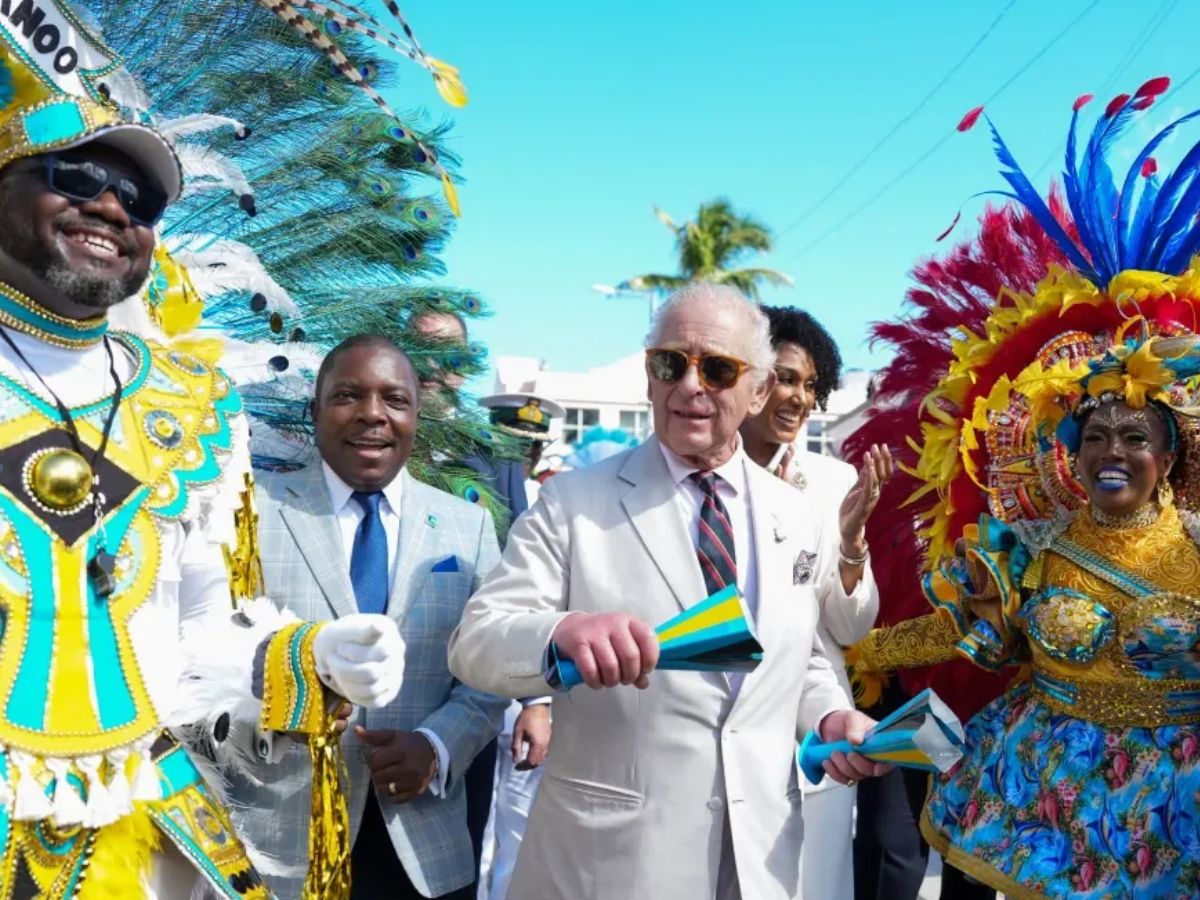
The tour began in the Bahamas, where the King addressed the historical injustices of the transatlantic slave trade and met young people involved in climate initiatives. The Guyana leg shifts attention to conservation science, Indigenous stewardship of ecosystems and sustainable development.
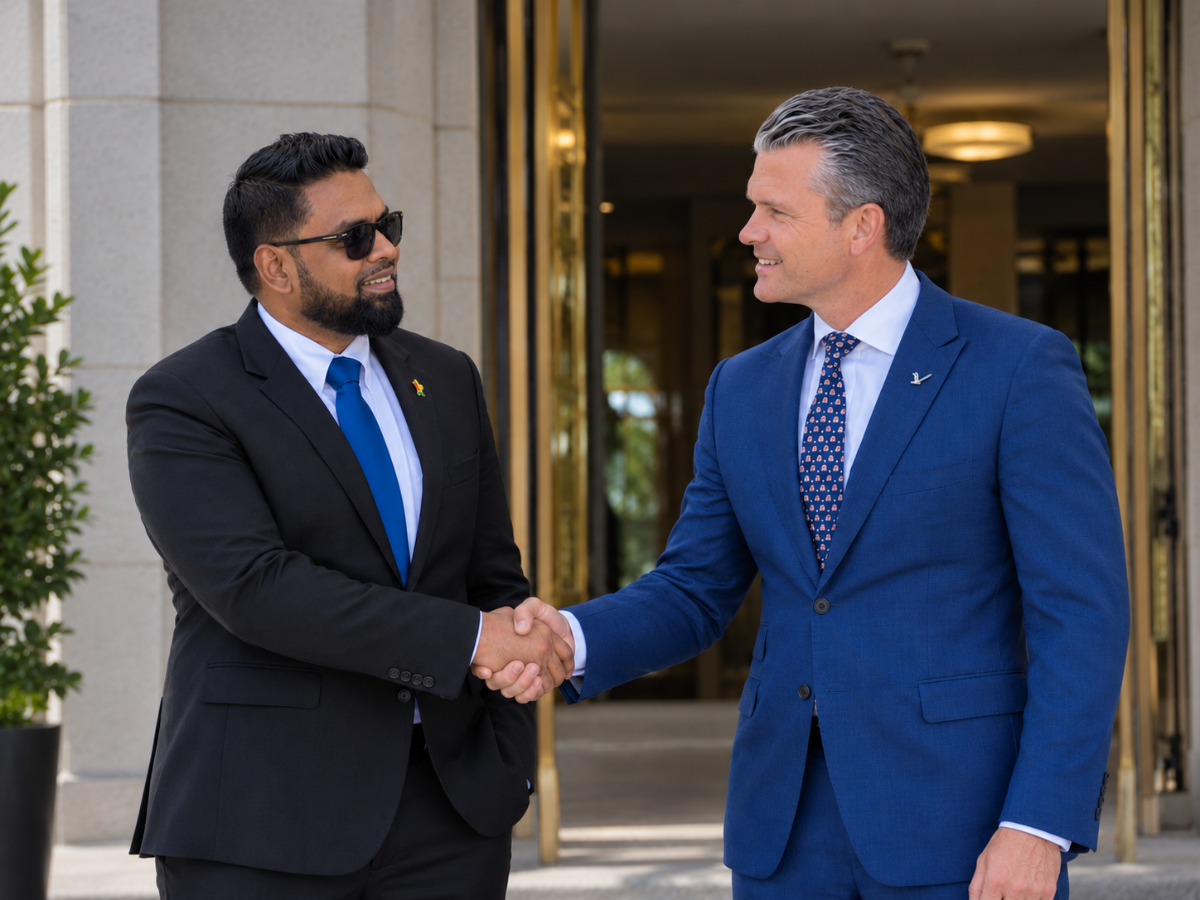
The visit opens with a formal reception at State House, followed by bilateral talks hosted by President Ali. Diplomatic relations between London and Georgetown date from 1966, when Guyana gained independence from Britain. The anniversary gives both governments an occasion to review a relationship that has changed considerably over six decades, from a colonial past to a partnership between sovereign states.
Forests are central to the programme. The King has long been patron of the Iwokrama International Centre for Rain Forest Conservation and Development, which manages a large reserve in Guyana's interior. The centre carries out research on tropical forest management, and the country's standing forests store significant quantities of carbon. The King is also due to take part in engagements with international environmental forums, including the Global Biodiversity Alliance Summit. These sit alongside Guyana's Low Carbon Development Strategy, under which the government seeks international payment for keeping its forests intact.
Coastal protection forms a second strand. Most of Guyana's population lives on a narrow coastal plain, much of it lying below sea level, which leaves Georgetown exposed to rising seas and heavy rainfall. The King is scheduled to visit the Kingston Seawall, where he will see municipal mangrove restoration work and hear about Commonwealth sustainable city initiatives. Mangroves absorb wave energy and trap sediment, and local authorities have treated their replanting as a practical complement to concrete sea defences.
The King will also meet the National Toshaos Council and other Indigenous community leaders at the Umana Yana, a traditional thatched structure in Georgetown. Indigenous communities hold title to land across much of Guyana's interior, and their role in protecting forests and rivers is recognised in national climate policy. The discussion is expected to cover the management of those lands and the place of Indigenous knowledge in conservation planning.
Public engagements are planned as well. The King is expected to meet residents at the Kingston Seawall bandstand, a popular gathering point on the Georgetown waterfront, in an informal setting that contrasts with the formality of State House.
The visit takes place against a regional backdrop set in Nassau, where discussion of the legacy of the transatlantic slave trade and calls for reparatory justice formed part of the opening leg. Caribbean governments continue to press the question in Commonwealth forums, and the Georgetown programme will be read in that light. British officials have presented the Guyana visit as an effort to build contemporary partnerships while acknowledging that the historical debate remains unresolved.
On the conclusion of the state visit, the King will travel to Antigua and Barbuda, where he will be joined by Queen Camilla. The two will attend CHOGM, at which the King is due to deliver the keynote address to Commonwealth leaders. The themes raised in Guyana, from forest finance to coastal adaptation, are expected to feature in that speech.