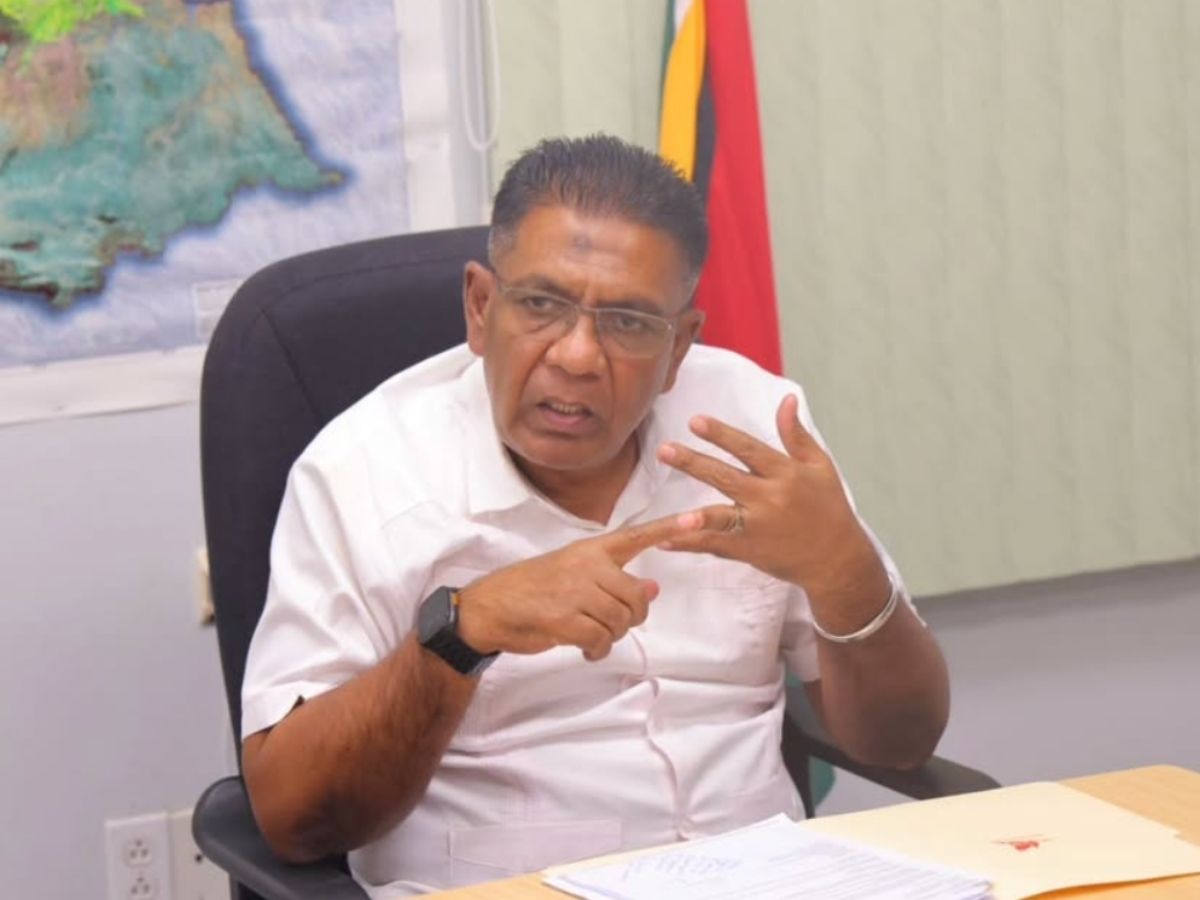
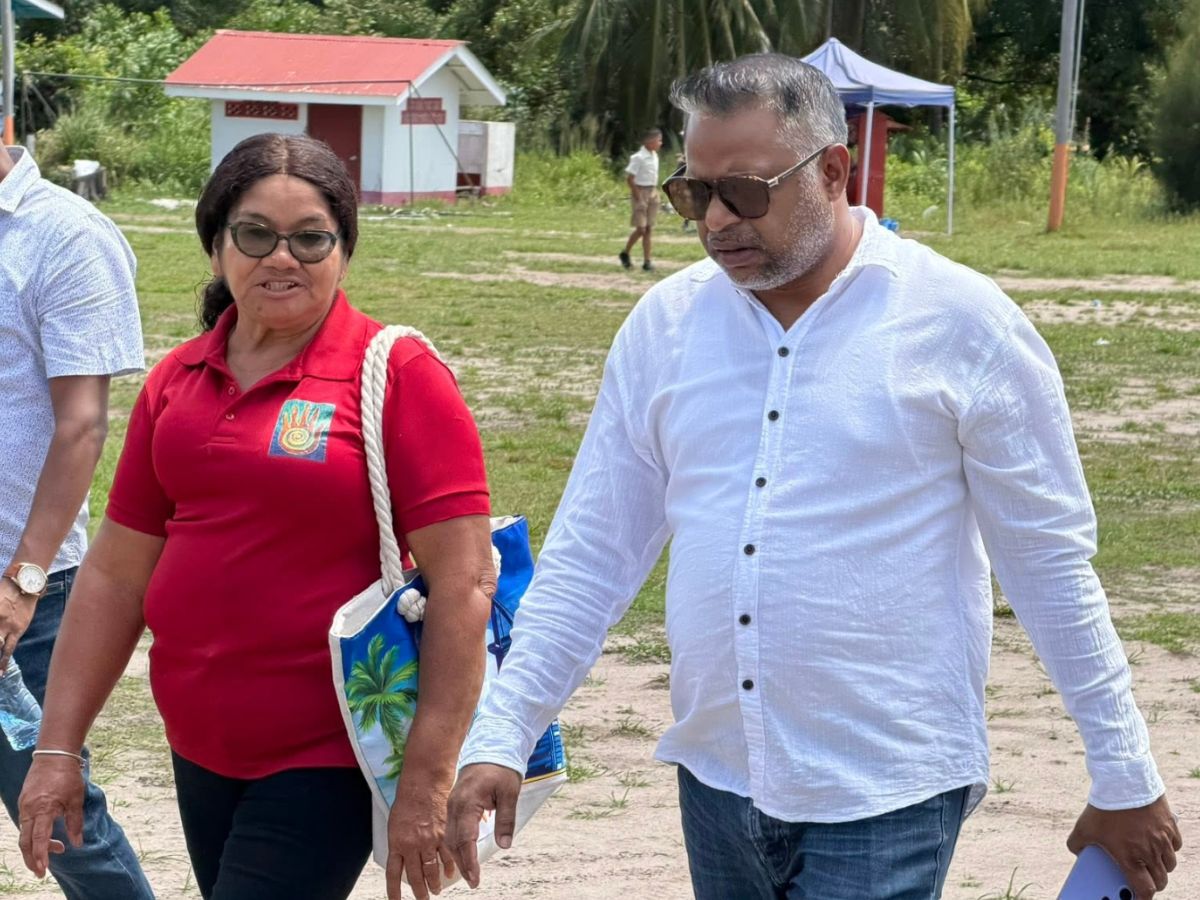
The Santa Rosa Village Council has formally objected to a planned visit by Opposition Leader Azruddin Mohamed to the community on August 5, stating that it never authorised the trip. The Council cited two grounds for its objection: the date clashed directly with a previously arranged engagement involving President Irfaan Ali, and Mr Mohamed's team had not secured the statutory permission required from local indigenous leadership before entering the village.
In a statement signed by Toshao Raul Hendricks, the Council said it had proposed an alternative date to Mr Mohamed's representative, MP Deon La Cruz. According to the Council, the visit went ahead regardless of that offer. Hendricks described the move as disrespectful, framing the Council's objection not as opposition to political engagement itself but as a defence of the authority vested in the village leadership to control access to its own territory. The statement noted specifically that the visit's timing conflicted with President Ali's own scheduled engagement in the area, a clash the Council said compounded the administrative breach.
The Council's position rests on the Amerindian Act of 2006, which gives Village Councils legal authority over who may enter titled Amerindian lands. Under the Act, outside parties, regardless of political standing, are required to obtain permission from the relevant council before entering a community. Santa Rosa's leadership argued that this requirement was not observed in this instance, and that the failure to do so amounted to a breach of the law rather than a matter of etiquette.
The dispute in Santa Rosa is not isolated. Over the past year, Toshaos in several regions have invoked the same provision to assert control over visits from politicians and other outside parties. The National Toshaos Council has previously raised concern about a pattern in which individuals enter Amerindian communities citing informal invitations from residents, while bypassing the formal consent of the village council. In a statement issued earlier this year, the NTC said this practice undermined respect, accountability and lawful engagement, without naming Mr Mohamed directly, though the timing and context of its remarks followed earlier disputes involving him.
Mr Mohamed has faced comparable accusations in other villages. In Lake Capoey, Region Two, Toshao Wendy Francis said he entered the community without informing her or the council, a claim that residents and tourism operators in the area disputed, saying the visit had followed the community's own protocol permitting limited visitor access. In Annai, the Toshao initially barred Mr Mohamed from visiting five villages without prior consultation with senior councillors, before apologising and reversing the decision. Taken together, these episodes point to a recurring friction between Mr Mohamed's outreach as he pursues a political future and the mechanisms villages use to manage access to their land.
The Santa Rosa case highlights a wider tension between national political campaigning and indigenous self-governance ahead of further electoral activity. Village councils operate under a legal framework designed to protect their autonomy, yet that framework depends on parties respecting it voluntarily, since councils have limited practical means of enforcement against a determined visitor. Whether Santa Rosa pursues any formal complaint beyond its public statement remains unclear. Mr Mohamed's team has not issued a detailed response to the Council's account, and it is not yet known whether the National Toshaos Council will comment specifically on this case.
For now, the episode adds to a growing record of similar incidents, reinforcing an unresolved question facing political figures who seek to campaign within Amerindian territories. The Amerindian Act of 2006 sets out a clear requirement, but its practical observance appears increasingly to depend on individual political conduct as much as on the law itself.

.jpg)