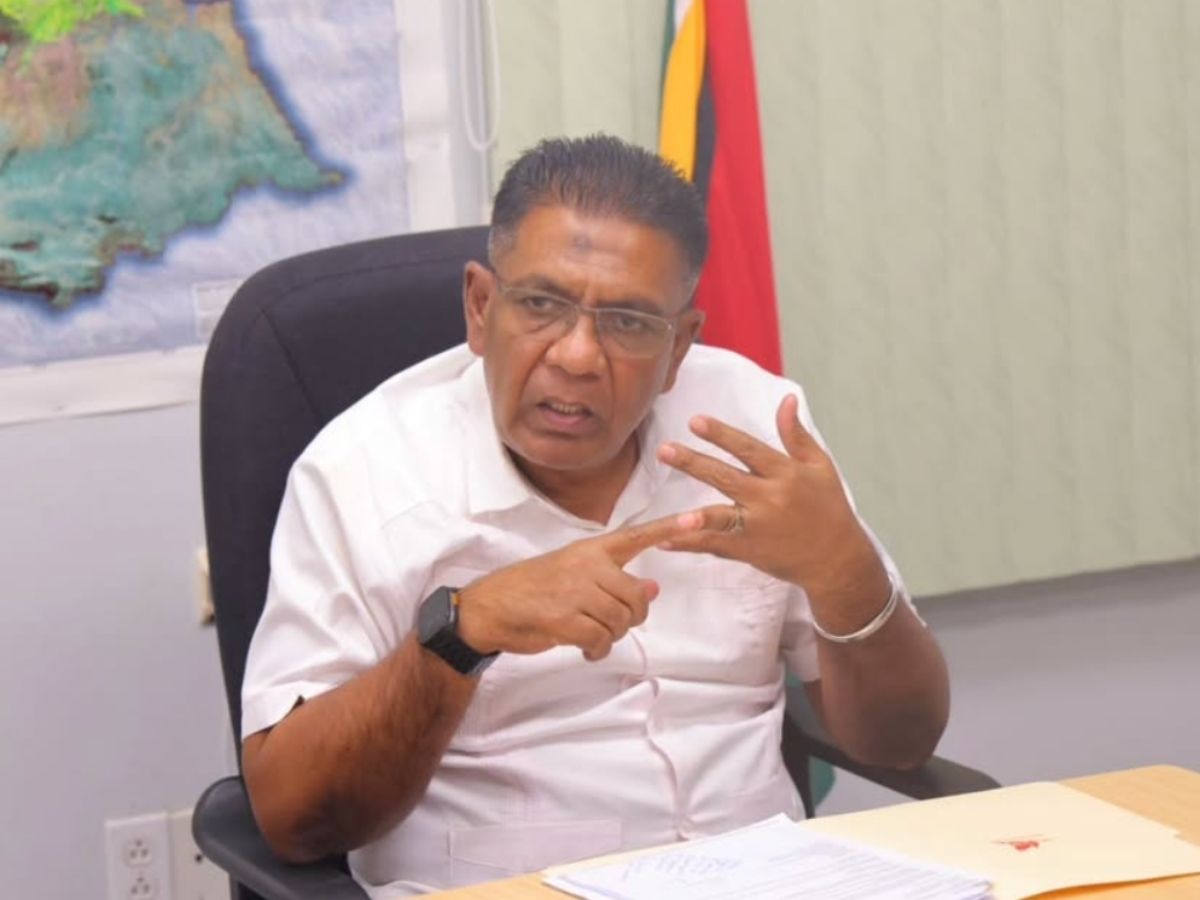
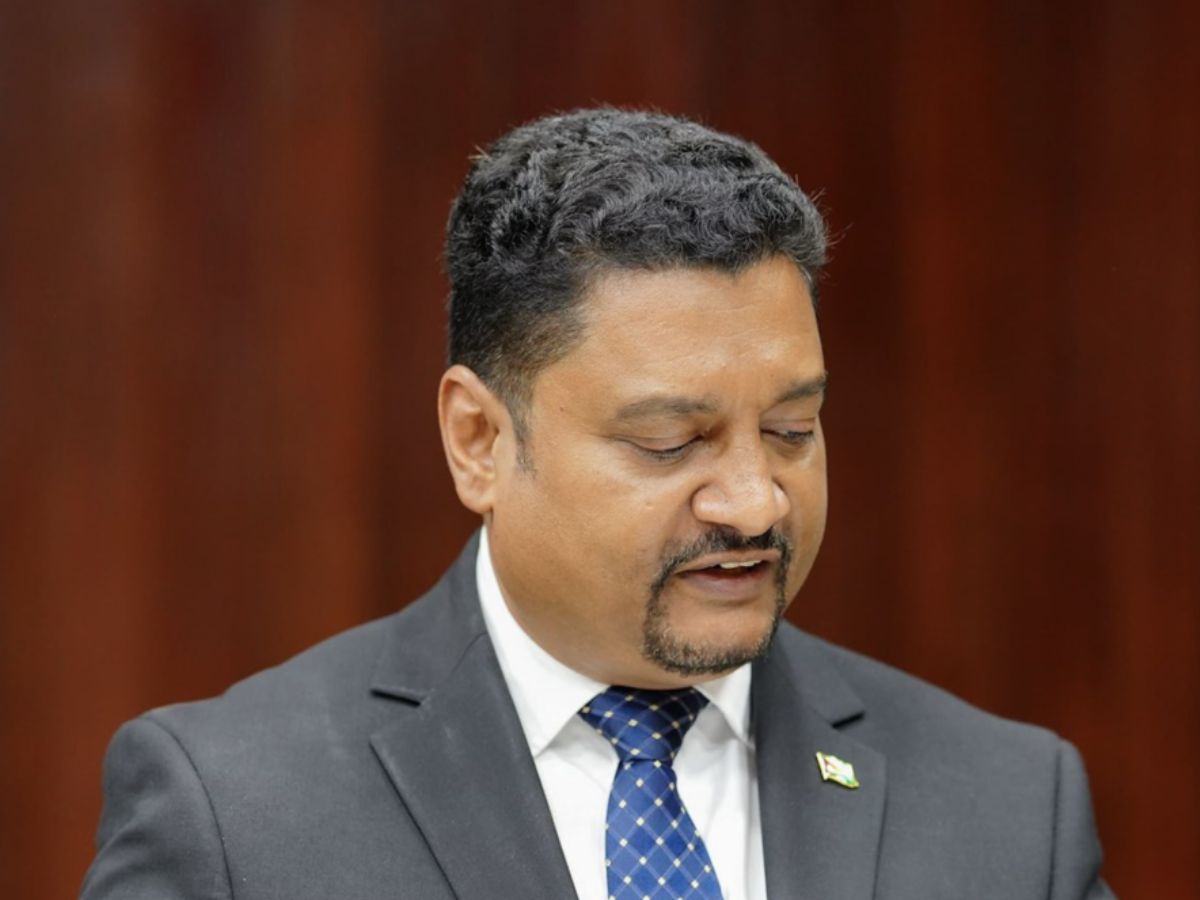
The Caribbean Court of Justice has rejected an application to halt extradition proceedings against Guyanese businessman Nazar Mohamed and his son, Opposition Leader Azruddin Mohamed. The ruling, delivered on Tuesday, requires the resumption of their committal hearings before Chief Magistrate Judy Latchman, which have been interrupted repeatedly by legal challenges since January.
The extradition request originates in the United States, where prosecutors have filed an 11-count federal indictment against the father and son in the United States District Court for the Southern District of Florida. The charges allege their involvement in a multi-year gold-smuggling operation that used falsified customs declarations and reused government export seals to evade more than US$50 million in taxes and royalties. The indictment includes conspiracy, wire fraud, mail fraud, money laundering and customs offences. The two men, sanctioned by the US Treasury Department in 2024, have denied all allegations.
The latest bid to stop the proceedings arose from a constitutional challenge to sections of the Fugitive Offenders (Amendment) Act. In February, Acting Chief Justice Navindra Singh found one subsection of the legislation unconstitutional while upholding the remaining provisions the Mohameds had challenged. The two men appealed that finding to the Court of Appeal and asked for the extradition process to be stayed until the constitutional questions were resolved.
The Court of Appeal declined to bring the committal hearings to a complete halt. In its ruling of 27 August, the appellate court ordered that proceedings before Magistrate Latchman continue, but barred her from delivering a final decision until the constitutional appeal is heard. That appeal has been expedited, with a substantive hearing set for 13 October.
Following the Court of Appeal's decision, the Mohameds sought special leave to appeal to the CCJ for a full stay of proceedings. The regional court rejected the application on Tuesday, a decision confirmed by Attorney General Anil Nandlall. The State had argued that continuing the committal hearings would not deprive the defendants of their legal safeguards, pointing to their continued access to bail, habeas corpus and appellate remedies, and noting that the inquiry's continuation would not result in their immediate surrender to the United States.
This is not the first legal avenue the Mohameds have exhausted. Their earlier and separate challenge, which argued that the Authority to Proceed issued by Home Affairs Minister Oneidge Walrond was tainted by political bias, was dismissed by the High Court on 4 February and by the Court of Appeal on 17 March. The CCJ granted an interim stay of proceedings in March while it considered the matter, then dismissed the appeal outright on 29 July, finding no evidence of bias and discharging the stay. Justice Denys Barrow, delivering the lead judgment, found that Azruddin Mohamed did not come to the case with clean hands, citing his own public exchanges with government officials.
With that avenue closed, the current proceedings concern only the constitutional challenge to the extradition legislation itself, rather than the question of ministerial bias.
Committal hearings resumed on Thursday at the Georgetown Magistrates' Courts, with further full-day sittings scheduled for 4, 7, 8, 9 and 10 September. One witness, Permanent Secretary of the Ministry of Foreign Affairs and International Cooperation Sharon Roopchand-Edwards, has testified so far and was under cross-examination when the hearings were last interrupted.
Nazar Mohamed, 72, and Azruddin Mohamed, 39, were arrested on 31 October last year, shortly after the United States formally submitted its extradition request. Both were granted bail of $150,000 and have since surrendered their passports, reporting to Ruimveldt Police Station every Friday.
The outcome of the committal inquiry will ultimately hinge on the constitutional appeal due to be heard on 13 October. Magistrate Latchman is barred from ruling on committal until that appeal is decided, meaning the proceedings now underway will establish the evidential record without yet resolving whether the men can be extradited.

.jpg)