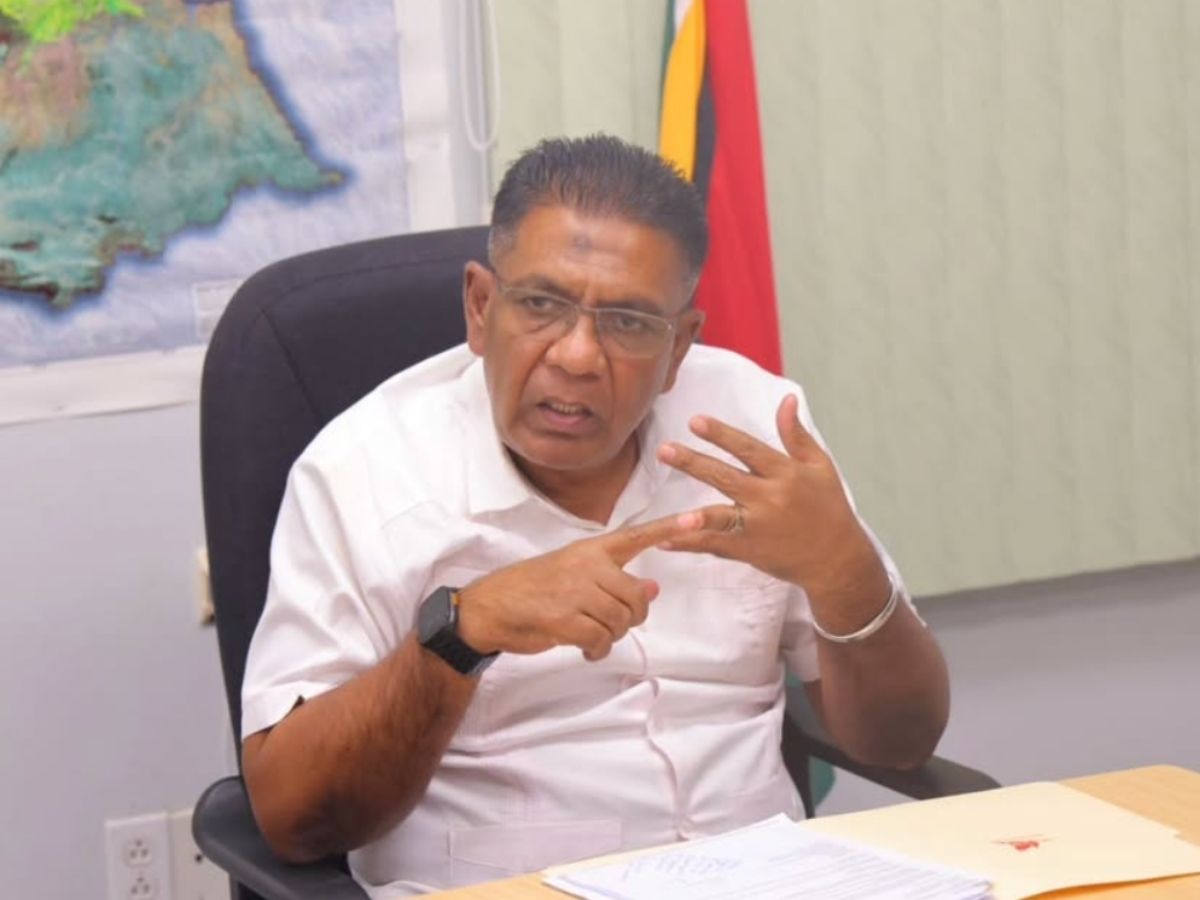
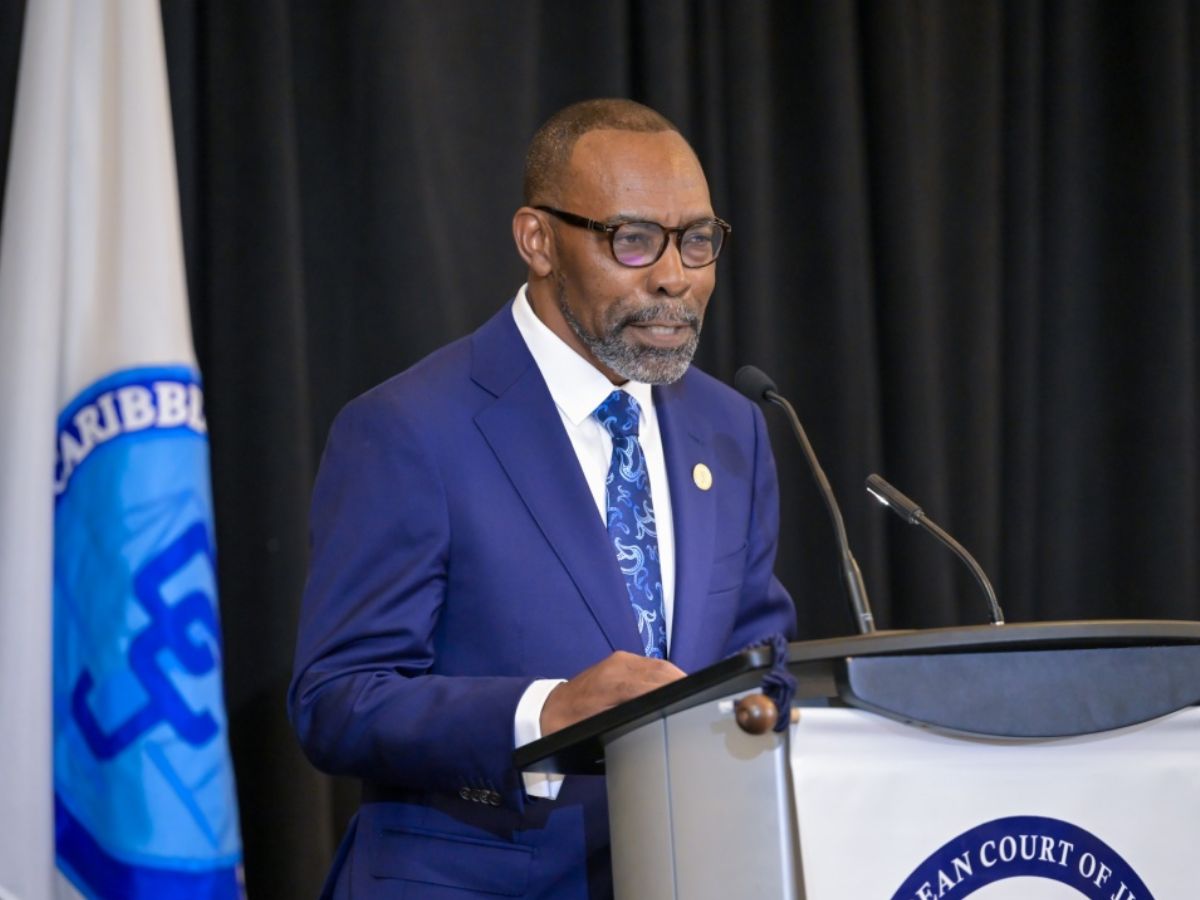
The Caribbean Court of Justice is facing internal turmoil after confidential correspondence was leaked, prompting a regional oversight committee to propose a review into conduct allegations against the court's President, Justice Winston Anderson. Ralph Ramkarran, a prominent Guyanese legal figure, has questioned whether the committee has the authority to carry out such a review, and has argued that the leak itself represents a more serious breach of judicial integrity than the conduct it exposed.
The leaked emails contain a series of allegations against Justice Anderson. They accuse him of pressuring fellow judges over the outcome of rulings, of manipulating the composition of judicial panels to influence case outcomes, and of attempting to impose strict requirements on judicial attire within the court. Ramkarran has noted that the correspondence offers only a partial view of the court's internal workings, and that this fragmentary picture has distorted the wider context of the President's conduct.
In response to the claims of undue pressure on colleagues, defenders of the President point out that the rulings in question were reached unanimously, undermining the suggestion that judges were coerced into a particular outcome. The allegations concerning panel composition and dress code are, according to this account, linked to a single internal dispute involving a judge's refusal to wear standard judicial attire in chambers. Assigning judges to particular panels falls within the ordinary responsibilities of the President's office, and Ramkarran has argued that reframing a routine administrative decision as evidence of misconduct misrepresents how the court normally functions.
The central objection raised by Ramkarran concerns the legal standing of the Regional Justice and Legal Services Committee, known as the RJLSC, to investigate the President at all. He has pointed to the treaty and statutory provisions that established the CCJ, which set out the committee's powers in some detail. These include the appointment of court staff, the discipline of ordinary judges, and the provision of advice to regional heads of state. Nowhere in these provisions, he contends, is the committee granted explicit authority to investigate or review the conduct of the President himself. On this reading, a probe into Justice Anderson would exceed the RJLSC's legal mandate.
Should the committee proceed despite this objection, Ramkarran has argued that it cannot do so on a selective basis. The unauthorised disclosure of private court correspondence has, in his view, done significant damage to the institution's standing, and identifying the source of the leak ought to be treated as at least as urgent a matter as scrutinising the administrative disputes the emails revealed. A review that examines only the President's conduct while ignoring how the correspondence came to be made public would, by this argument, be incomplete and lopsided.
A separate strand of the controversy touches on regional politics. Justice Anderson recently made public comments about delays in confirming judicial appointments in Guyana, remarks that have added a political dimension to the dispute. Ramkarran has described these comments as well intentioned, echoing concerns previously raised by earlier presidents of the court regarding the pace of judicial appointments in the country. He has suggested, however, that the remarks failed to account for the particular political sensitivities at play in Guyana, where judicial appointments have long been entangled with broader constitutional and political disagreements. The intervention, in this reading, reflected a misjudgement of the local political terrain rather than any impropriety.
The dispute leaves the CCJ facing scrutiny over both the conduct of its most senior judicial officer and the institutional mechanisms meant to hold that officer to account. How the RJLSC responds to the jurisdictional challenge, and whether it extends its inquiry to the source of the leak, will likely shape perceptions of the court's internal governance in the months ahead.

.jpg)