.jpg)
A summit between Guyana's two largest opposition factions has ended without producing any concrete resolution to the political and electoral deadlocks that prompted the meeting. The joint statement confirming the outcome arrived several days after it had originally been expected, and when it was finally published, it read less as a policy breakthrough than as a placeholder pending further talks.
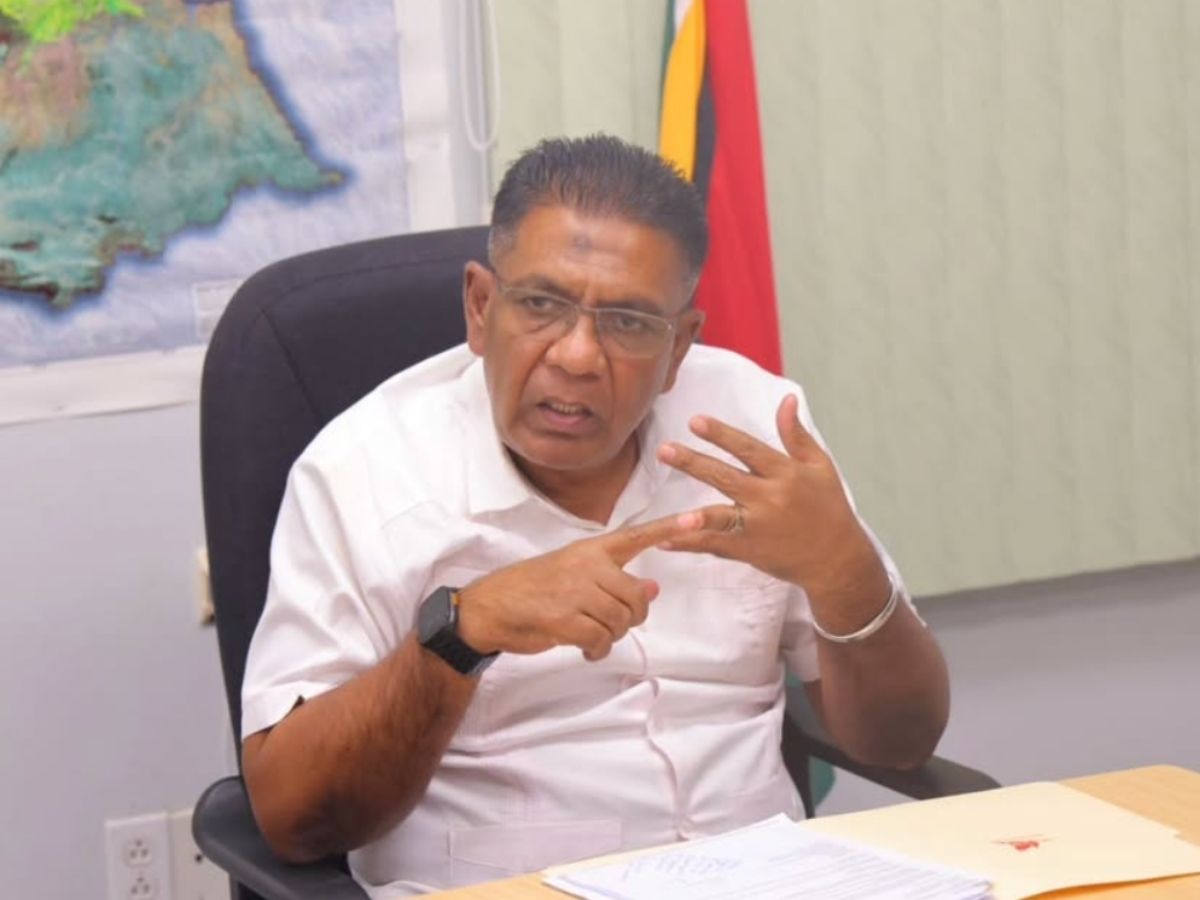
The meeting on August 24 brought together Opposition Leader Azruddin Mohamed of We Invest in Nationhood and Aubrey Norton, chairman of A Partnership for National Unity. It had been presented beforehand as a significant step towards political cooperation between the two parties, with expectations that it might help unblock several commissions and councils that have been paralysed by disagreement for months. The scale of that ambition made the eventual statement, thin on detail and short on commitments, a notable disappointment to observers who had hoped for tangible movement.
Several institutional disputes remain exactly where they stood before the meeting took place. The statement reiterated grievances rather than resolving them. Among the unaddressed issues is the structural composition of the Guyana Elections Commission, a matter that has stalled progress on electoral reform. The appointment of scrutineers for future elections remains similarly unsettled. The political impasse affecting the Region 10 Regional Democratic Council continues without a clear path forward, and nominations to the Local Government Commission remain stalled. Each of these matters was already public knowledge before the summit, and the joint statement did little more than confirm that they persist.
What the meeting did produce was procedural rather than substantive. WIN and APNU have proposed forming two separate three-member teams, one from each party, tasked with drawing up guidelines for how future discussions might proceed. This is not, however, a settled arrangement. Both Mohamed and Norton must first take the proposal back to their respective parties and coalitions for internal approval before any such teams can be formally constituted. Until that process concludes, there is no mechanism in place through which the outstanding disputes might actually be discussed, let alone resolved.
The gap between the initial framing of the meeting and its eventual outcome is worth noting. A summit billed as a step towards cooperation has instead produced an agreement to consult internally about how cooperation might one day be structured. This distinction matters in a political environment where GECOM's composition and the Region 10 impasse are not abstract disagreements but issues with direct bearing on how elections are administered and how local governance functions in practice.
Both delegations have described the tone of the meeting as cordial, and there is no indication of open hostility between the two parties. Cordiality, though, has not translated into progress on any of the specific grievances that made the meeting necessary in the first place. The delay in publishing the statement, followed by its limited content once released, suggests that neither side was in a position to commit to firm next steps at this stage.
For now, the electoral and governance questions that prompted the talks remain unresolved. GECOM's structure, the scrutineer appointments, the Region 10 council, and the Local Government Commission nominations are all still pending, with no timeline attached to when they might be addressed. Whether the proposed three-member teams will be formed, and how quickly, depends on internal party processes that have not yet begun. A functional working relationship between WIN and APNU on these matters remains, on the evidence of this meeting, some way off.

.jpg)