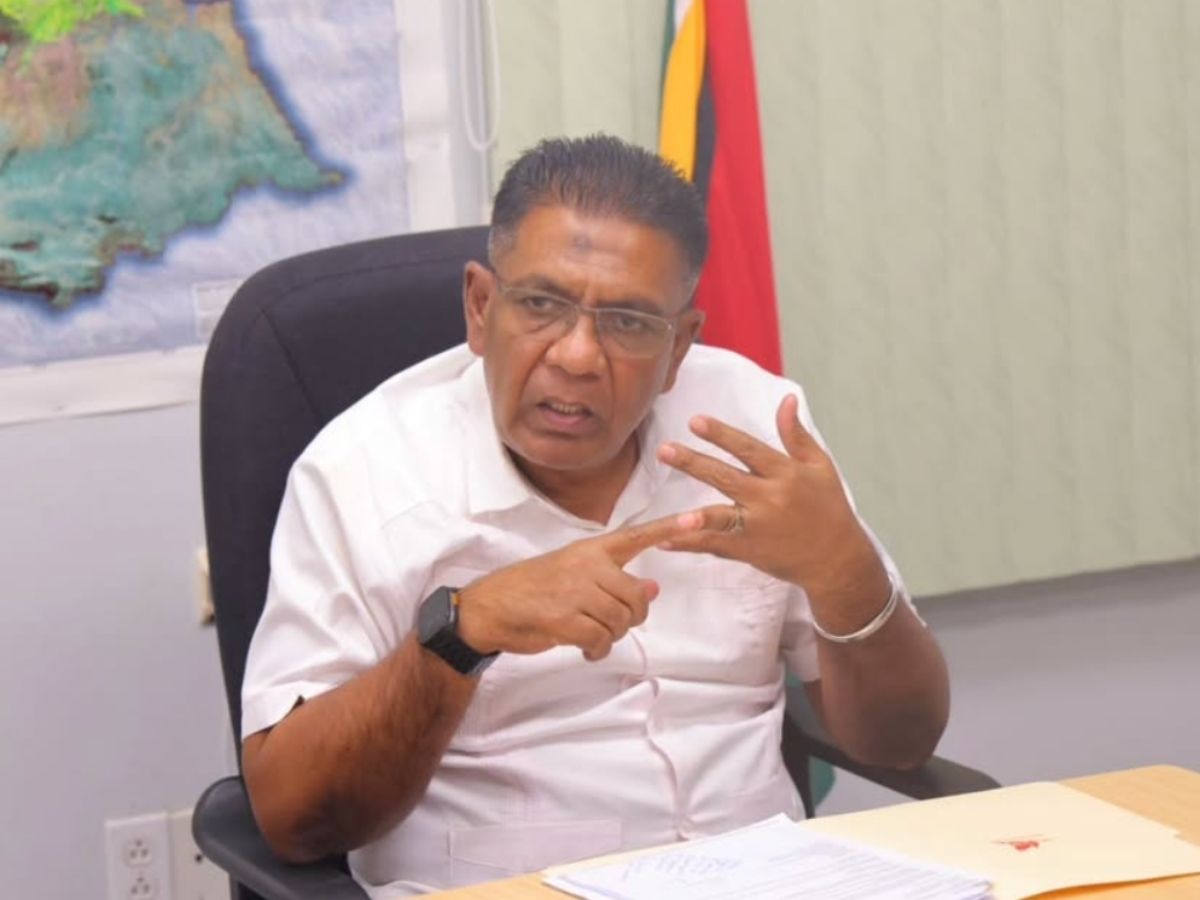
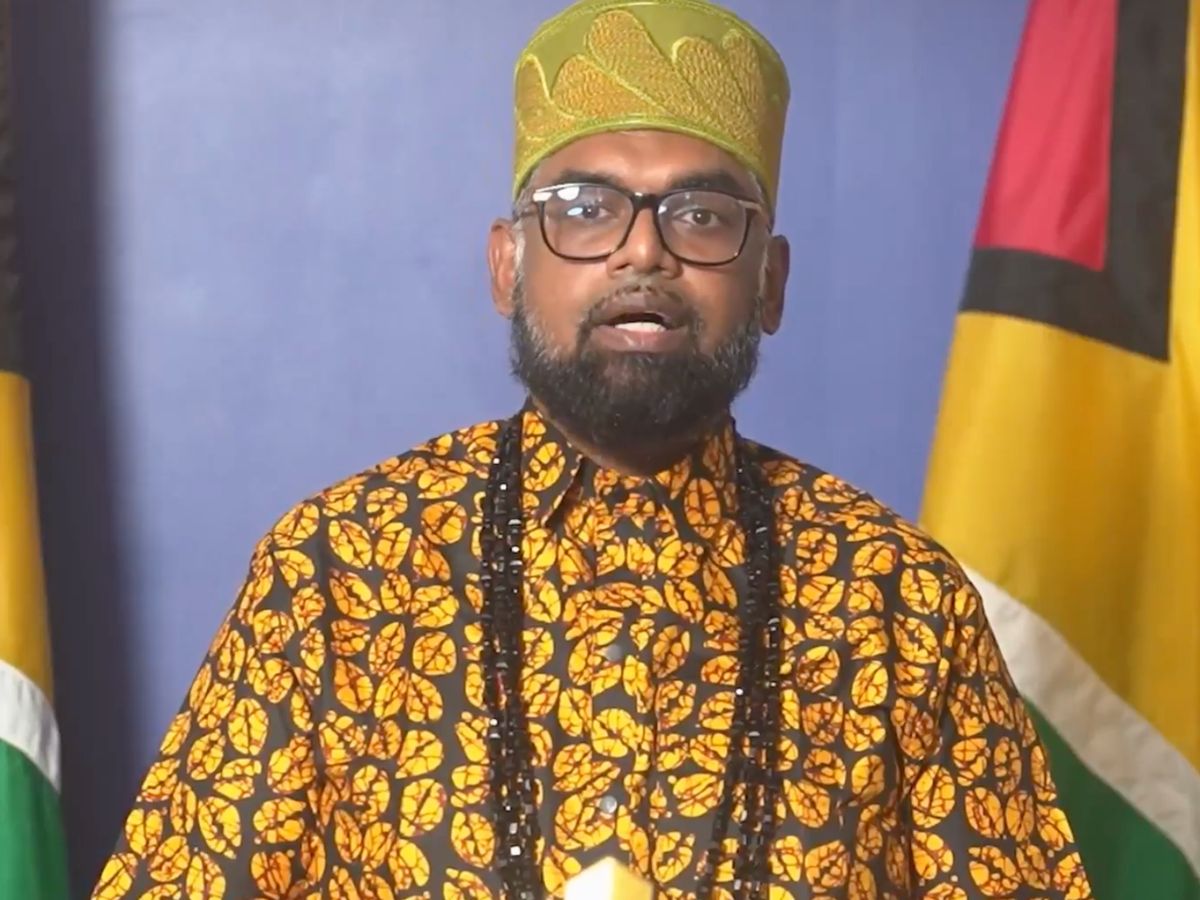
Guyana's President, Dr Mohamed Irfaan Ali, delivered his official address marking Emancipation Day 2026, telling the nation that its contemporary foundations were built directly upon the resilience and resolve of its African ancestors. The address, delivered on 1 August, framed the achievements of Guyana's African-descended population after slavery as central to the country's development, and called on citizens today to draw lessons from that history.
In his remarks on the transatlantic slave trade, Ali described the system as brutal and abominable, offering an unambiguous condemnation of the practices that brought enslaved Africans to the Caribbean. He noted that despite the horrors endured, those who were enslaved retained their humanity and dignity throughout generations of bondage. This endurance, he said, was not incidental but reflected a deliberate and sustained assertion of selfhood under conditions designed to strip it away.
The President placed particular weight on the period immediately following emancipation, observing that freed people approached their new circumstances with a forward-looking outlook rather than one shaped by lingering bitterness. This framing set up the substantive portion of his address, which turned to the practical steps taken by formerly enslaved communities to build a future for themselves.
Central to this account was the Village Movement, in which newly freed individuals pooled their limited financial resources to purchase land collectively. Unable to acquire plantations individually, groups of freed people combined savings to buy estates outright, converting former sites of bondage into self-governing communities. Ali described this as an act of extraordinary foresight and cooperation, carried out by people with few resources but considerable determination. These villages became the basis for local governance structures, agricultural production and community institutions that would shape Guyanese society for generations.
The address went on to detail the range of sectors that African-Guyanese pioneers helped to build. Agriculture featured prominently, alongside mining industries including bauxite, gold and diamonds. Ali also pointed to contributions in commerce and education, sectors in which African-Guyanese figures established early institutions and businesses that expanded opportunity beyond the plantation economy. He extended this account further into the cultural sphere, noting the influence of African-Guyanese communities on the arts, sport and politics, all of which he described as integral to the formation of the country's national identity.
Having set out this historical record, the President turned to the present. He appealed to citizens to emulate the example of their ancestors by transforming historical pain into collective purpose, rather than allowing it to become a source of division. This was the clearest political message of the address. Ali warned explicitly against the dangers of division within Guyanese society, urging the public to reject suspicion and enmity between different groups.
He argued that the same spirit of cooperation that allowed freed communities to build villages from nothing should now guide the country's approach to its shared challenges. Guyana, he said, should be a society rooted in mutual respect and equality, with prosperity extended to all its demographic groups rather than concentrated among a few. The President did not dwell at length on specific policy measures, instead using the occasion to set out a broader vision for social cohesion.
The address comes at a time when Guyana's economy has undergone rapid transformation, driven largely by offshore oil production, a shift that has intensified public debate over how the benefits of growth are distributed across the country's population. Against this backdrop, Ali's emphasis on unity and shared prosperity carried particular weight, linking the historical narrative of collective effort after emancipation to contemporary questions about equitable development.
The Emancipation Day address is delivered annually and forms part of wider commemorations across Guyana marking the end of slavery in the British Caribbean in 1838. This year's remarks placed unusual emphasis on the specific mechanisms of post-emancipation community building, rather than focusing solely on commemoration of suffering endured under slavery.

.jpg)