.jpg)
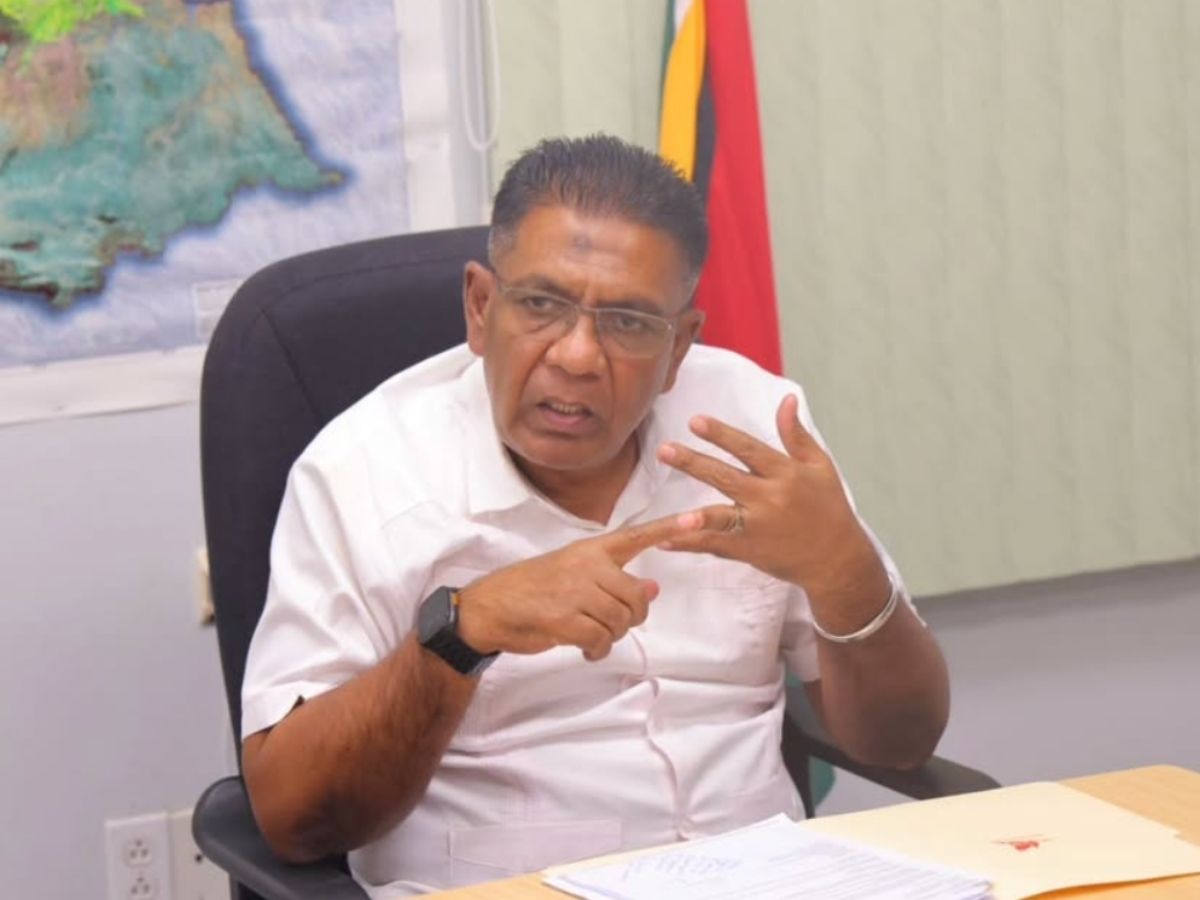
Guyana's Attorney General, Anil Nandlall, has publicly cautioned citizens that protests which turn disruptive, violent or riotous will result in criminal charges. Speaking after a confrontation at a government event in Linden, Nandlall said the constitutional right to protest does not extend to unlawful assembly or the deliberate disruption of public proceedings. Demonstrators, he said, remain free to gather and voice grievances, but that freedom stops where it begins to infringe on the rights of others.
The remarks followed an outreach meeting held on August 4 in Linden, led by Vice President Bharrat Jagdeo. Opposition supporters, angered by the sinking of the MV Barima and demanding the removal of specific government ministers, breached security barriers set up around the venue. Their actions disrupted the meeting and led to a tense standoff between protesters and security personnel. Nandlall cited the episode as the clearest recent example of protest activity crossing into conduct the law does not protect.
Much of Nandlall's statement focused on the legal framework governing assembly in Guyana. He argued that the right to protest exists alongside the right of other citizens to gather peacefully and attend public meetings without interference, and that neither right can be exercised in a manner that extinguishes the other. He referred specifically to provisions in the Criminal Law Offences Act covering unlawful assembly and disorderly conduct, noting that breaching barriers, intimidating attendees or forcibly halting proceedings falls squarely within those provisions. Nandlall also invoked established case law cautioning against what he termed uncontrolled freedom, arguing that courts have long recognised limits on assembly where public order or the rights of others are at stake. Protesters who cross those limits, he said, should expect to be charged.
The Attorney General's comments carried a distinct political edge. He accused opposition leaders of directing their supporters toward confrontation with police while remaining personally shielded from any legal consequences that might follow. In his account, party figures encourage crowds to breach barriers and disrupt events, then step back once law enforcement becomes involved, leaving ordinary supporters to face arrest. Nandlall drew a contrast with his own party's record while in opposition between 2015 and 2020, describing the PPP's protests during that period as conducted with proper authorisation and without the disorder now on display. The comparison formed part of a broader argument that the current unrest reflects a deliberate political strategy rather than spontaneous public anger.
Nandlall extended his warning beyond the specifics of assembly to freedom of expression more generally. He reminded the public that constitutional protections for speech do not cover statements made to damage another person's reputation, noting that such remarks can amount to defamation regardless of the political context in which they are made. This caveat was brief within the broader address but served to reinforce his central message: that constitutional rights in Guyana, whether to protest or to speak freely, carry defined limits rather than operating without restraint.
Underlying the current tension is the sinking of the MV Barima on July 18, a maritime tragedy that has generated sustained public anger across the country. The disaster prompted calls for accountability from affected communities and opposition politicians alike, with demands centred on an independent investigation and the removal of officials seen as responsible for oversight failures. Protests linked to the tragedy have continued in the weeks since, of which the August 4 disruption in Linden forms part. The unresolved anger over the sinking, combined with unanswered questions about its cause, continues to shape the political climate in which Nandlall's warning was issued.

.jpg)