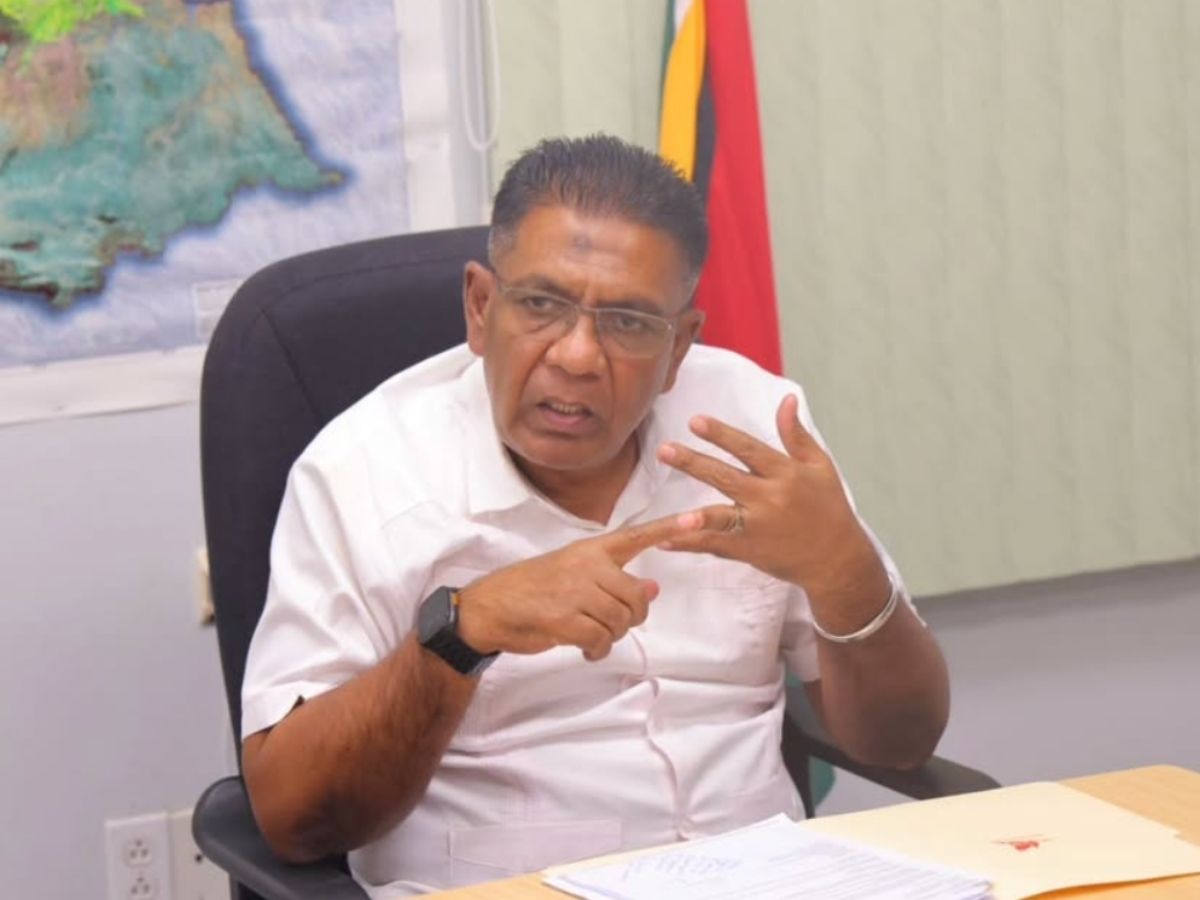
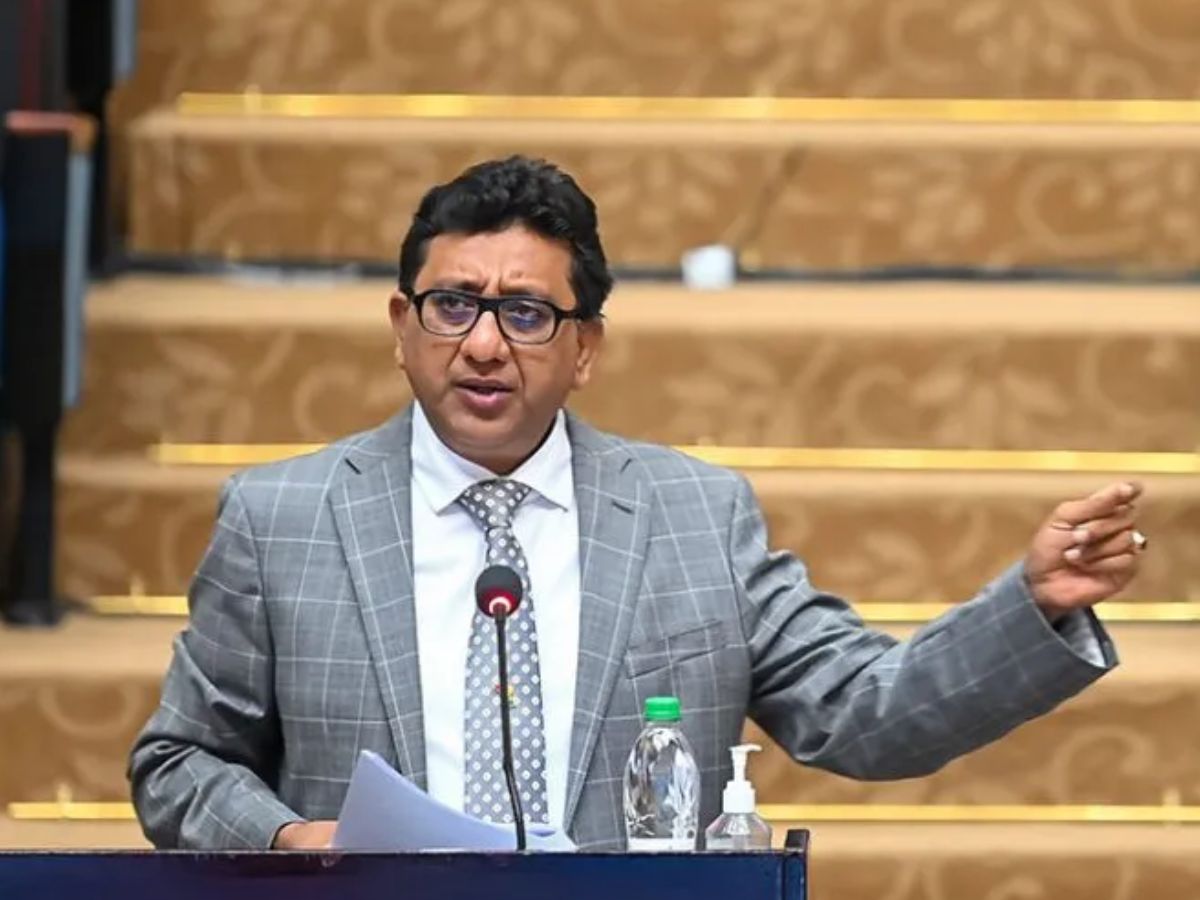
Guyana's Attorney General, Anil Nandlall, SC, has publicly denounced a wave of personal attacks directed at Justice Winston Anderson, President of the Caribbean Court of Justice. Speaking on his public broadcasting programme, Nandlall described the commentary as disrespectful and, in his words, scurrilous. His remarks were prompted by online reaction to a recent controversy involving the regional court and mark one of the most direct interventions yet by a sitting attorney general in defence of the institution.
The backlash against Justice Anderson follows a breach of confidentiality within the CCJ, after internal correspondence exchanged among the court's judges was leaked. The disclosure caused concern across the region's legal establishment. Caribbean judicial heads issued a joint statement addressing the leak, describing it as a matter of grave concern while affirming their continued confidence in the court's institutional soundness. The statement did not detail the contents of the leaked material, focusing instead on the breach itself and its implications for the confidentiality that underpins judicial deliberation.
It was against this backdrop that criticism of Justice Anderson intensified online. Nandlall pointed specifically to a Facebook post targeting the CCJ president, which he said had gone beyond fair comment. He raised the post during his broadcast, using it as the occasion to address what he sees as a broader pattern of conduct directed at the judiciary since the leak became public. The Attorney General did not name the author of the post during his remarks, choosing instead to focus on the substance of the commentary and its potential consequences.
Nandlall was careful to draw a line between legitimate criticism and conduct he considers unlawful. He acknowledged that members of the public retain the right to comment on judicial decisions and institutional matters, including the CCJ's handling of the leak. Constructive criticism, he said, has a place in public discourse about the courts. What concerned him was commentary that strayed into personal attacks on individual judges, particularly attacks lacking any factual basis. He argued that this kind of rhetoric risks something more serious than reputational damage to one individual.
The CCJ sits at the apex of Guyana's justice system, serving as the country's final court of appeal in place of the Privy Council for both civil and criminal matters. Nandlall stressed this point directly, noting that attacks scandalising the court's members carry weight beyond the personal. In his view, such conduct can bring the administration of justice into disrepute, and depending on its nature, may cross into contempt of court. He did not specify whether any legal action was under consideration in relation to the Facebook post he cited, but his language left little doubt that he regards the matter as serious rather than rhetorical.
Nandlall's intervention is not an isolated one. The Bar Council of the Bar Association of Guyana issued its own statement in the wake of the controversy, echoing many of the same concerns. The Council's statement called for the protection of the court's institutional integrity against what it characterised as unfounded public denigration, aligning closely with the Attorney General's position.
Taken together, the statements from Nandlall, the regional judicial heads and the Bar Council point to a coordinated effort within Guyana's legal establishment to defend the CCJ's standing at a moment of institutional strain. The leak that triggered the episode remains unresolved in terms of its origin and full contents, and questions about accountability within the court's own ranks have yet to be publicly addressed. For now, the debate has shifted toward the boundaries of acceptable public comment, with the Attorney General's warning serving as a marker of where he believes that line sits.

.jpg)