
.jpg)
For years, residents in Guyana's towns and cities have complained about noise from nightclubs, bars and open-air entertainment venues that operate late into the night. Local authorities have often struggled to respond, leaving many households caught between the demands of a growing nightlife economy and the basic expectation of a quiet home. The tension has simmered for some time, surfacing regularly in community meetings and complaints to local government bodies.
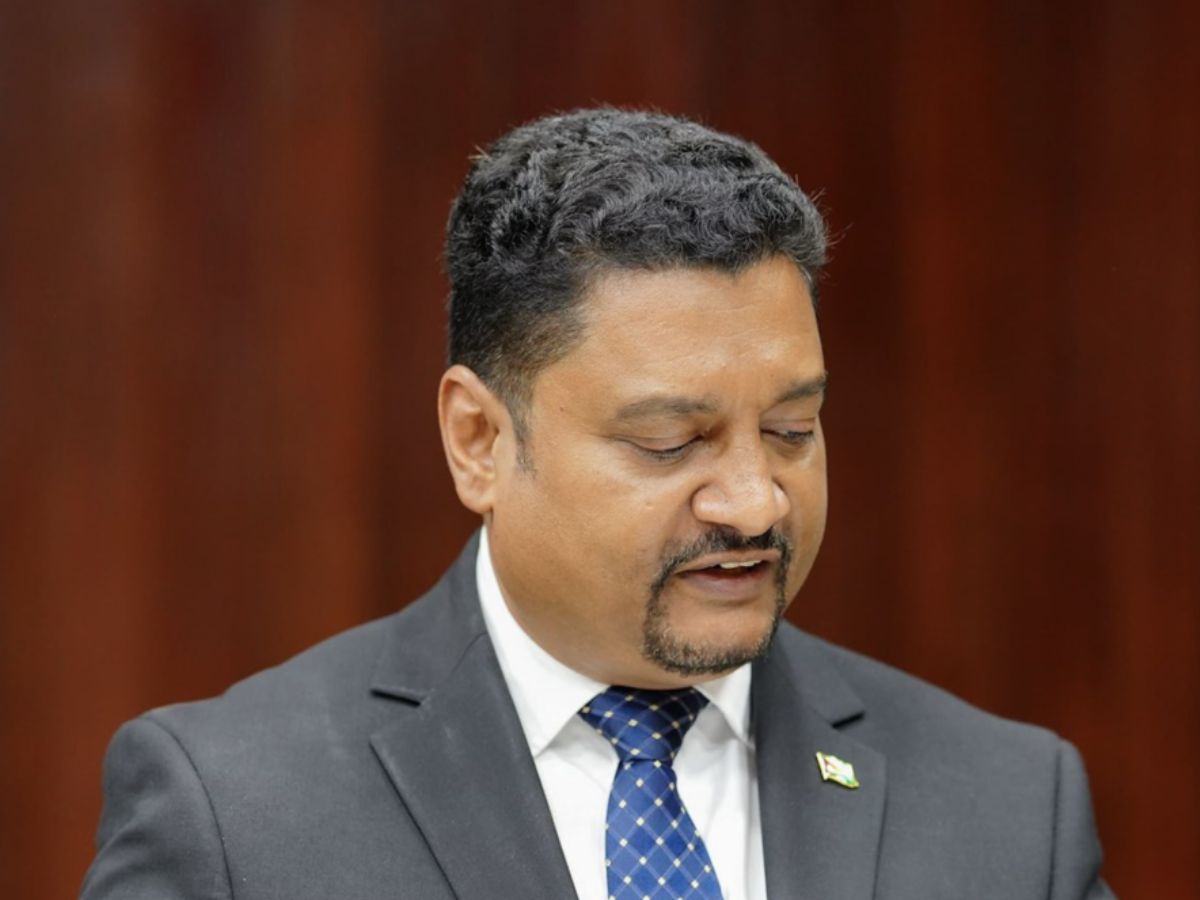
At a recent press conference, the President set out the administration's approach to the problem. He described the plan as a calibrated response rather than an outright crackdown, arguing that the entertainment sector supports jobs and tourism and should not be treated as an adversary. The government's proposal rests on three components: financial support to help venues upgrade their premises, monitoring tools that encourage operators to regulate their own sound output, and a stronger enforcement mechanism for cases where voluntary compliance fails.
The first element of the plan concerns indoor venues such as nightclubs and bars. Officials confirmed that the forthcoming national development bank will play a central role in this effort. The bank, expected to launch in the coming months, is being positioned as a source of financing for small and medium enterprises across several sectors, and entertainment venues will be among those eligible for support.
Under the scheme, existing nightclubs and bars will be able to apply for financial backing to retrofit their premises with acoustic insulation and soundproofing materials. The details of interest rates and repayment terms have not yet been finalised, though officials indicated that the terms would be more favourable than those available through commercial lending. The administration has been clear that its preference is to help businesses meet noise regulations rather than push them toward closure. Officials noted that many venue owners lack the capital to invest in soundproofing on their own, and that forcing compliance without financial assistance would likely put smaller operators out of business.
Open-air venues present a different challenge, since soundproofing is not a practical option for spaces without walls or a roof. Here, the government's strategy shifts toward monitoring and self-regulation. The Environmental Protection Agency is preparing to roll out visible, real-time decibel meters at outdoor entertainment sites. These devices will allow operators to track their sound output against legal limits as events are taking place, rather than learning after the fact that they have breached regulations.
Officials described this as a shift toward self-regulation. The expectation is that operators will adjust their own sound levels once they can see the readings, reducing the number of cases that require intervention from regulators or police. The agency has not yet specified how many meters will be deployed or which locations will receive them first.
The final part of the plan addresses a long-standing source of public frustration: enforcement. Residents have repeatedly reported that noise complaints filed with local police often go unanswered for hours, if they are addressed at all. Some have said officers arrive only after an event has ended, by which point there is little left to act on.
To address this, the government announced the creation of a cross-regional task force that will work alongside local police departments rather than replace them. The task force is intended to provide a faster, more structured response when self-regulation fails and a venue continues to exceed legal noise limits. Officials said the unit would coordinate closely with the Environmental Protection Agency's monitoring data, allowing enforcement action to be based on recorded readings rather than complaints alone.
The government has not yet given a firm timeline for when the development bank's lending scheme, the decibel meter rollout, or the task force will become fully operational. Officials said further details would be released in the coming weeks as each component moves from planning into implementation.


.jpg)