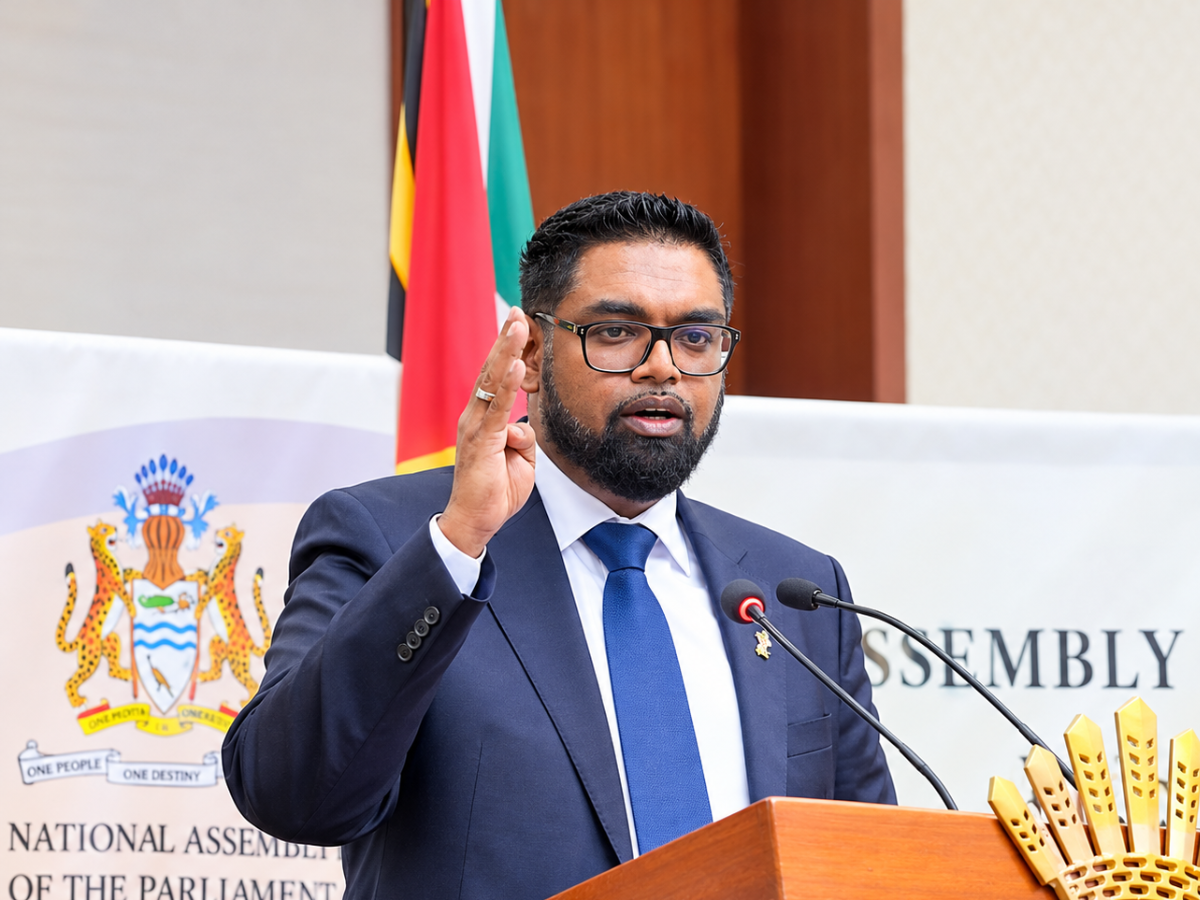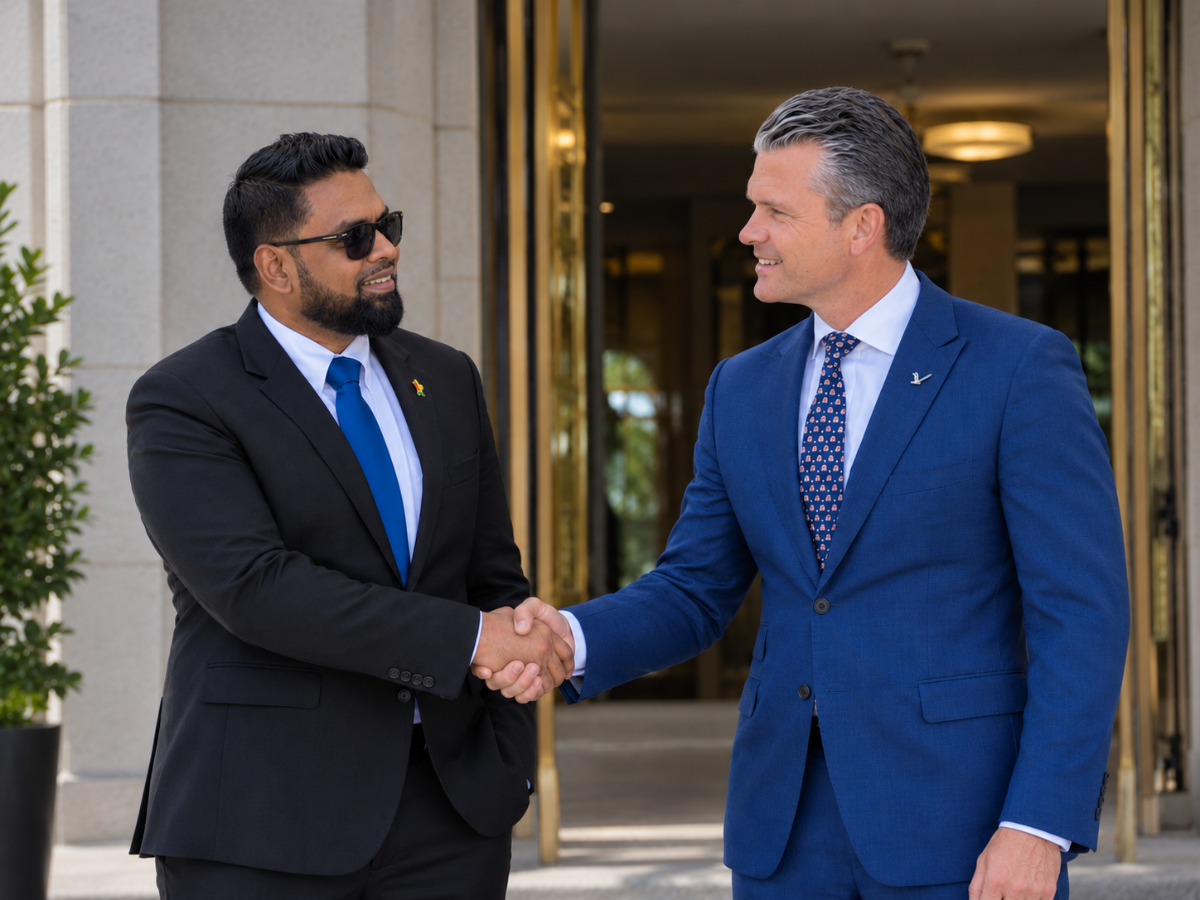
Guyana has reaffirmed its commitment to transparency, accountability and inclusive oversight of its natural resources sector at the Extractive Industries Transparency Initiative (EITI) Global Conference in Brussels. Vickram Bharrat, the Minister of Natural Resources and Guyana's national EITI Champion, led the delegation. He met international partners, industry representatives and civil society delegates to discuss resource governance.
Mr Bharrat travelled to the Belgian capital for the 68th EITI Board meeting, held at the Centre Albert Borschette, where his appointment to the Board was confirmed on 6 October. He will represent Guyana and the wider Latin America and Caribbean region for the 2026 to 2029 term. The conference itself ran on 8 and 9 October and brought together governments, the private sector, civil society and international organisations.
According to the Ministry of Natural Resources, the minister held bilateral talks with Helen Clark, the outgoing EITI Chair, and took part in roundtables with representatives from Latin America and the Caribbean. Ms Clark concluded a seven-year term as Board Chair at the Brussels conference, and Maria van der Hoeven, a former Dutch politician and former Executive Director of the International Energy Agency, succeeds her. The EITI's tripartite model seats government, industry and civil society representatives in the same forum, and the minister's engagements spanned each of those groups.
Mr Bharrat told delegates that Guyana’s handling of its natural resources has to comply with national legislation and with international standards. He gave particular weight to the EITI Civil Society Protocol, which was adopted in January 2015 and sets guidelines for assessing whether civil society can take part in the process. Among other things, the protocol asks whether civil society organisations can express opinions about the EITI process without restraint, coercion or reprisal and whether their representatives can operate freely. The minister said the government supports conditions that allow safe and structured public participation, and that it favours broad dialogue on how national resources and revenues are allocated.
Guyana's history with the initiative adds weight to those remarks. The country joined the EITI in 2017, two years after the first commercial oil discovery offshore, and its extractive sector has expanded rapidly since offshore production began in 2019. The relationship has not run smoothly. Guyana was suspended from the initiative on 17 February 2023, and the suspension was lifted in June 2024 when the country published its 2020 EITI Report. The national multi-stakeholder group has twelve members, four each from civil society, extractive companies and government agencies.
The Brussels meetings coincide with a further assessment of that record. The EITI Board agreed that Guyana's Validation would begin on 15 May, and the process measures progress in resource transparency, data disclosure and collaboration among government, industry and civil society. The Ministry says it is working on domestic structural and legal updates to align with the evolving EITI Standard.
Mr Bharrat said his Board seat would amplify the voice of Latin America and the Caribbean in global extractive governance. He also said it would reinforce Guyana's domestic commitment to open data and beneficial ownership disclosure across its oil, gas and mining sectors. The government's stated position is that multi-stakeholder collaboration will continue to guide oversight as the country enlarges its extractive footprint, with EITI reporting sitting alongside existing national mechanisms for monitoring the sector.