.jpg)
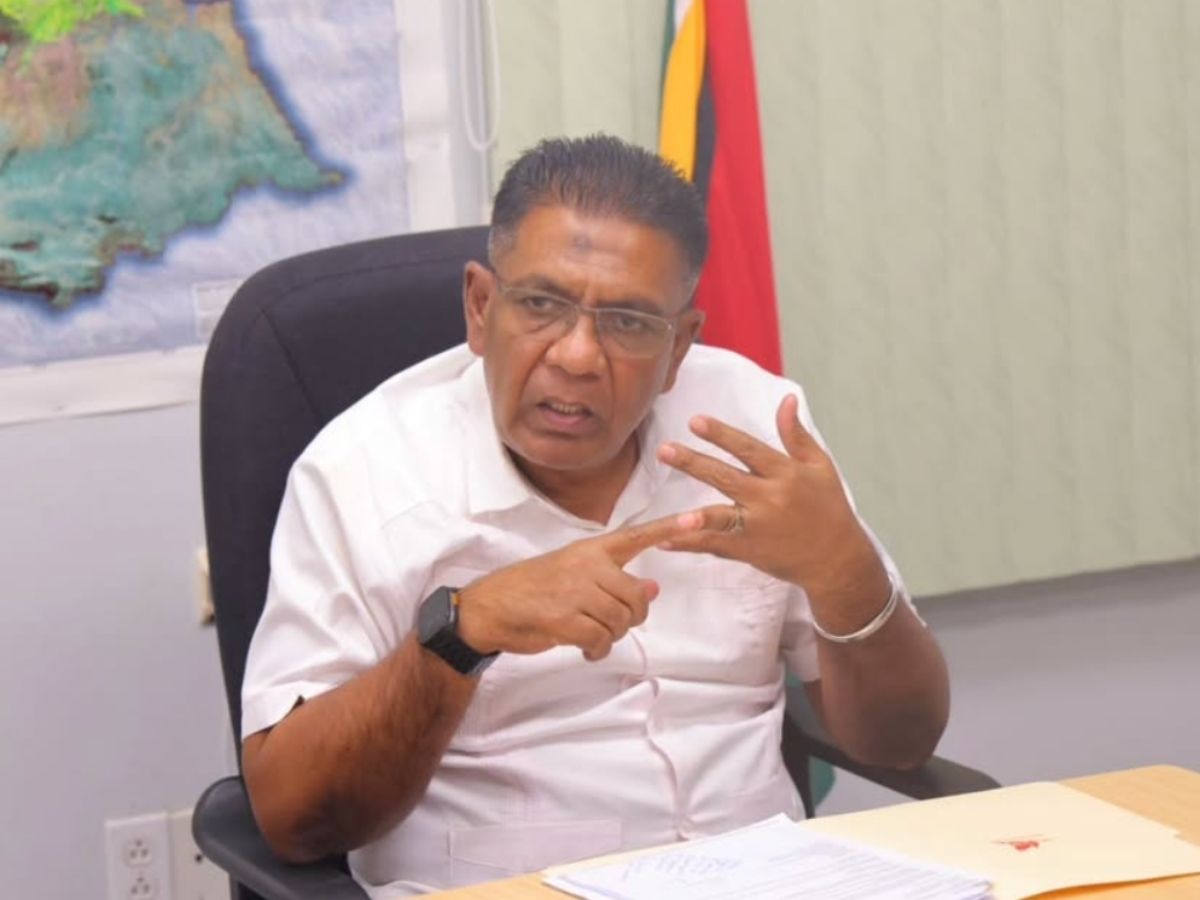
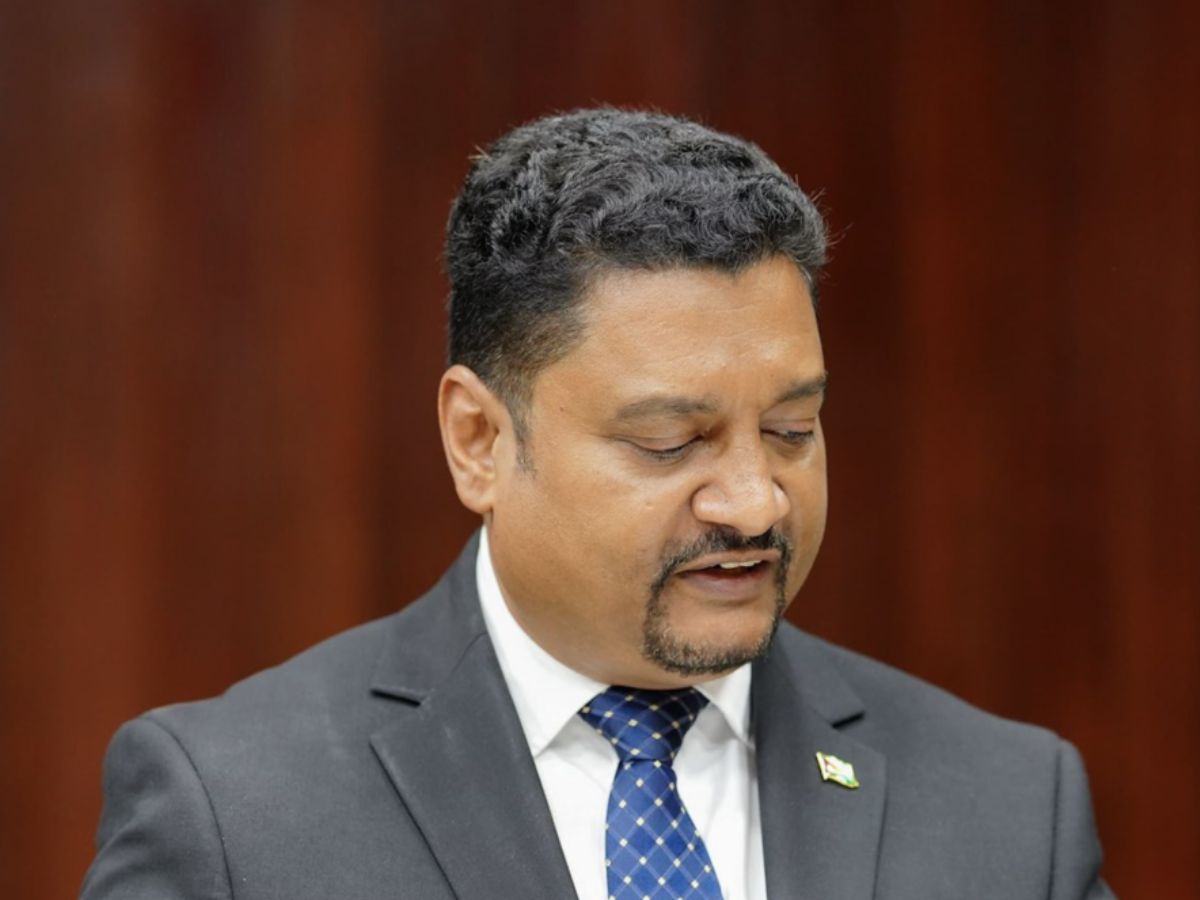
A vessel carrying Guyana's Opposition Leader, Azruddin Mohamed, was intercepted and detained by Joint Services personnel on Tuesday night, after the boat reportedly failed to respond to signals from patrolling officers. The confrontation occurred near Friendship, on the East Bank of Demerara, in an operation that has since drawn official comment from the country's maritime regulator.
The Maritime Administration Department, known as MARAD, issued a statement in the aftermath confirming that the fast craft was found to be operating without the necessary licensing. According to the agency, neither Mohamed nor the vessel itself held valid authorisation to travel on Guyana's waterways at the time it was stopped. The statement did not specify how long the craft had reportedly been in use without proper documentation, nor did it detail the exact circumstances that first drew the attention of security forces on the night in question.
MARAD's response went beyond confirming the licensing breach. Officials used the statement to address what they described as the wider risks posed by unregistered vessels operating in Guyana's waters. The agency said such craft present a threat to those on board, to other people using the waterways, and to the surrounding marine environment. This framing suggests the department is treating the incident as an opportunity to reinforce existing rules rather than simply respond to a single case involving a high profile figure.
The involvement of the Guyana Defence Force Coast Guard was also addressed directly. MARAD's statement referenced the Defence Act, under which the Coast Guard is granted authority to enforce maritime security laws across the country. This detail appears intended to pre-empt any suggestion that the stop was improperly conducted or fell outside the bounds of the security forces' legal remit. By citing the specific legislation, the agency positioned the interception as a routine exercise of established powers rather than an extraordinary or politically motivated action.
Mohamed has not issued a public response to the seizure at the time of writing. As Opposition Leader, his political profile means the incident is likely to attract scrutiny beyond the immediate question of licensing compliance, particularly given the timing and location of the stop. Guyana's political environment remains closely watched, and any action involving a senior opposition figure carries the potential to be interpreted through a partisan lens regardless of the underlying facts.
MARAD's statement closed with a general appeal to vessel operators across the country, urging strict adherence to licensing and safety regulations. The agency stopped short of confirming what will happen next. It did not say whether Mohamed will face formal charges, nor did it indicate how long the detained craft will remain in state custody. This leaves open the question of whether the matter will proceed through further legal or administrative channels, or whether it will be resolved informally once the licensing issue is addressed.
The lack of clarity on next steps is not unusual in cases involving maritime infractions, where enforcement often depends on the specifics of the vessel's ownership, its registration history and the outcome of any inspection carried out after detention. Authorities frequently allow a period of investigation before determining whether penalties will be pursued, particularly when the vessel in question has not caused direct harm or damage during the incident itself.
For now, the case stands as a demonstration of how maritime regulation intersects with domestic politics in Guyana. The outcome, whether it results in penalties, a resolved licensing dispute or no further action, will likely be watched closely by observers tracking both the country's enforcement of waterway law and the broader political dynamics surrounding its opposition leadership.

.jpg)