.jpg)
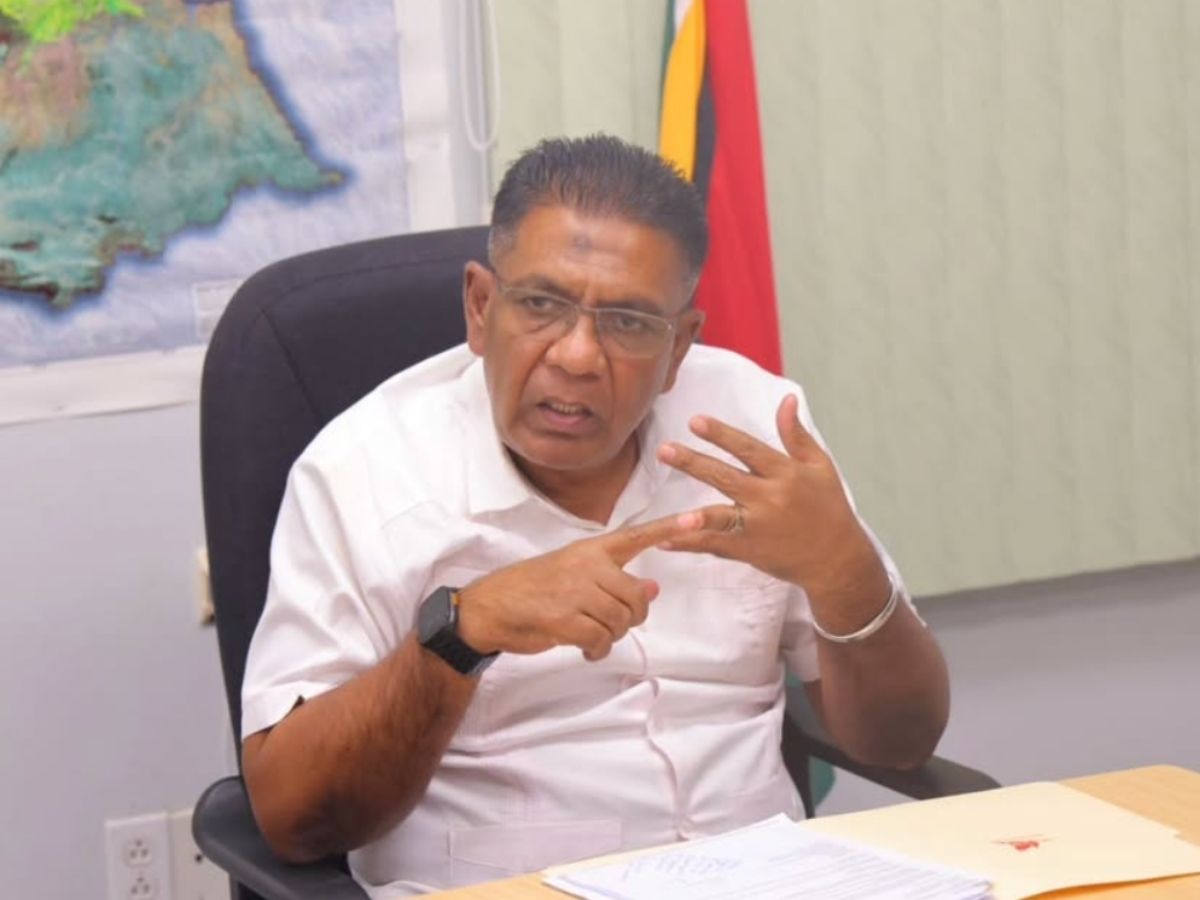
Dr Komal Singh, the former chairman of Guyana's Private Sector Commission, has publicly defended President Dr Irfaan Ali's ownership of a commercial poultry farm, arguing that entering public office should not require a person to abandon business interests built up long before they held power. Singh's position centres on a simple premise: leadership demands sacrifice, but not the forfeiture of legitimate enterprise established through legal means and personal risk.
The intervention comes as the President's farm on the Linden Highway has drawn renewed scrutiny, with questions raised about how the operation was financed and how it grew to its present scale. Singh has sought to reframe the discussion, presenting the farm not as a conflict of interest but as an example of the kind of private investment the government wants to see more of across the country.
The poultry operation dates back to 2012, well before Ali assumed the presidency in 2020. According to the timeline Singh has outlined, the farm began on a plot of forested land near the Linden Highway and was capitalised through conventional commercial bank loans rather than any state resources. Records connected to the financing show an initial credit facility sought in July 2012 to establish the farm on leased acreage, followed by a further request for working capital submitted to the same lender in 2015. Singh points to this sequence as evidence that the enterprise followed an ordinary commercial path, built gradually rather than assembled overnight.
From those beginnings, the farm expanded into a significant supplier to established businesses in the sector. Singh attributes that growth to years of reinvestment, disciplined financial management and standard business practice, rather than to any advantage drawn from public office. He has been careful to frame the farm's trajectory as unremarkable by the standards of Guyanese agribusiness, where reinvestment over a decade can turn a modest plot into a substantial operation.
Singh has also linked the President's private venture to the direction of government policy. Ali's administration has placed food security and import reduction at the centre of its agricultural agenda, promoting local farming, agro-processing and crop cultivation as ways to reduce reliance on imported goods. Singh argues that the President's own investment sits comfortably alongside that platform, and that having a head of state with direct experience in commercial farming lends credibility rather than suspicion to the policy.
Beyond the specifics of the farm, Singh has framed the President's example as a broader appeal to entrepreneurship. He has suggested that Ali's willingness to build and maintain a private business alongside his political career sends a signal to the wider population that investment and enterprise, not only salaried employment, offer a route to economic advancement. For Singh, this is the more important message buried beneath the current controversy.
On the criticism itself, Singh has been dismissive, describing the scrutiny as speculation that distracts from the country's wider economic record. He has urged the public to judge the administration on its results, its transparency and its record of integrity, rather than on questions he regards as settled by the ordinary facts of the farm's history.
Not everyone accepts that the matter is closed. The opposition Alliance For Change has called for a full investigation into the farm's financing, arguing that the loans cited so far, totalling roughly 48 million Guyanese dollars, fall well short of what would be needed to build an operation of the scale now in operation. The party has said that explanations offered to date raise further questions rather than resolving them, and has called on the President to provide a fuller account directly. That dispute over the financing detail remains unresolved, and is likely to shape how the wider debate over the farm develops in the coming weeks.

.jpg)