Guyanese authorities have formally established a Commission of Inquiry into the sinking of the MV Barima, a ferry disaster that claimed dozens of lives and ranks among the country's worst maritime tragedies. The president announced on Sunday that a five-member panel drawn from across the Caribbean and Europe would examine the circumstances of the sinking, chaired by Justice Godfrey Phillip Smith of Belize.
The inquiry carries a wide mandate. Commissioners have been instructed to determine how passengers boarded the vessel and how cargo was loaded prior to departure, and to assess whether these procedures met required standards. They will also examine the seaworthiness of the MV Barima itself, including its maintenance history and the physical condition of the vessel at the time it sailed.
Crew competency forms a further strand of the investigation. The panel must establish whether those operating the ferry held appropriate qualifications and whether their conduct in the period before and during the disaster met professional expectations. Separately, commissioners will scrutinise the emergency response that followed the sinking, considering how quickly search and rescue operations were mounted and whether the resources deployed were adequate to the scale of the emergency.
Underpinning all of these strands is a question of accountability. The commission has been asked to establish whether negligence, regulatory failure or dereliction of duty on the part of any individual or institution contributed to the loss of life, and to identify where responsibility lies.
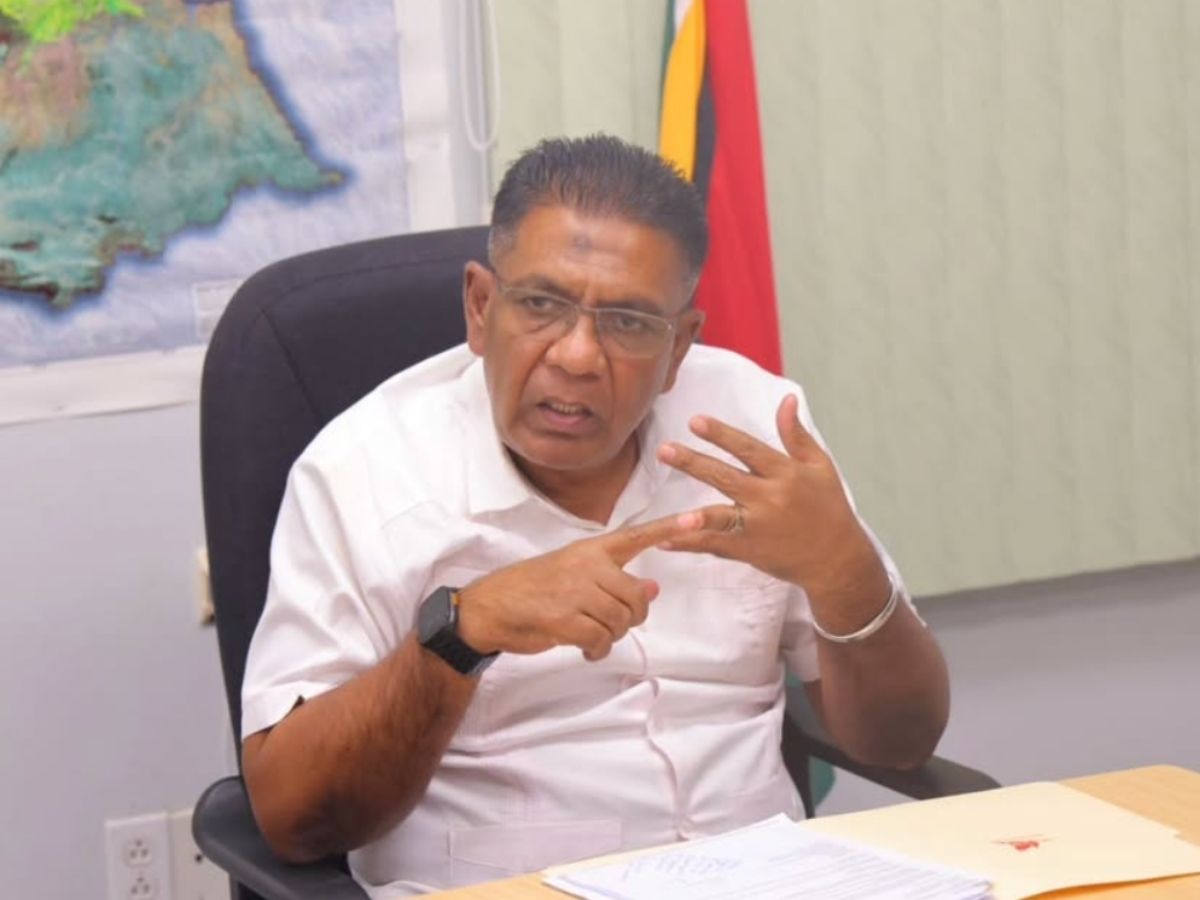
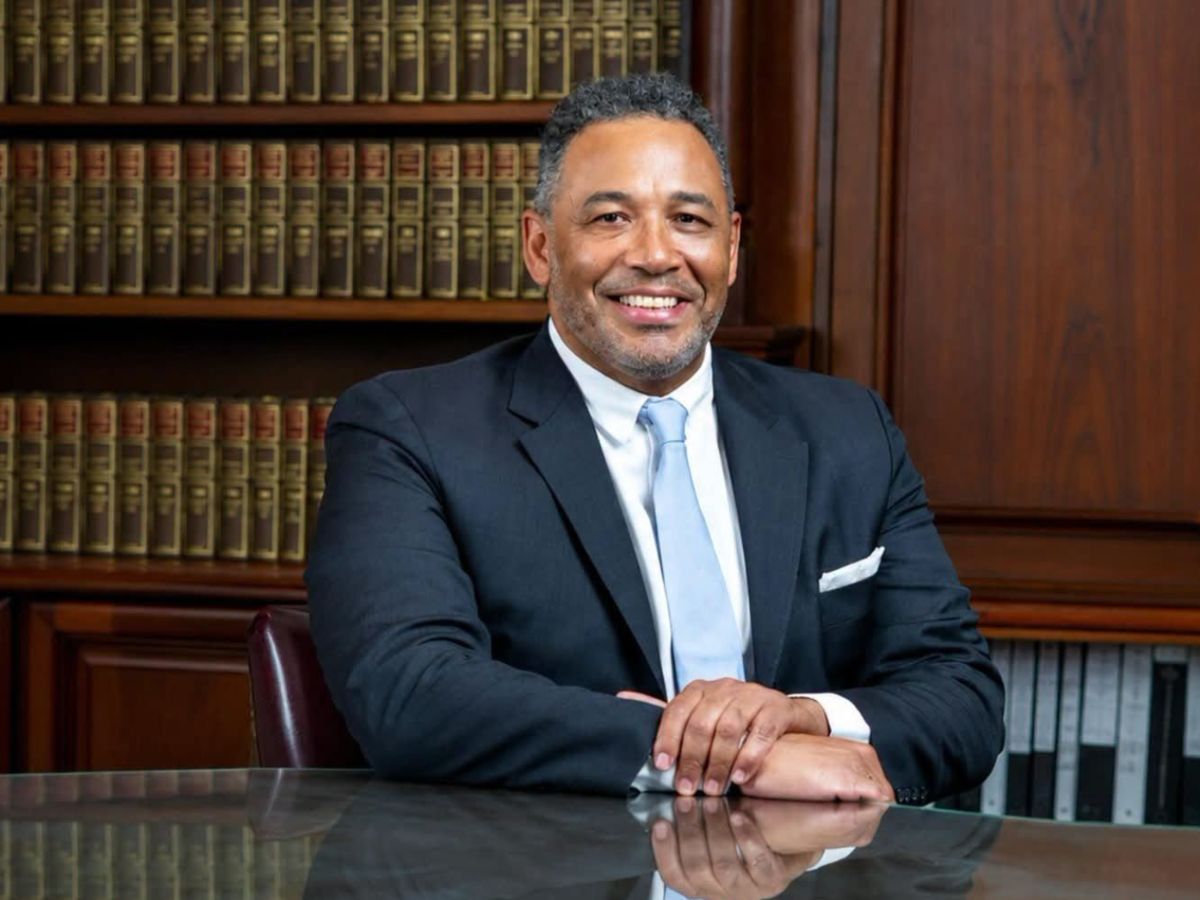
The panel itself brings together specialists in maritime law, naval engineering and security. Justice Smith, who chairs the commission, currently sits as an ad-hoc Justice of Appeal in the Eastern Caribbean and holds a senior legal position within CARICOM. He has prior experience of Guyanese public institutions, having previously served on an electoral commission in the country.
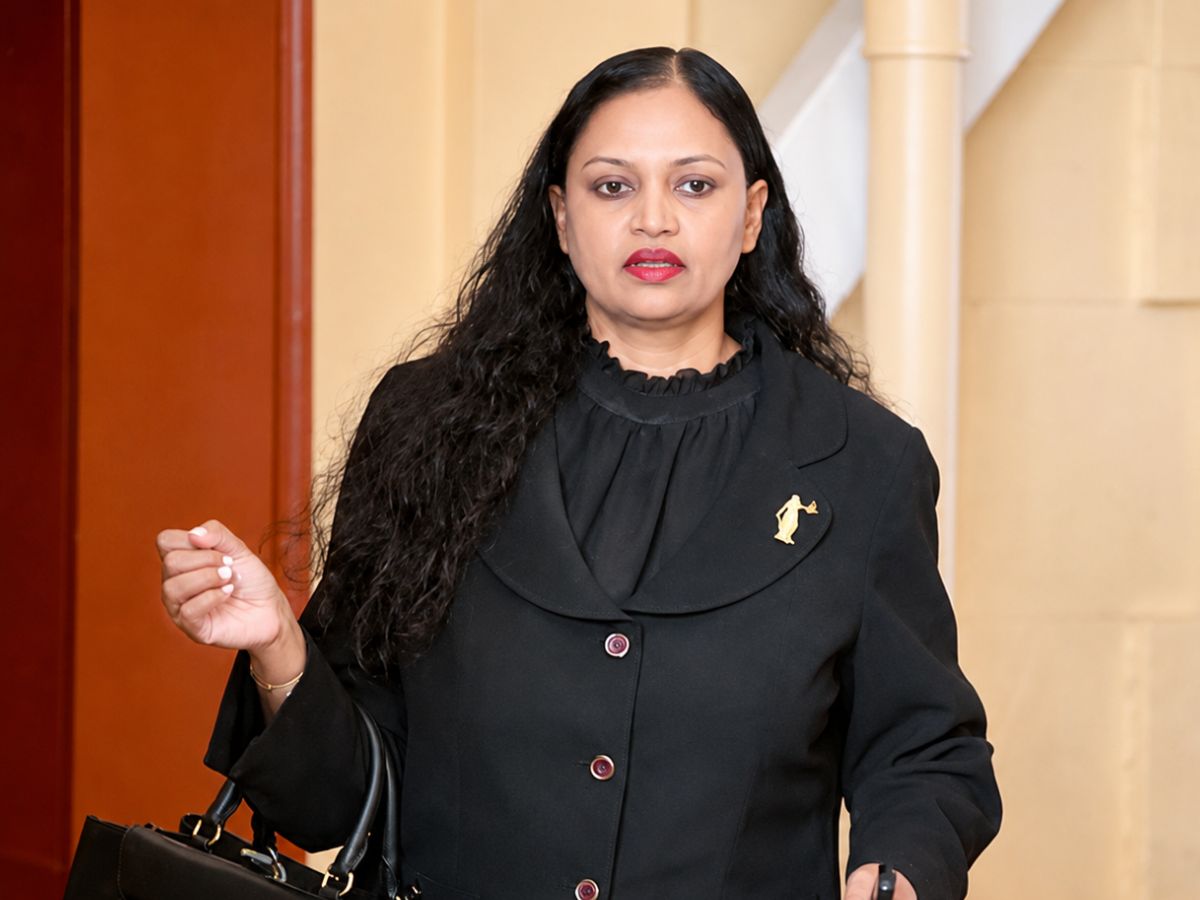
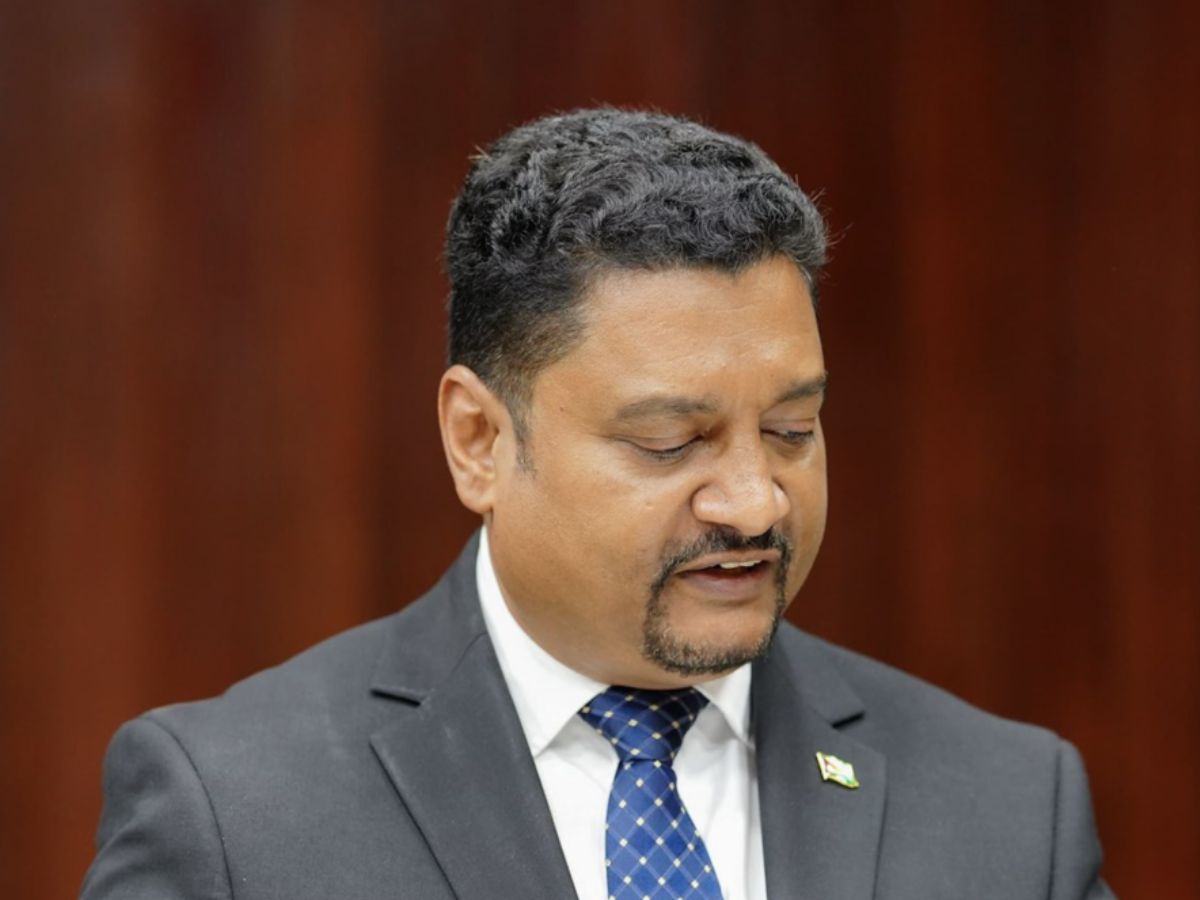
He is joined by Captain Hamada Fouda of Jamaica, a maritime surveyor whose work has centred on compliance auditing, and Nyree Dawn Alfonso, a Trinidadian attorney with a background in admiralty and maritime law. Rear Admiral (Ret'd) Hayden Pritchard, formerly Chief of Defence Staff for Trinidad and Tobago's armed forces, brings a security and operational perspective drawn from his military career. The panel's technical expertise on vessel design and failure is provided by Dr Andrzej Jasionowski, a Polish naval architect who has advised on major maritime accident investigations elsewhere in the world.
The sinking has drawn sustained public attention in Guyana, where the scale of the loss of life prompted calls for an inquiry independent of the ferry's operators and of the government agencies responsible for regulating maritime transport. The composition of the commission, weighted towards figures from outside Guyana, appears intended to address concerns about impartiality.
No timeline has yet been given for the completion of the commission's work. Inquiries of this nature typically involve extended evidentiary hearings, technical assessment of the vessel where recovery is possible, and testimony from survivors, crew members and officials involved in the response.
Once concluded, the commission is expected to produce a report setting out its findings and recommendations. These are likely to touch on the regulatory framework governing passenger vessels in Guyana, the standards applied to vessel maintenance and inspection, and the protocols in place for emergency response on inland and coastal waters. Past inquiries into ferry disasters elsewhere have frequently resulted in changes to licensing requirements and capacity limits, and observers in Guyana will be watching to see whether similar reforms follow.
For now, the inquiry represents the first formal step towards establishing what went wrong aboard the MV Barima, and whether the disaster could have been prevented.

.jpg)