
Record crude oil output from the Western Hemisphere is reshaping the global shipping market. As new production finds its way to refineries thousands of miles away in Asia, trade routes have lengthened considerably, and with them the demand for tankers capable of carrying that oil across oceans rather than along coastlines. The result is a sustained spike in vessel demand that shipping operators are only beginning to plan around.
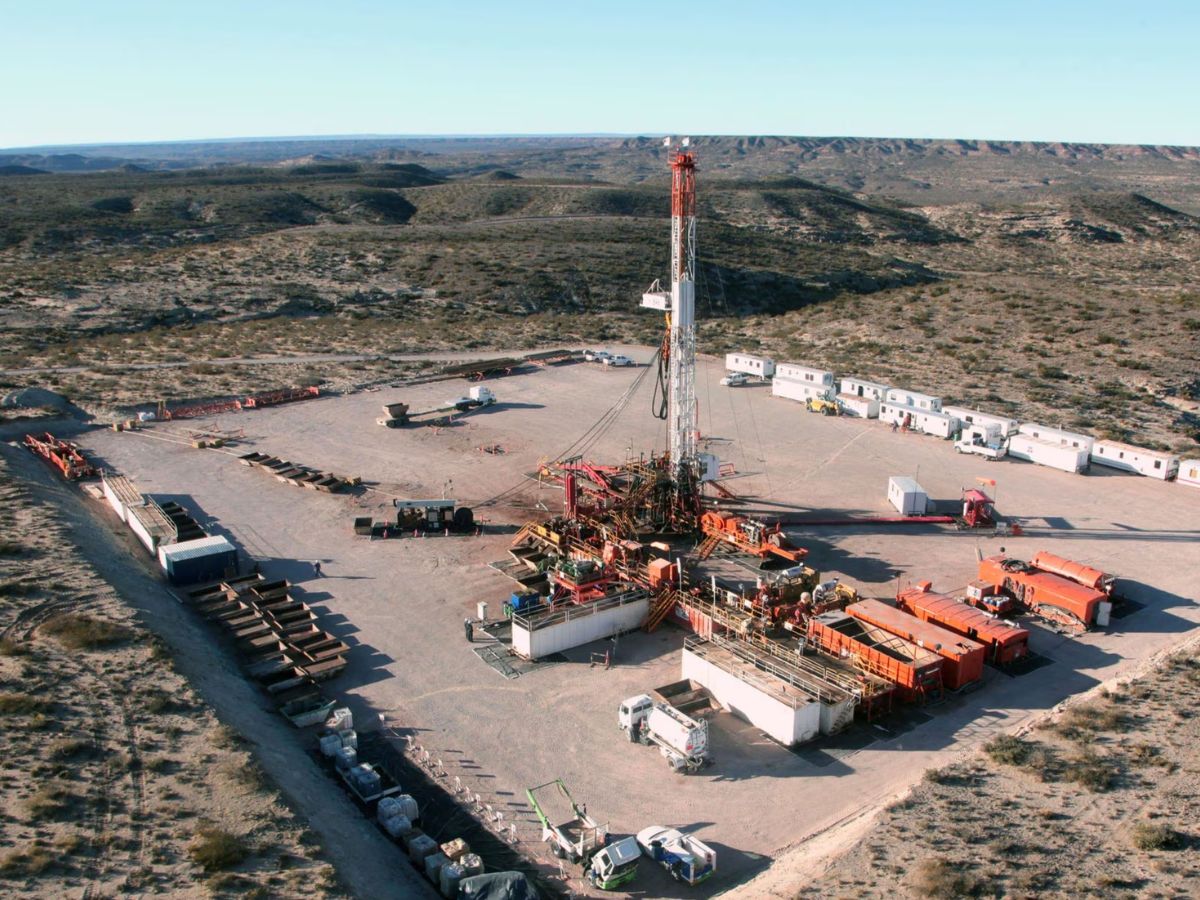
Guyana sits at the centre of this shift. Output from its offshore fields has climbed past 900,000 barrels per day, a level that would have seemed implausible a decade ago, when the country had no meaningful oil industry at all. That growth has not occurred in isolation. Brazil's offshore basins continue to expand production, Argentina's Vaca Muerta shale formation is sending increasing volumes of crude to export terminals, and onshore output in the United States remains near record levels. Taken together, these gains amount to a structural expansion of the global export pool, not a temporary surge tied to a single field or a single year.
Underlying this production growth is a broader rebalancing of where crude oil is extracted and where it is consumed. Refining capacity has been growing fastest in Asia, particularly in China and India, while production growth has concentrated in the Americas. Even setting aside the disruptions caused by sanctions on Russian and Iranian barrels, this west-to-east dynamic would still be steering the physical flow of oil. Crude that once moved relatively short distances, from the Gulf of Mexico to the US East Coast, or from West Africa to Europe, is increasingly loaded onto vessels bound for ports on the other side of the world.
That distance matters more than the volume of oil alone might suggest. Shipping economists measure demand in ton-miles, a figure that combines the weight of cargo with the distance it travels. A barrel of Guyanese crude bound for a refinery in Ningbo occupies a tanker for far longer than the same barrel would if it were headed to a refinery in Louisiana. Ships that would otherwise be available for another charter within days are instead committed to voyages lasting six weeks or more. The practical effect is a tightening of available tonnage even when the total number of vessels in service has not changed. Operators have responded by moving ships between classes, deploying very large crude carriers on routes once served by smaller Suezmax or Aframax tankers, in an effort to match capacity with the new geography of demand.
International Seaways is among the operators making that adjustment permanent rather than temporary. The company has commissioned new long-range vessels for delivery over the coming years, a commitment that runs into hundreds of millions of dollars and reflects confidence that the Americas-to-Asia trade will remain profitable well beyond the current cycle. Other operators have made similar moves, ordering newbuilds specifically suited to long-haul crude routes rather than the shorter regional trades that dominated tanker fleets in previous decades.
The medium-term outlook points toward further reliance on long-haul shipping rather than less. Additional drilling projects in Guyana, Brazil and Argentina are expected to come online over the next several years, adding still more barrels to a supply chain that already stretches across oceans. As that happens, the tanker industry's exposure to the Americas-to-Asia route looks set to deepen. For an industry accustomed to volatile freight rates and short-lived booms, the current expansion carries the marks of something more durable: a long-haul trade built on geology and geography that is unlikely to reverse itself in the near future.

.jpg)
.jpg)
.jpg)
.jpg)