
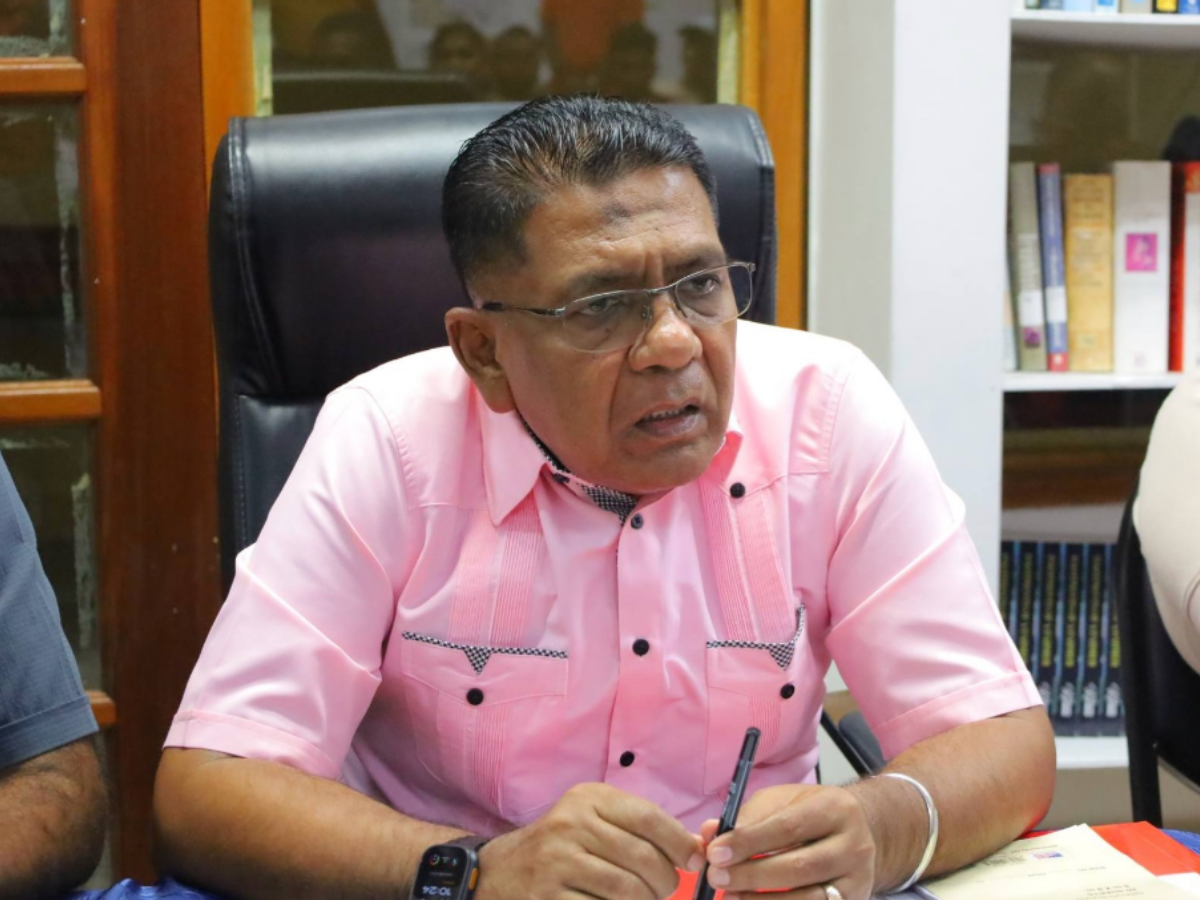
Guyana's mangrove coverage grew by 31 per cent between 2020 and 2025, according to figures released by Agriculture Minister Zulfikar Mustapha to mark the International Day for the Conservation of the Mangrove Ecosystem on 26 July. The minister described the increase as encouraging but warned that pollution along the coast, particularly from plastic waste, threatens to erode the progress made.
Mustapha said mangroves function as a natural barrier for Guyana's low-lying coastline, protecting communities from erosion and storm surges while supporting fisheries and biodiversity. He called them "part green shield, part nursery and part storehouse for carbon" and said their role sits within the country's Low Carbon Development Strategy 2030.
The government has directed close to GY$1 billion towards mangrove management and restoration in recent years. Eleven green-grey infrastructure projects have been completed across Regions Two, Four and Five, work the minister said has benefited more than 11,000 people by strengthening protection for homes, farms, roads and livelihoods against coastal erosion and flooding.
According to national mangrove mapping, coverage increased by 6,028 hectares, from 19,616 hectares in 2020 to 25,644 hectares in 2025. That growth was recorded across Regions One, Three, Four, Five and Six. The trend was not consistent everywhere. Region Two recorded a fall from 4,966 hectares in 2020 to 3,567 hectares in 2025, a loss of 1,399 hectares. Nationally, coverage also dipped from 24,517 hectares in 2023 to 22,799 hectares in 2024 before recovering the following year. Mustapha said the fluctuation illustrated why continued monitoring matters, telling Guyanese that the coast changes and vigilance has to change with it.
The minister's central warning concerned waste. A coastal assessment carried out in 2026 found visible waste at 53 of 60 surveyed locations across Regions Two to Six, with plastic packaging present at 51 of those 53 affected sites. He said discarded material can smother young mangrove seedlings, obstruct water flow, harm wildlife and contribute to flooding by clogging drainage systems. Waste dumped inland, he argued, does not disappear but travels through drains, canals and kokers until it settles among mangrove roots, meaning that restoration spending alone cannot resolve the problem while dumping continues upstream.
Mustapha appealed directly to households and businesses to change their waste habits, calling on residents to use approved disposal services, secure bins and rubbish bags properly, keep waste out of drains and waterways, and reduce reliance on single-use plastics. He asked schools, community groups and local authorities to organise clean-up campaigns, improve environmental education and report illegal dumping where it occurs. Businesses, he said, also have a role in tightening their own waste management practices.
The government's monitoring effort rests with the National Agricultural Research and Extension Institute and the Mangrove Management Action Network, which track changes in coverage and coordinate restoration work on the ground. The Guyana Mangrove Information System, known as GuyMIS, allows officials to follow shifts in coverage more closely and direct resources to areas showing decline before losses become severe. Mustapha added that not all losses are obvious and that the mapping data frequently identifies issues before they are apparent from the roadside.
The minister closed his message by describing environmental stewardship as a responsibility shared across government, business and individual households, saying the scale of investment made so far only holds value if the underlying causes of pollution are addressed at the same time.

.jpg)
.jpg)
.jpg)
.jpg)