
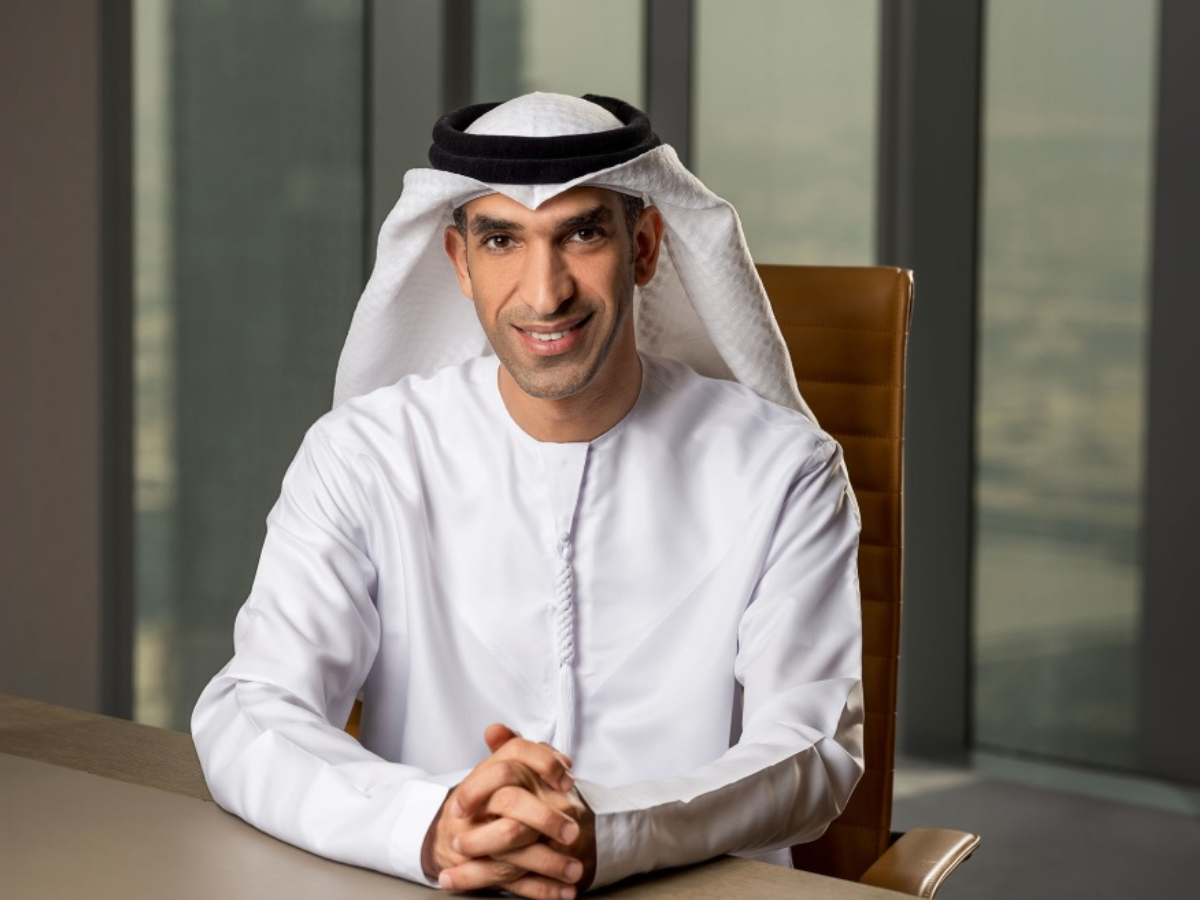
The United Arab Emirates has concluded a five-nation tour of South America, sending a senior delegation through Panama, Paraguay, Argentina, Chile and Guyana over eight days of talks with heads of state and private-sector leaders. The mission was led by Dr Thani bin Ahmed Al Zeyoudi, the Minister of Foreign Trade, and forms part of a wider effort to widen the UAE's global partnerships and open private-sector access to resource-rich markets across Latin America.
The delegation combined government officials with representatives from the private sector, reflecting an approach that pairs state diplomacy with commercial deal-making. Officials and executives held discussions on renewable energy, food security and agriculture, financial services, mining and technology, sectors identified as priorities for future investment on both sides. The tour falls under the UAE's ongoing "Trade Days" initiative, a programme intended to reduce the country's reliance on oil revenue and position it as a connecting point within global supply chains.
In Paraguay, the delegation took part in the Mercosur Summit in Asunción, a gathering of the regional trade bloc that includes Argentina, Brazil, Paraguay and Uruguay as full members. Non-oil trade between the UAE and Mercosur countries reached $6.2 billion in 2025, according to figures cited during the visit. Attendance at the summit allowed the UAE to engage with the bloc as a collective body rather than negotiating separately with each member state, a method officials say improves the efficiency of future trade arrangements. Rather than pursuing a country-by-country strategy alone, the delegation used the summit to establish a foothold with the bloc as a whole, while continuing bilateral talks in parallel.
The Guyana leg of the tour offered a clear example of this bilateral dimension. In Georgetown, Dr Al Zeyoudi met with President Dr Mohamed Irfaan Ali to discuss avenues for deeper cooperation. The two sides exchanged formal greetings on behalf of their respective leaderships and reaffirmed an interest in expanding commercial ties, with particular attention to sectors where Guyana's growing economy and the UAE's investment capacity might align. Guyana's rapid expansion, driven largely by offshore oil production, has drawn interest from a range of international partners in recent years, and the UAE's visit adds to that pattern of engagement.
Officials from both governments described the meeting as constructive, though neither side announced binding agreements at this stage. The talks were framed instead as groundwork for future commercial development, with both parties indicating a willingness to continue discussions in the coming months.
Dr Al Zeyoudi closed the tour by pointing to the importance of sustainable development and the establishment of long-term economic agreements that benefit both regions. His remarks centred on building partnerships that extend beyond short-term trade gains, with an emphasis on mutual growth across the sectors identified during the mission. He suggested that the relationships formed during the visit would serve as a basis for further cooperation rather than a conclusion in themselves.
The five-nation tour illustrates the UAE's continuing effort to diversify its economic relationships beyond traditional partners in Europe, Asia and the Gulf. By engaging with both individual governments and a regional bloc within the same trip, the delegation sought to maximise the reach of its diplomatic effort while minimising duplication of work. For Latin American nations, the visit represents an opportunity to draw new sources of investment at a time when several economies in the region, including Guyana's, are undergoing significant structural change.
The tour is likely to be followed by further ministerial visits and trade missions as the UAE works to translate these early discussions into formal agreements. For now, officials on both sides describe the trip as a foundation for a relationship they expect to develop over the coming years, with renewable energy and agriculture likely to feature prominently in early negotiations.

.jpg)
.jpg)
.jpg)
.jpg)