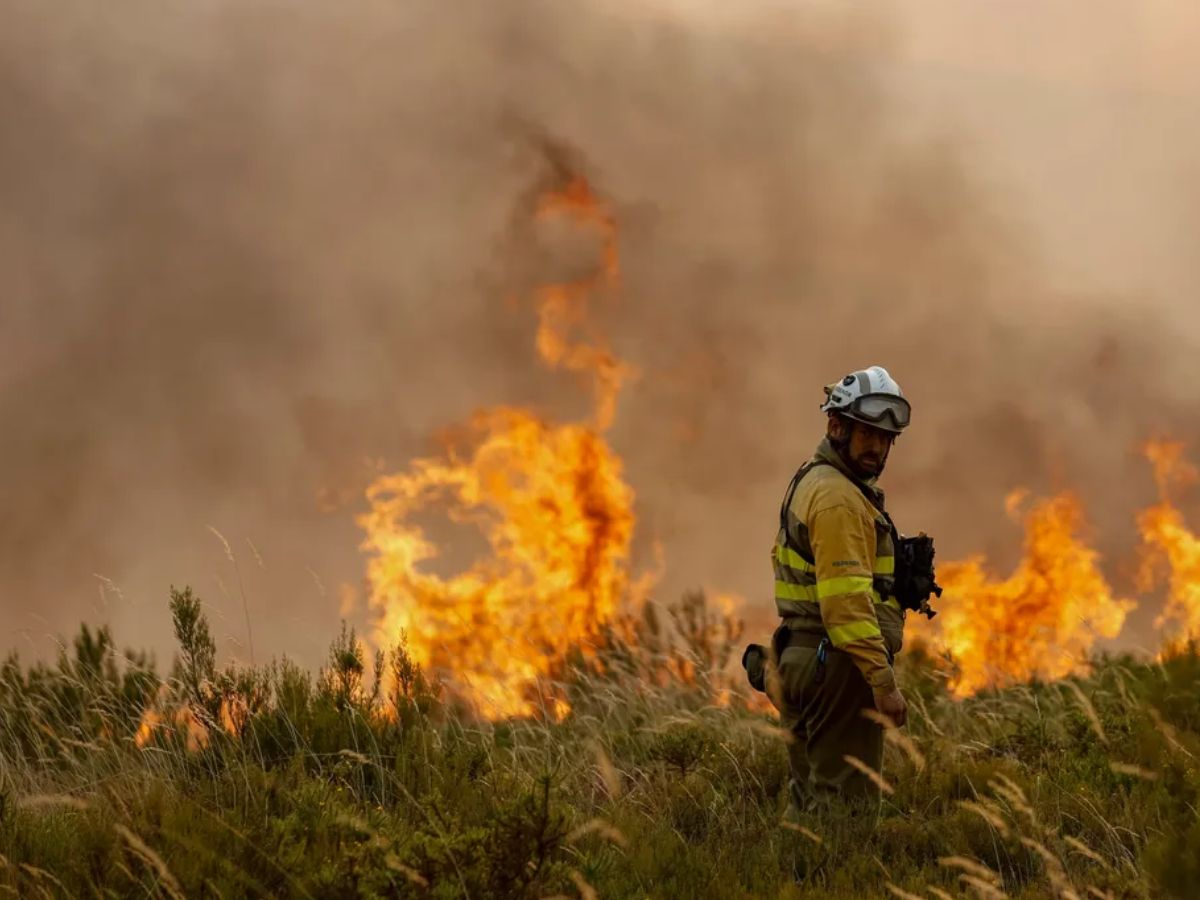
Wildfires in Europe are no longer a problem confined to the parched hillsides of the Mediterranean. This summer, fire crossed into countries that had rarely needed to plan for it. Scotland, Ireland and parts of southern Scandinavia recorded conditions dry enough to sustain major blazes, a shift that is prompting governments across the continent to reconsider how land is managed and how health systems prepare for disaster.
The fires themselves are mostly started by human activity, whether accidental or deliberate. What has changed is how far and how fast they spread once alight. Warmer, drier summers have left vegetation in places that were once reliably damp primed to burn, while shifts in land use, including the abandonment of traditional grazing and forestry practices, have left more fuel on the ground. A developing El Niño is expected to add further disruption to rainfall and temperature patterns in the coming months, raising the risk further still.
The scale of the damage this year illustrates the trend. By early September, more than 640,000 hectares had burned across the European Union, according to data from the European Forest Fire Information System. That figure sits below the record set in 2025, the worst year since records began, but it remains well above the twenty year average of around 328,000 hectares. Spain and Portugal bore the brunt during a punishing spell in mid-August, when the two countries together lost over 500,000 hectares, their highest burnt area ever recorded for that point in the season.
It was further north that the season produced its most unexpected emergency. In mid-July, a wildfire broke out in the Cairngorms National Park in the Scottish Highlands. Exceptionally dry ground conditions allowed the fire to burn into the peat beneath the surface, creating hotspots that resisted conventional firefighting for weeks. Gamekeepers, farmers and estate workers joined fire crews battling the blaze, which at one stage was reported to be largely contained before flaring up again. On 24 July, a sudden change in wind direction sent the fire towards the village of Nethy Bridge. Police Scotland declared a major incident and residents were evacuated as a precaution, with smoke from the fire reaching as far as Aberdeen.
Researchers studying the shift say the underlying problem is one of perception as much as weather. Landscapes long regarded as too wet to burn can dry out during extended warm spells, leaving vegetation that looks green but carries little moisture. Authorities in newly affected regions have urged the public not to assume that a lush appearance means a low fire risk, and have repeated warnings about campfires and other accidental ignition sources during dry periods. Prevention, most agree, cannot rest on emergency response alone. It depends on how land is managed over years, not days, and on adapting practices that were designed for a cooler, wetter climate.
That recognition is now feeding into public health planning. The World Health Organisation's Strategic Toolkit for Assessing Risks, a methodology used to help governments identify and prioritise emergency health hazards, has been applied in countries with little recent experience of major fires. Ireland and Cyprus have each completed their first national workshops using the toolkit this year, bringing together health officials and other sectors to weigh the risks posed by heat and wildfire alongside more familiar hazards. The World Health Organisation has now run 38 such assessments across Europe since 2018.
Officials involved in that work describe extreme heat and wildfire as risks that have moved beyond the environmental sphere and into public health more broadly. Smoke exposure, disrupted health services and strain on vulnerable populations are all consequences that can outlast a fire long after it has been extinguished. As the geography of European wildfire continues to shift northward, the countries least accustomed to it are being asked to build the same kind of readiness that Mediterranean nations developed over decades, and to do so quickly.