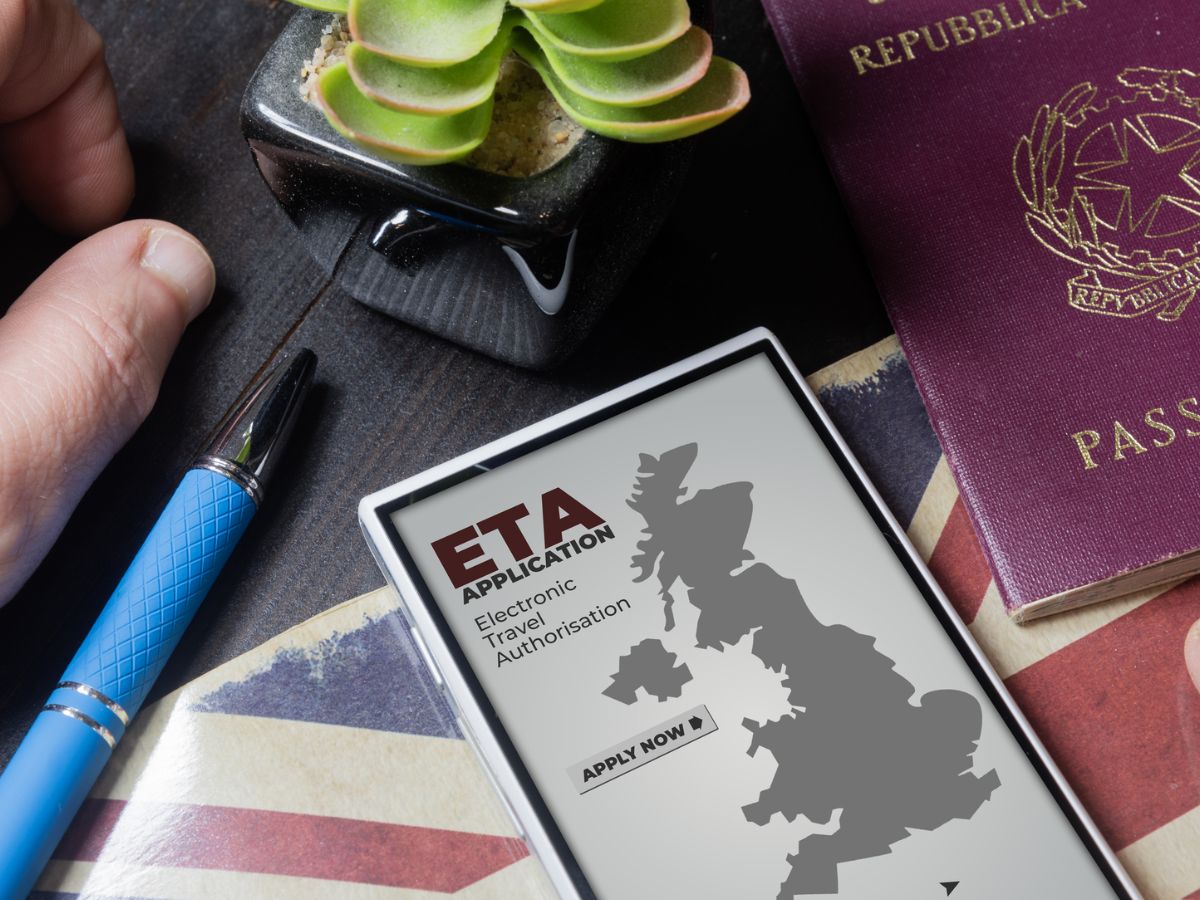
Airlines are facing mounting operational and financial pressure as governments roll out digital travel authorisations without agreeing a common standard for verifying them. The shift from paper visas to electronic documents was meant to simplify travel. Instead, it has pushed the burden of checking whether a passenger is actually entitled to board onto airline staff, who must now interpret a patchwork of national systems with little consistency between them.
Industry representatives say check-in agents are increasingly required to verify credentials presented in whatever form a government happens to issue them, whether that is a PDF attachment, an email confirmation, a QR code or a login to a bespoke national portal. In many cases this still comes down to a manual check performed by an individual member of staff under time pressure, rather than an automated system that can confirm entry clearance in seconds.
The financial consequences of getting this wrong are considerable. Airlines that board a passenger later found to be inadmissible can face fines of up to $10,000 per traveller. Beyond the penalty itself, carriers are often liable for the cost of detaining the passenger, housing them until a return flight is available, and arranging deportation. These costs fall entirely on the airline, regardless of whether the error stemmed from a misleading government website or a document format that gave staff no easy way to confirm its validity.
The problem is compounded on multi-leg journeys, where a passenger may need to satisfy the entry requirements of a transit country as well as their final destination. Regulations differ between jurisdictions, and what counts as sufficient proof of a valid visa in one country may not be recognised in another. Airport staff handling connecting flights must therefore apply several sets of rules simultaneously, often with limited guidance and no shared verification tool to fall back on.
Industry bodies are now pressing for electronic verification systems that confirm a passenger's status before they reach the departure gate, rather than leaving the check at the point of boarding. Interactive Advance Passenger Information, known as iAPI, allows airlines to exchange data with border authorities in real time during check-in, automatically confirming that a passenger has clearance to enter their destination. Take-up has been slow. Fewer than 30 countries currently operate a fully integrated iAPI system, leaving the majority of routes reliant on older or manual processes.
A further option under discussion is the International Civil Aviation Organisation's Digital Travel Authorisation, or DTA, a digitally signed and tamper-proof credential designed to be authenticated consistently across different countries' border systems. Because the document carries a standard format wherever it is issued, it would remove much of the guesswork currently facing airline staff when assessing documents from unfamiliar jurisdictions.
There is also support for expanding pre-airport digital verification, allowing travellers to confirm the validity of their visa before they arrive at the terminal. Proponents argue this would ease congestion at check-in desks and reduce the administrative errors that arise when staff are forced to make rapid judgements under queue pressure, with corrections becoming far harder once a passenger has already reached the gate.
Global aviation authorities have been careful to frame these proposals as a matter of technical alignment rather than a challenge to national sovereignty. They stress that adopting shared verification standards would not affect any country's right to set its own immigration policy. The aim, they say, is to ensure that whatever policy a government chooses can be checked efficiently and securely at the point of travel, rather than leaving airlines to interpret inconsistent evidence with imperfect information.
For now, industry groups are calling on governments to work with carriers before new digital visa systems are deployed, rather than after problems emerge at the gate. Airlines argue that early consultation would allow verification requirements to be built into check-in systems from the outset, reducing the likelihood of delays, fines and disputes once a system goes live.