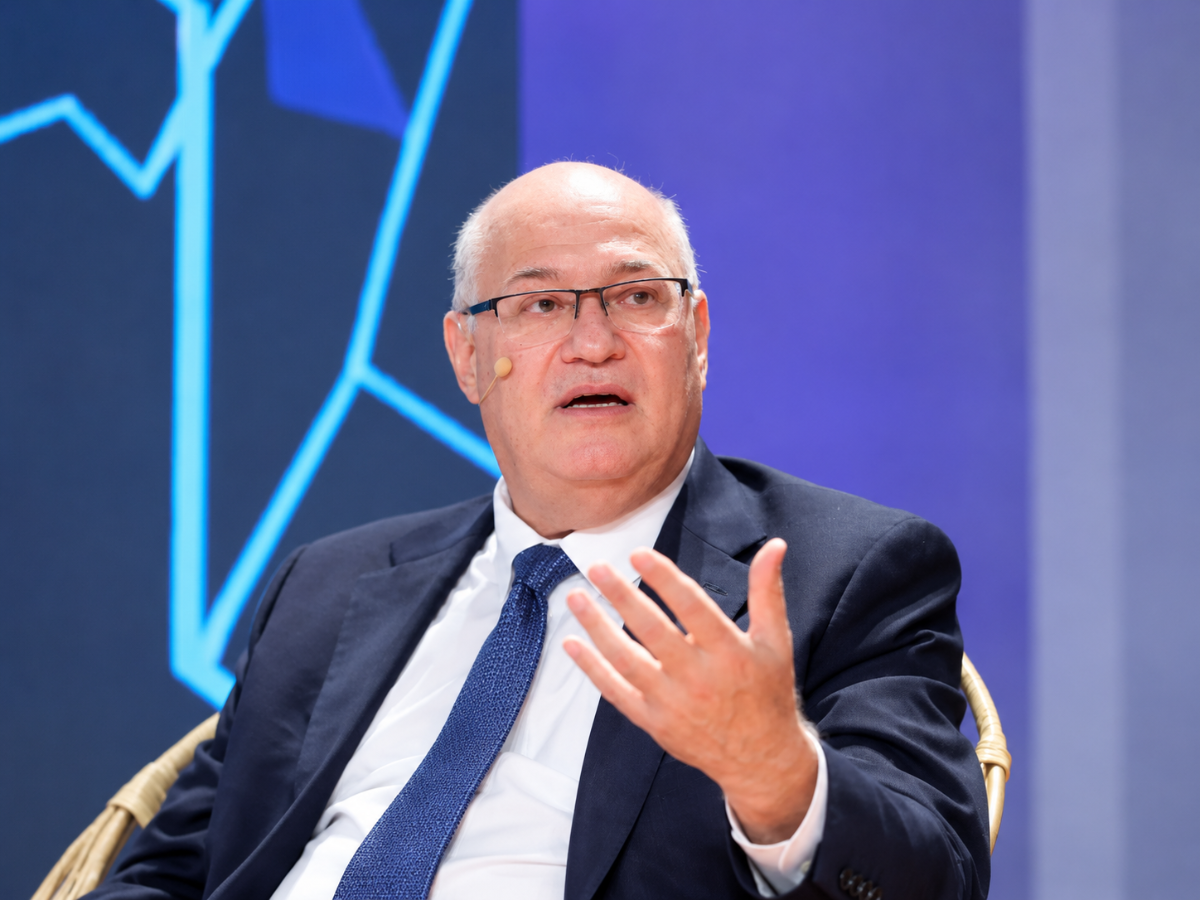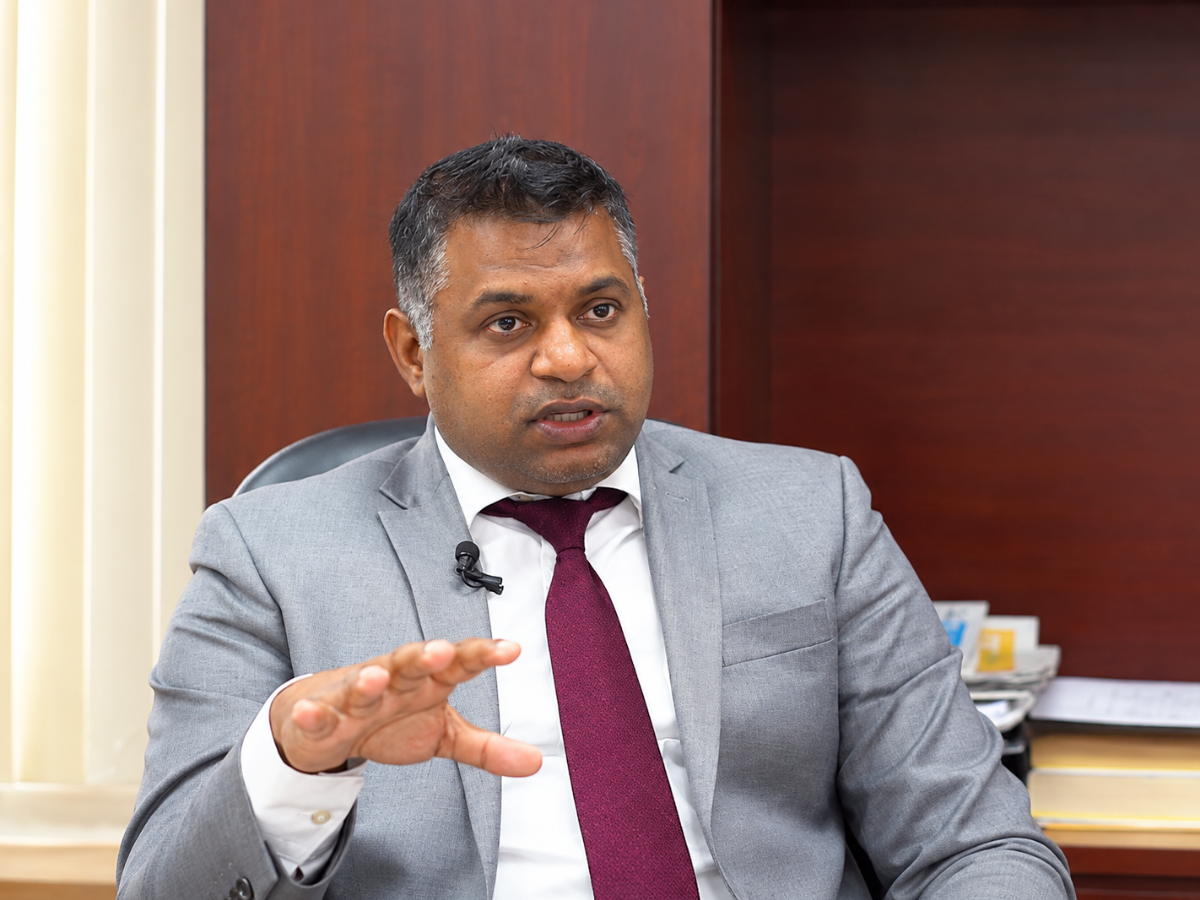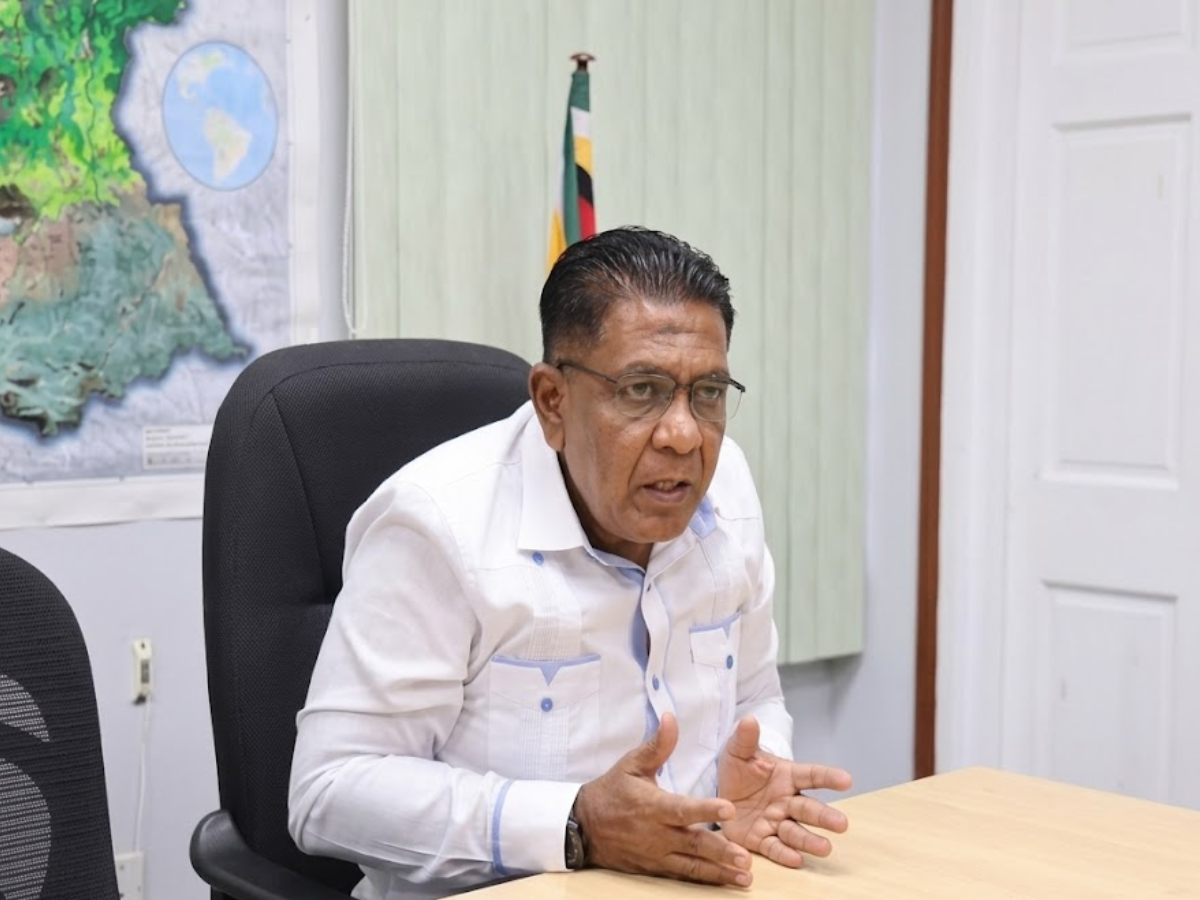
Construction of a $1.6 billion paddy drying and storage facility began at Onderneeming, on the Essequibo Coast in Region Two, with a sod-turning ceremony on 16 October 2026. Agriculture Minister Zulfikar Mustapha and Vikash Ramkissoon, the Minister within the Ministry of Agriculture, attended, together with regional officials. The government says the facility will cut spoilage after harvest and give farmers the option of storing their crop until prices improve.
The case for the project rests on regional figures given by Mr Mustapha. Region Two has about 36,000 acres under rice, around 16 per cent of the national total, and produces roughly 1.4 million bags of paddy per crop. It accounted for about 25 per cent of Guyana's rice exports in 2025. Milling capacity has not kept pace. The region's eight mills can take about 30,000 bags a day, which leaves farmers exposed to delays when harvesting peaks. About 16,000 bags of paddy, valued at $64 million, spoiled during the first crop of 2025.
Price is the other concern. Mr Mustapha told the gathering that farmers on the coast regularly complain of receiving the lowest paddy prices in the country, and that peak-season capacity in the region cannot absorb the volume produced. He said farmers would be able to sell to a miller or bring their paddy to the facility and wait. He also said financing from the Guyana Development Bank should reduce the reliance of farmers on millers for credit.
The National Drainage and Irrigation Authority (NDIA) will oversee construction. Its chief executive, Lionel Wordsworth, said the facility will have three storage silos with a combined capacity of 10,000 tonnes and will handle about 500,000 additional bags of paddy per crop. The 10-acre site allows expansion to 20,000 tonnes through another row of silos. Two mechanical dryers will process 900 to 1,000 tonnes of paddy daily, supported by four wet bins, receiving silos, conveyors, elevators and cleaning equipment. Temperature monitoring and carbon dioxide controls are meant to preserve the paddy for between eight and 12 months, and a centrally monitored SCADA system will manage the equipment.
The civil works, covering foundations, access roads and buildings, went to 4N Hardware. Superbrick, a European company, will supply and install the engineering equipment. Mr Wordsworth said completion is scheduled within one year and that the agencies involved will work with the contractors to keep to the agreed specifications.
Mr Ramkissoon placed the project within the government's aim of lifting national rice production to one million tonnes by 2030. He said agricultural allocations have risen from about $18 billion in 2020 to $113 billion in 2026, and he listed fertiliser support and crop insurance among the measures meant to lower production costs. He said better storage combined with access to finance would give farmers more say over when they sell.
The Ministry expects further growth in the region. Rice acreage in Region Two is projected to reach about 40,000 acres, with output rising to 1.8 million bags per crop as yields improve from about 38 bags per acre to 45. Mr Mustapha said the facility will directly benefit between 1,400 and 1,500 farmers, although Ministry briefings before the ceremony put the figure at about 2,000. He added that storage is one part of wider development planned for the area. Narine Persaud, one of the farmers present, said growers would now be able to dry and store their paddy to seek better prices.